
United States-Iran diplomatic negotiations are defined by a transactional framework where economic sanctions relief and maritime security in the Strait of Hormuz are weighed against Iran’s nuclear program developments. While no comprehensive agreement is currently in place, the strategic leverage held by both Washington and Tehran remains centered on energy exports, international nuclear monitoring, and the lifting of economic restrictions.
The economic architecture of sanctions and reconstruction
The primary mechanism of U.S. foreign policy toward Tehran has long centered on the use of economic sanctions to limit the Iranian government’s access to global financial markets. According to the U.S. Department of the Treasury, these sanctions are designed to restrict Iran’s ability to fund regional activities and advance its nuclear capabilities. The effectiveness of this “maximum pressure” approach remains a subject of intense debate among policymakers in Washington.
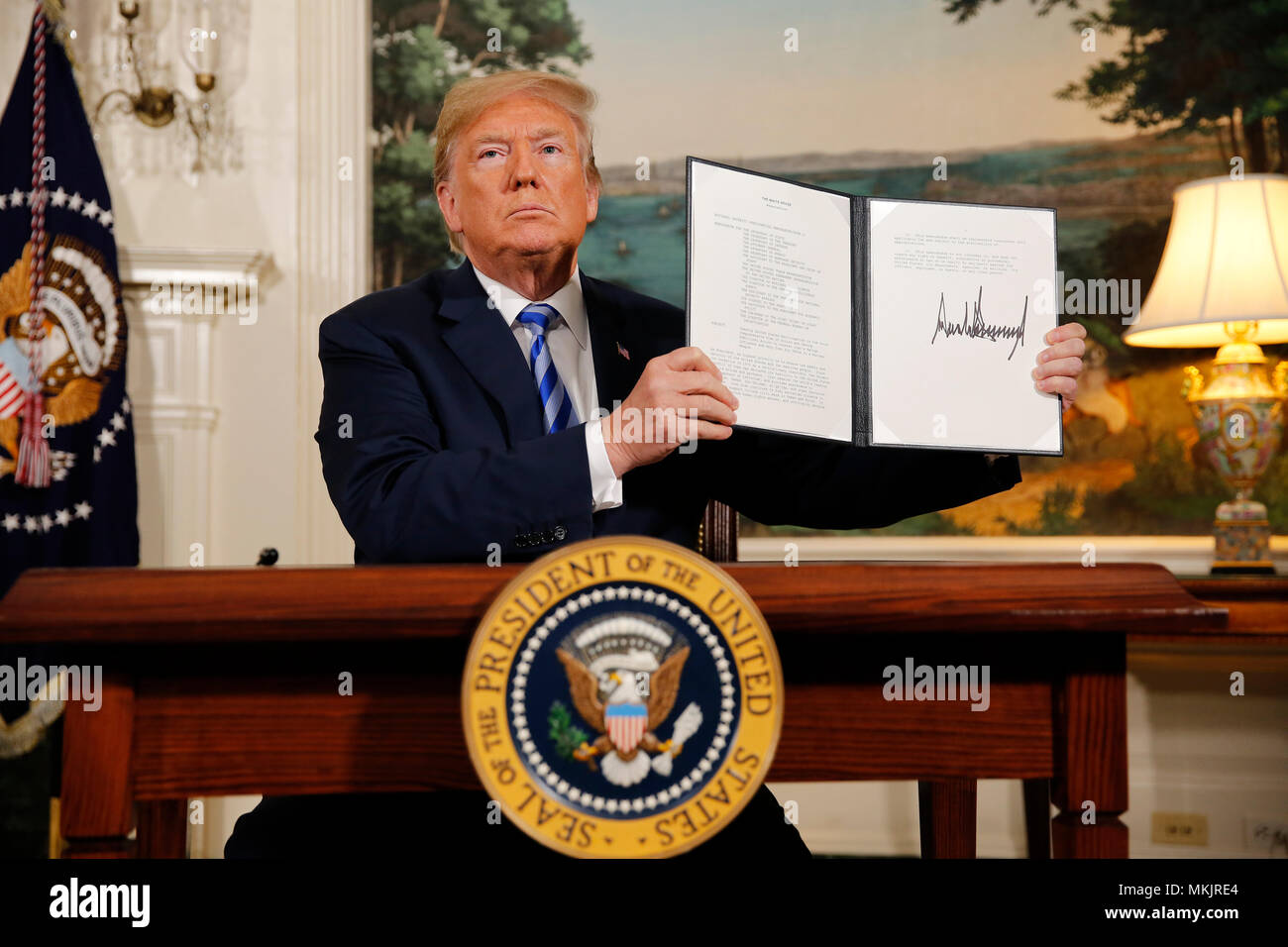
In any theoretical diplomatic rapprochement, the exchange of sanctions relief for nuclear concessions would likely involve several complex economic layers. These include the unfreezing of Iranian assets held in foreign banks and the issuance of export waivers that would allow Iran to sell its crude oil on the global market at higher prices. Such a shift would fundamentally alter the regional economy, potentially allowing for significant capital to flow into Iranian reconstruction and economic development projects.
However, the implementation of such relief is rarely immediate. Historically, as seen in the framework of the 2015 Joint Comprehensive Plan of Action (JCPOA), sanctions relief is typically contingent on verified compliance with specific nuclear restrictions. The challenge for negotiators lies in creating a “trust but verify” system that satisfies both the demand for Iranian economic stabilization and the U.S. requirement for long-term nuclear containment.
Maritime security and the Strait of Hormuz
Beyond direct economic transfers, the stability of the Strait of Hormuz represents a critical component of Middle East geopolitics. This narrow waterway, which connects the Persian Gulf to the Gulf of Oman, serves as a vital artery for global energy supplies. Industry analysts note that approximately 20% of the world’s total oil consumption passes through this strait daily.
The security of this shipping lane is a recurring flashpoint in U.S.-Iran relations. Tensions often escalate when maritime vessels face interference, leading to increased naval presence from international coalitions. For the United States, ensuring the free flow of commerce through the strait is a matter of global energy security and economic stability. For Iran, the ability to influence or restrict access to the strait serves as a significant strategic lever in negotiations with Western powers.
Any formal memorandum of understanding regarding regional peace would likely need to address maritime protocols to prevent accidental escalations. The risk of conflict in these waters remains a primary concern for international shipping companies and global commodity markets, as even brief disruptions can lead to immediate spikes in oil prices.
The nuclear deadlock and IAEA oversight
The core obstacle to a permanent diplomatic settlement remains the status of Iran’s nuclear program. The International Atomic Energy Agency (IAEA) is the primary body responsible for monitoring Iran’s nuclear activities and ensuring that enrichment levels remain within agreed-upon limits. Recent reports from the IAEA have highlighted the technical complexities of verifying compliance in an environment of heightened regional tension.
The “art of the deal” in this context involves a delicate balance between technical monitoring and political concessions. The United States and its allies seek guarantees that any economic incentives provided to Tehran will not be used to accelerate the development of a nuclear weapons program. Conversely, Tehran seeks the permanent removal of the sanctions regime that has stifled its domestic industry.
The path forward likely depends on whether negotiators can establish a framework that addresses both immediate security concerns and long-term economic needs. This would require a level of transparency and verification that has proven difficult to maintain in previous diplomatic cycles.
Comparing diplomatic strategies
The following table compares the two primary frameworks that have shaped U.S. policy toward Iran over the last decade:

| Feature | Maximum Pressure Strategy | Diplomatic Engagement Framework |
|---|---|---|
| Primary Tool | Economic and financial sanctions | Memorandums of Understanding (MOU) |
| Nuclear Goal | Complete cessation of enrichment | Strict monitoring and limits |
| Economic Impact | Isolation of Iranian energy markets | Sanctions relief and asset unfreezing |
| Key Risk | Regional escalation and maritime conflict | Incomplete verification of compliance |
The next significant checkpoint in this geopolitical landscape will be the upcoming session of the IAEA Board of Governors, where member states are expected to review recent inspection reports and discuss the future of monitoring protocols in the region.
What do you think about the current approach to Middle East diplomacy? Share your thoughts in the comments below and share this article with your network.
Keep reading