
The relationship between Silicon Valley’s most influential technology firms and the federal government has entered a period of heightened scrutiny following the inauguration of President Donald Trump on January 20, 2025. During the inaugural proceedings, executives from several major technology corporations were observed in prominent seating areas, a visual marker of the industry’s deepening integration with the incoming administration. This convergence of interests has sparked a renewed national debate regarding the role of media consolidation, the deployment of artificial intelligence, and the preservation of free speech in the digital age.
As the primary gatekeepers of modern communication, Big Tech platforms are currently facing a dual challenge: maintaining the infrastructure of global information while navigating increasing regulatory pressure regarding content moderation and algorithmic transparency. Scholars and industry analysts are examining whether the current structure of these platforms, which often prioritize engagement through proprietary AI, effectively restricts the diversity of discourse. According to the Federal Communications Commission (FCC), the agency continues to monitor how media consolidation impacts the public interest, though the rapid evolution of digital platforms often outpaces existing regulatory frameworks.
The Mechanics of Modern Media Consolidation
Media consolidation has concentrated the power to influence public discourse into the hands of a limited number of organizations. This trend is not merely a matter of business strategy; it is a structural change in how citizens access information. Research from the Federal Trade Commission (FTC) highlights that when a small number of firms control both the distribution channels and the advertising revenue, the competitive landscape for independent journalism and alternative viewpoints is significantly diminished.
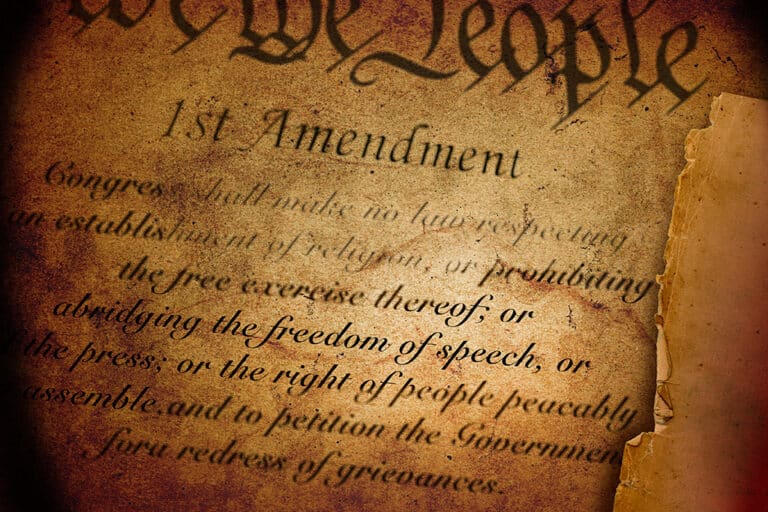
The impact of this consolidation is particularly visible in the social media ecosystem. By controlling the “airwaves”—or the digital equivalent—these firms possess the technical capacity to prioritize or suppress specific types of content. Academic experts, including those who have studied the history of free speech, argue that the rise of digital monopolies complicates the traditional application of First Amendment protections. Unlike public squares, private digital platforms operate under terms of service agreements that grant them broad discretion to moderate content, a practice that critics argue often lacks the transparency required for a functioning democracy.
Artificial Intelligence and the Future of Discourse
Artificial Intelligence (AI) has become a central component of content moderation and user experience, yet its role in shaping public opinion remains a subject of intense debate. Modern algorithms are designed to maximize user engagement, a metric that often favors emotionally charged or controversial content. This architectural choice, while profitable for platform operators, can inadvertently create “echo chambers” that stifle open dialogue.

According to reports from the National Institute of Standards and Technology (NIST), the lack of standardized testing for algorithmic bias makes it difficult for regulators to assess how AI models impact free speech. While industry leaders often characterize AI as a tool for liberating information, skeptics argue that the underlying code is inherently biased toward corporate interests. This tension is at the heart of current discussions regarding the need for federal oversight of AI development and the potential for legislative intervention to ensure that digital platforms remain open to diverse perspectives.
Historical Perspectives on Digital Freedom
To understand the current crisis in communication, many scholars look to the historical evolution of the concept of “free speech.” The intellectual history of the term reveals that it has always been a contested idea, often manipulated by those in power to serve specific political or economic goals. Historical analysis suggests that the current era of digital control is not entirely unprecedented, but rather a digital iteration of older struggles between centralized authority and individual expression.
Authors such as Fara Dabhoiwala, in his work What Is Free Speech?: The History of a Dangerous Idea, argue that the definition of free speech has shifted significantly over centuries. Similarly, Mary Anne Franks, author of Fearless Speech: Breaking Free from the First Amendment, posits that current legal interpretations of speech rights often ignore the reality of private sector power. These academic perspectives provide a critical lens through which to view the actions of Silicon Valley firms, suggesting that the “stranglehold” on communication is a product of both legal loopholes and market dominance.
What Happens Next for Tech Regulation
The path forward for tech regulation remains uncertain, as the legislative branch and the judiciary continue to weigh the balance between corporate autonomy and the public good. Several key areas remain under observation:

- Antitrust Investigations: The Department of Justice (DOJ) maintains ongoing litigation regarding the competitive practices of major technology firms, as detailed in recent filings on the Department of Justice Antitrust Division website.
- Algorithmic Transparency Bills: Several legislative proposals currently circulating in Congress aim to mandate greater transparency regarding how algorithms prioritize content.
- Judicial Rulings: Courts are increasingly asked to define the extent to which social media platforms can be held liable for the content they host or moderate, a legal area defined by Section 230 of the Communications Decency Act.
As these developments unfold, the public is encouraged to monitor official disclosures from the Library of Congress for updates on pending legislation and committee hearings. The intersection of corporate power and free speech is expected to be a dominant theme in economic policy discussions throughout the remainder of the year. Readers are invited to share their perspectives on this evolving issue in the comments section below.
Worth a look