Fifteen Years After the Tents Rose at Zuccotti Park
Fifteen years after tents first crowded Zuccotti Park to protest the fallout of the Great Recession, the legacy of Occupy Wall Street continues to shape modern political discourse, activism, and populist movements across the globe. According to retrospective reporting from The Nation, the movement launched in September 2011 when hundreds of activists descended on a small public space blocks away from Wall Street to challenge growing income inequality, government austerity measures, and economic injustice.
What began as a localized encampment quickly transformed into a global phenomenon. Driven by public anger at the financial institutions responsible for the Great Recession and widespread disappointment with the political response under President Barack Obama, the protest drew inspiration from international pro-democracy uprisings from Greece and Spain to Tahrir Square in Cairo, as noted by The Nation.
The Peak of the New York City Demonstrations
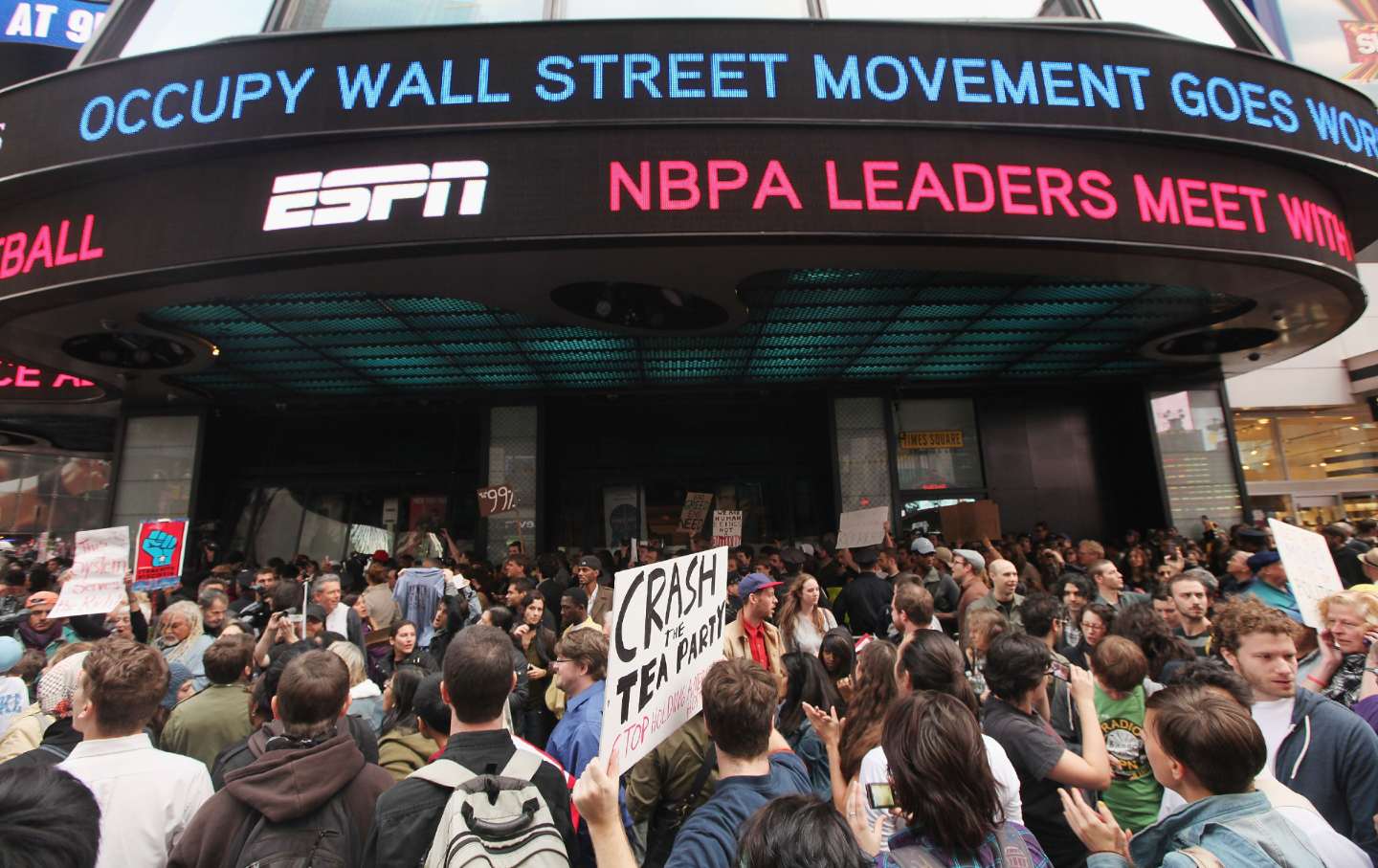
On October 15, 2011, thousands of demonstrators marched through the streets of New York City, shutting down bank entrances and culminating in rallies at Washington Square Park and Times Square. Observers noted that the demonstrations served as a testing ground for modern political organizing, giving voice to a multiracial working class frustrated by widening economic divides.
Inside the Autonomous Micro-Society
During its operation, Zuccotti Park functioned as a micro-society. Daily life in the encampment included continuous planning meetings, distribution of meals, musical performances, and drum circles. The Nation reports that these gatherings acted as a launching pad for a wave of subsequent social movements.
Structural Vulnerabilities and Tactical Legacies
The Ongoing Echo in Global Populism
As political movements continue to grapple with the politics of powerlessness and systemic reform, historians and analysts view the Zuccotti Park protests not merely as a historical moment, but as a cautionary tale and catalyst for twenty-first-century political engagement.
Worth a look