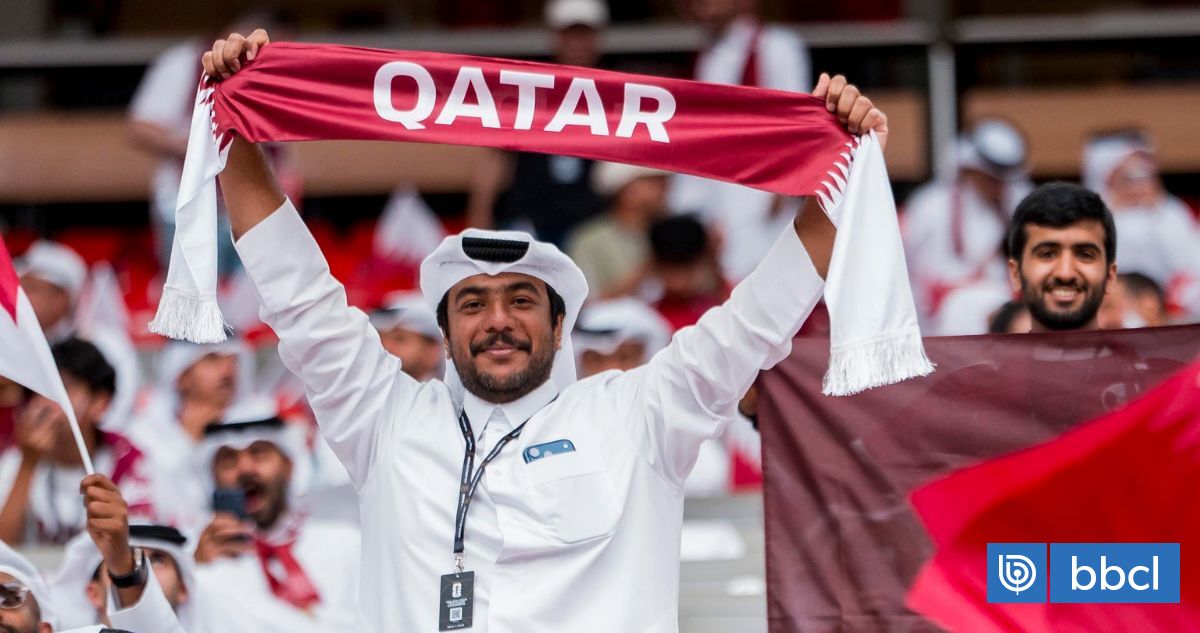
The government of Qatar implemented a fan-support program during the 2022 FIFA World Cup, providing select supporters with fully funded travel, accommodation, and match tickets to bolster the atmosphere in stadiums. This initiative, which involved bringing groups of fans from various participating nations to Doha, was managed directly by the Supreme Committee for Delivery and Legacy, the organization responsible for overseeing World Cup infrastructure and operations.
According to official statements from the Supreme Committee for Delivery and Legacy, the program—known as the “Fan Leader Network”—was designed to help organizers gather feedback and improve the event experience. While the committee maintained that participation was voluntary and unpaid, it confirmed that it covered the costs of airfare and hotels for these selected fans. This state-sponsored effort to ensure a vibrant crowd presence became a focal point of international media coverage during the tournament, raising questions about the authenticity of fan engagement in a host nation with limited historical experience in hosting large-scale global football events.
The Mechanics of the Fan Leader Program
The Fan Leader Network functioned as a centralized outreach effort aimed at creating a diverse and vocal presence in the stands. The Supreme Committee invited approximately 450 “fan leaders” from 59 countries to Doha, according to reports verified by Reuters. These individuals were tasked with facilitating social media promotion and encouraging other fans to participate in tournament activities.
In return for their collaboration, the organizers provided complimentary flights, high-end hotel accommodations, and daily stipends. The committee framed the program as a standard practice for large international sporting events, citing similar efforts in previous World Cups to engage local and international fan communities. However, the scale of this operation and the explicit nature of the financial support distinguished it from typical grassroots fan movements. Participants were asked to sign a code of conduct, which included requirements to post positive content about the tournament and to report any disparaging comments made by others on social media, as documented by BBC News.
Public Reception and Concerns Over Authenticity
The presence of organized, state-funded fan groups sparked widespread debate regarding the nature of “fan culture” in the context of the 2022 tournament. Critics and some international observers expressed skepticism about whether these groups represented a genuine cross-section of global football support or if they were merely an extension of the host nation’s public relations strategy. The Guardian reported that the move was perceived by some as an attempt to mitigate negative international sentiment surrounding the country’s human rights record and strict cultural regulations.
Despite these criticisms, the organizers maintained that the program was essential for the logistical success of the tournament. The committee argued that because Qatar lacked a deep-seated tradition of traveling “away” fans for international matches, the program allowed them to import the necessary energy and excitement typical of a World Cup atmosphere. By providing the financial backing, the committee ensured that specific sections of the stadiums remained filled with supporters who were visually and audibly committed to the tournament’s success.
Broader Context: Government-Backed Sports Diplomacy
The use of financial incentives to influence the perception of a sporting event is not unique to the 2022 World Cup, but the transparency—and subsequent controversy—of the Qatar initiative highlights the evolving landscape of sports diplomacy. Countries hosting major international events often use such programs to project a specific image of national hospitality and organizational capability. The FIFA regulations for the tournament did not explicitly prohibit the funding of fans, provided that the arrangements did not violate ethical guidelines regarding match-fixing or bribery, which are distinct from promotional support.
For future hosts, the legacy of the Qatar fan program serves as a case study in the tension between curated event management and organic spectator participation. As the sports industry continues to move toward more globalized, high-budget event structures, the role of government-funded support networks is likely to remain a subject of scrutiny by journalists, governing bodies, and the public alike.
The next major milestone for international football governance will be the preparation for the 2026 FIFA World Cup, which will be co-hosted by the United States, Canada, and Mexico. Organizations continue to monitor how fan engagement strategies evolve in these diverse regions. We encourage our readers to share their thoughts on the role of government-sponsored fan programs in the comments section below.