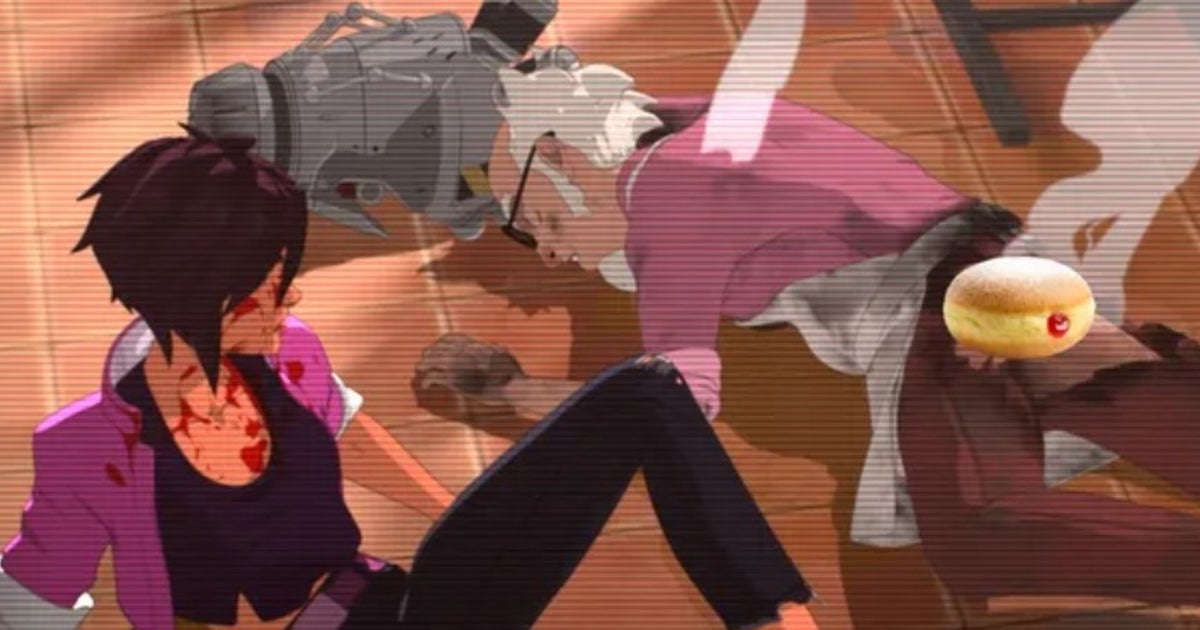
Developer AdHoc Studio has released a new update for its superhero-themed workplace comedy game, Dispatch, which includes specific modifications to comply with Nintendo’s content guidelines for the Switch platform. The update, jokingly titled the “HR Violations” patch, addresses previous instances where the game’s visual content conflicted with platform-holder mandates regarding depictions of adult or suggestive themes.
The patch introduces several visual changes, most notably replacing a previously problematic anatomical asset with a graphic of an “oozing jam donut.” This adjustment follows reports that Nintendo’s internal quality assurance and submission requirements—often referred to by developers as stringent content policies—required the removal or alteration of specific character models to maintain the console’s age rating compliance, according to statements released by the studio.
As the Entertainment Editor at World Today Journal, I have followed how independent studios navigate the often opaque submission process for the Nintendo Switch. While Nintendo does not publicly disclose every granular detail of its parental controls and content rating guidelines, the company maintains a clear policy requiring software to align with the ESRB and PEGI ratings assigned to the platform. For developers, these “mandates” are essentially the cost of entry for reaching the Switch’s massive install base, which surpassed 143 million units sold globally as of the most recent Nintendo corporate financial data.
Understanding Nintendo’s Content Submission Standards
The “HR Violations” update highlights a long-standing point of friction between indie developers and console manufacturers. When a game like Dispatch—which relies on a crude, irreverent tone—is ported to a platform known for its family-friendly branding, developers frequently find themselves performing a “balancing act.” This involves preserving the creative vision of the project while satisfying the platform holder’s ESRB content rating expectations.

In the case of Dispatch, the developers opted for a humorous approach to censorship. By replacing a phallic-shaped asset with a jam donut, AdHoc Studio turned a potential compliance hurdle into a meta-commentary on the nature of game development. This strategy is not uncommon; developers often use “patch notes” as a venue to communicate frustration or humor when forced to alter their work for console compliance.
The Impact of Platform Policies on Indie Development
For independent developers, the process of porting a title often requires significant technical and artistic labor. According to the Nintendo Developer Portal, all software must pass a series of “Lotcheck” procedures before it can be released on the eShop. These checks are designed to ensure technical stability, but they also serve as a final gatekeeper for content appropriateness.

The “HR Violations” patch serves as a reminder of the power dynamics in the digital storefront ecosystem. While the Switch offers a vast audience, the rules governing what can appear on that screen are set exclusively by the platform holder. When a studio like AdHoc faces these requirements, they generally have two choices: remove the content entirely or replace it with something that satisfies the reviewer. In this instance, the “jam donut” solution allowed the game to proceed to certification without delaying the release.
Why Creative Compromise Matters for Consumers
Readers often ask why these changes occur long after a game has been released on other platforms like PC. The disparity usually comes down to the “walled garden” approach of console manufacturers. Unlike open platforms such as Steam, where developers have more leeway with mature or provocative content, the Nintendo Switch parental control ecosystem is designed to ensure that a parent knows exactly what their child is playing based on the rating on the box—or the digital icon.

This update does not change the core mechanics of Dispatch, but it does illustrate the reality of the modern games industry. Developers must constantly weigh the benefits of a console port against the time and resources required to meet these specific, often subjective, content mandates. For the players, it represents a minor, albeit humorous, deviation from the original artistic intent.
The studio has not announced further changes at this time, though the “HR Violations” patch is currently live for all Switch users. The next checkpoint for the game will likely involve standard post-launch support and any potential bug fixes as reported by the community. We encourage our readers to share their thoughts on how platform-specific censorship affects their gaming experience in the comments section below.
Related reading