
Israeli Prime Minister Benjamin Netanyahu has signaled that his government will prioritize its security objectives in Lebanon regardless of any potential memoranda of understanding (MoU) between the United States and Iran. Following recent regional discussions involving President-elect Donald Trump, reports indicate that Israel maintains a firm stance on its military operations in Southern Lebanon, rejecting calls for an immediate withdrawal of forces from the border region.
The tension surrounding regional security agreements comes as the incoming Trump administration has expressed a desire for a comprehensive ceasefire across the Middle East. According to reporting from Reuters, Israel has continued to strike targets in Lebanon following a ceasefire agreement that took effect in late November 2024, citing ongoing violations by Hezbollah. The Israeli military maintains that it reserves the right to act against threats to its sovereignty, effectively distancing its operational strategy from broader diplomatic efforts involving Tehran.
The Stance on Southern Lebanon Operations
Prime Minister Benjamin Netanyahu has repeatedly stated that Israel will not retreat from Southern Lebanon until its security goals are met. These goals include the permanent removal of Hezbollah combatants from the areas adjacent to the Israeli border, a condition Israel argues is necessary to ensure the safe return of displaced citizens to northern communities. As noted by the Times of Israel, the Israeli cabinet has authorized military action in response to any breach of the current cessation of hostilities, positioning the Israel Defense Forces (IDF) to maintain a persistent presence in the south.

This approach stands in contrast to the diplomatic push for a full-scale regional de-escalation favored by various international stakeholders. While the United States has historically sought to influence regional stability through direct and indirect channels with Iran, the current Israeli government has signaled that its military decisions are guided by internal security requirements rather than external diplomatic frameworks. The complexity of these regional dynamics is further compounded by the ongoing conflict in Gaza, which continues to influence the strategic calculations of both Israeli and Iranian leadership.
Regional Security and US Foreign Policy
The incoming administration in Washington has signaled an intent to reshape U.S. involvement in the Middle East. President-elect Donald Trump has frequently characterized his support for Israel as a cornerstone of his foreign policy, asserting that his administration would ensure the nation’s security through “maximum pressure” tactics. However, the specific mechanisms for achieving a “comprehensive ceasefire” remain under scrutiny by regional analysts.
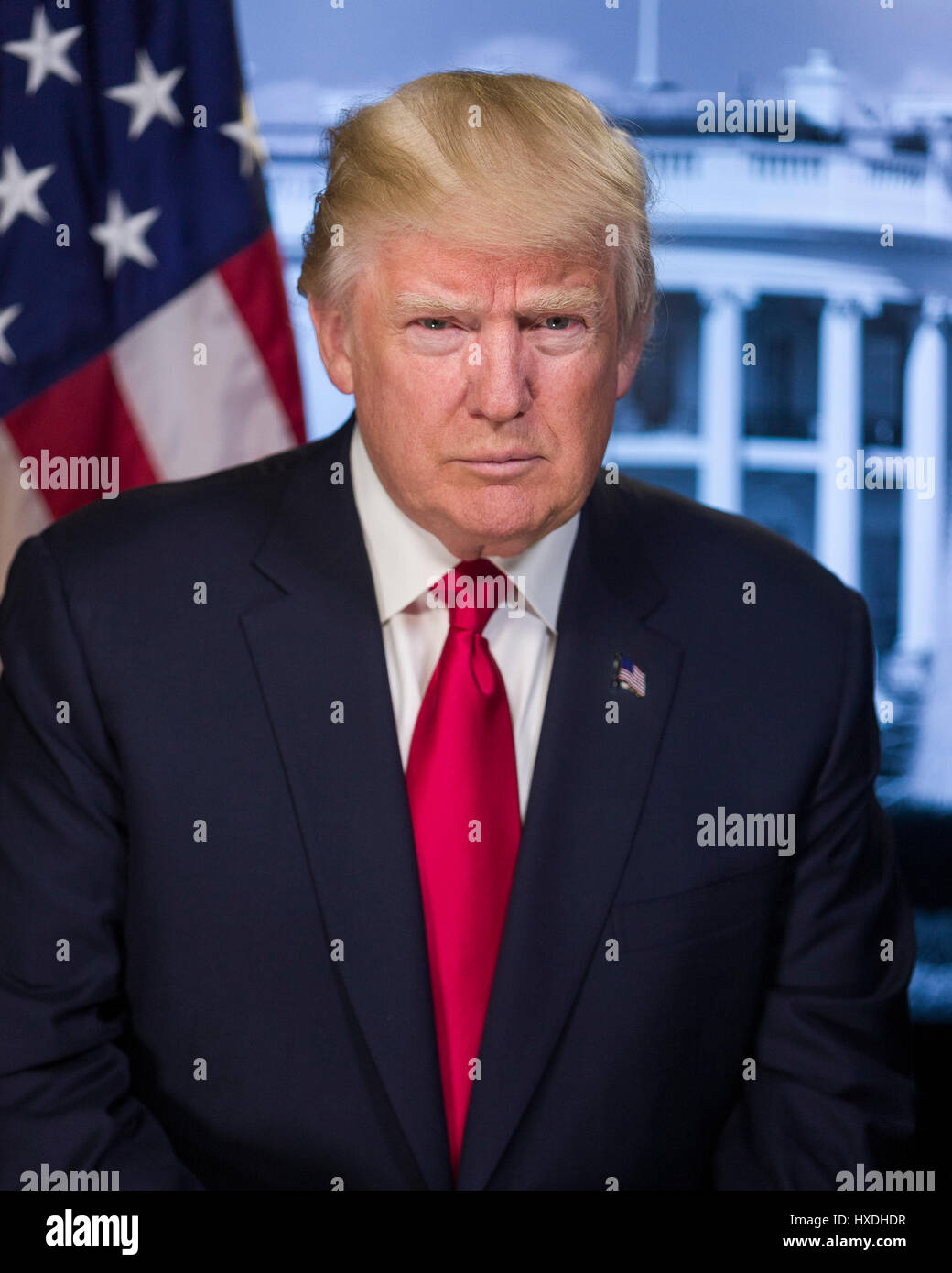
According to The Associated Press, the transition team has not yet finalized a formal policy regarding the potential for a U.S.-Iran memorandum of understanding. The ambiguity surrounding these potential diplomatic paths has created a gap between Washington’s desire for regional stability and Israel’s tactical focus on the Lebanese front. Israeli officials have frequently emphasized that they will not be bound by international agreements that they perceive as undermining their ability to neutralize immediate threats.
Understanding the Strategic Divergence
To understand the current friction, it is necessary to examine the divergent objectives of the involved parties:
- Israel: Focuses on the tactical neutralization of Hezbollah’s infrastructure in Southern Lebanon and the enforcement of the UN Security Council Resolution 1701, which calls for the disarmament of non-state armed groups in the region.
- United States (Incoming Administration): Prioritizes a broader regional stability objective, aiming to reduce the intensity of conflicts that necessitate U.S. military or financial intervention.
- Iran: Continues to support regional proxies as part of its “Axis of Resistance,” maintaining a strategic posture that challenges Israeli and Western influence in the Levant.
The disagreement over whether to prioritize local security mandates over broader diplomatic frameworks highlights the challenges the incoming U.S. administration will face. As reported by The Wall Street Journal, the fragility of the current ceasefire in Lebanon is underscored by daily reports of small-scale skirmishes and accusations of non-compliance from both the IDF and local factions.
What Happens Next
The next critical checkpoint for these developments is the formal inauguration of the new U.S. administration in January 2025. Observers are monitoring whether the incoming cabinet will attempt to reconcile the conflicting demands of its regional allies or whether the current pattern of localized military action will continue to define the reality on the ground in Lebanon. For updates on military movements and official government statements, readers are encouraged to monitor the official briefings provided by the Israel Defense Forces and the U.S. Department of State.

This situation remains fluid, and the impact of these diplomatic shifts on the Lebanese-Israeli border will be a key indicator of regional stability in the coming months. We invite readers to share their perspectives and stay informed by following our ongoing coverage of Middle Eastern geopolitics.