
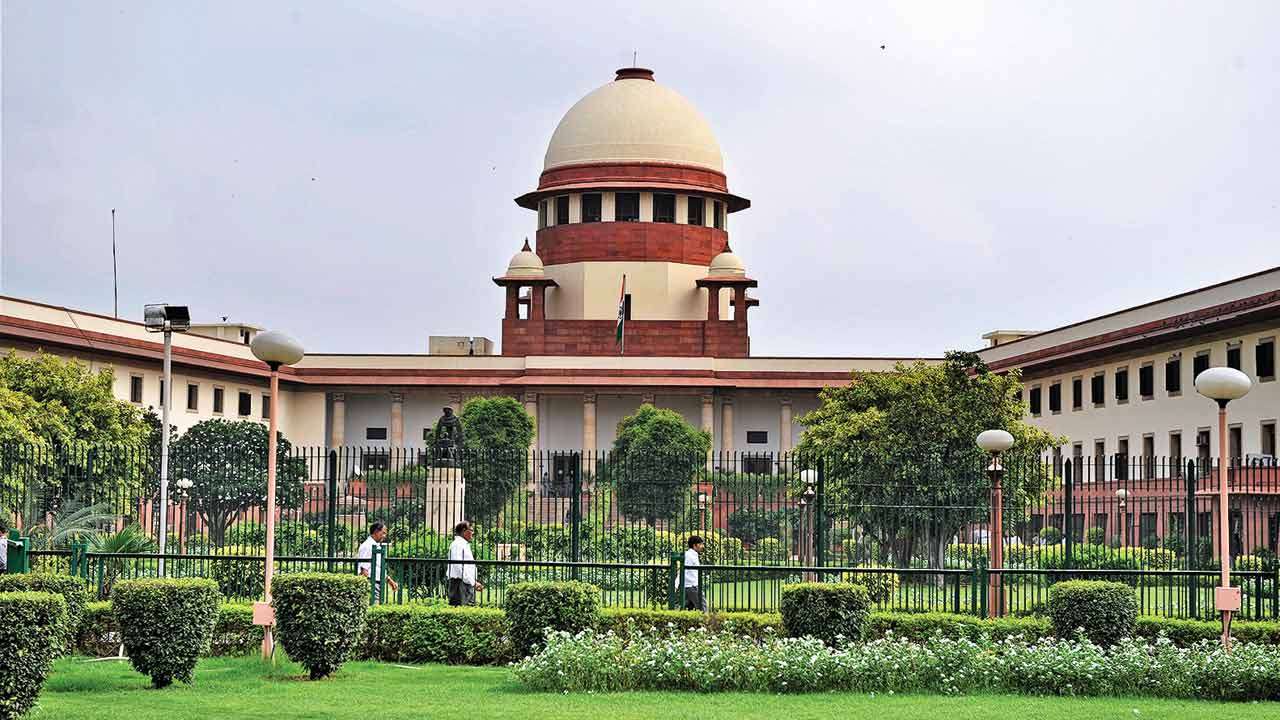
The Supreme Court of India has issued formal notices to the Union of India and all state governments, mandating a response regarding the provision of basic infrastructure for female legal practitioners in court complexes nationwide. A bench led by Chief Justice of India D.Y. Chandrachud initiated the proceedings following a public interest litigation (PIL) that highlights the systemic lack of essential facilities, including dedicated bar rooms, clean restrooms, and changing rooms, which currently hampers the professional environment for women in the judiciary.
This judicial intervention, reported by The Hindu, underscores an ongoing effort to address gender-based inequities within the legal system. The petition argues that the absence of these fundamental amenities constitutes a violation of the right to equality and the right to practice a profession under the Constitution of India. By seeking responses from both central and state authorities, the court aims to establish a standardized framework for infrastructure development across all district and subordinate courts.
Addressing Systemic Infrastructure Gaps
The petition brought before the apex court emphasizes that while the number of women entering the legal profession has risen significantly over the past two decades, the physical infrastructure of courtrooms has failed to keep pace. According to data cited by the Bar and Bench, many court complexes remain devoid of gender-neutral or female-specific facilities, effectively creating a barrier to entry and retention for women practitioners. The plea specifically demands the construction of secure changing rooms, hygienic sanitation facilities, and designated spaces for nursing mothers, which are currently absent in a vast majority of lower court buildings.
Legal experts observe that such infrastructure deficiencies are not merely logistical inconveniences but act as a deterrent for women who must manage professional demands alongside caregiving responsibilities. The Supreme Court’s decision to issue notices to all state governments signifies a shift toward treating these facilities as a mandatory right rather than an optional amenity. The court has requested a detailed status report from the states, detailing current facilities and timelines for future improvements.
Constitutional Mandates and Gender Equality
The core of the legal argument rests on Article 14 (Right to Equality) and Article 19(1)(g) (Right to practice any profession) of the Indian Constitution. By failing to provide a safe and dignified workspace, the state, as the primary provider of court infrastructure, is accused of failing to ensure an environment conducive to equal participation. As noted by the LiveLaw reporting on the hearing, the bench expressed concern over the disparity between the growing influx of women into the bar and the stagnant state of judicial facilities.

This action aligns with broader initiatives led by the current Supreme Court administration to modernize court complexes. Previous directives have emphasized the need for “justice-friendly” architecture that accommodates persons with disabilities and women. The current petition expands this scope, demanding a nationwide audit of court buildings to ensure compliance with basic hygiene and safety standards, as outlined in the Court Infrastructure Development guidelines issued by the Department of Justice.
What Happens Next: Accountability and Compliance
The Union of India and the respective state governments have been given a window to file their responses regarding the current availability of facilities. The Supreme Court’s order mandates that state governments provide a comprehensive account of the funds allocated for court infrastructure and the specific provisions made for women lawyers. This process is expected to culminate in a series of hearings where the court will evaluate whether the existing infrastructure meets the minimum requirements for a modern, inclusive legal workspace.
The next checkpoint in this matter will be the submission of affidavits by the respondent states. These documents will serve as the evidentiary basis for the court to determine whether further directives—such as specific budget earmarking or mandatory construction deadlines—are necessary. For many women lawyers practicing in rural and semi-urban districts, this legal challenge represents a significant step toward professional equity. Stakeholders are encouraged to monitor the official Supreme Court of India case status portal for updates on upcoming hearing dates and subsequent orders in this ongoing matter.