
The demand for specialized B2B communication strategies has led to an increase in recruitment for roles focused on Sales Consultant Messenger Marketing. Companies are increasingly seeking professionals who can bridge the gap between automated customer service tools and personalized sales outreach. As businesses shift away from traditional email-heavy funnels, the integration of platforms like WhatsApp, Telegram, and Facebook Messenger into professional sales cycles has become a priority for organizations looking to improve conversion rates and customer engagement.
For professionals in the interim and freelance space, this transition represents a significant shift in how digital marketing services are packaged and sold. According to industry reports on digital transformation, B2B companies are prioritizing conversational commerce to reduce friction in the buyer’s journey. This evolution requires consultants who understand both the technical implementation of messenger APIs and the nuanced psychology of high-stakes business-to-business negotiation.
Understanding the Role of a Messenger Marketing Consultant
A Sales Consultant specializing in Messenger Marketing serves as a strategic architect for a company’s communication infrastructure. Unlike traditional social media marketing, which focuses on broad brand awareness, messenger marketing is inherently direct. Professionals in this field must be adept at designing automated workflows—often using chatbots or CRM integrations—that qualify leads in real-time. The goal is to move potential clients through the sales funnel without losing the “human touch” that is essential in B2B transactions.

Key responsibilities for these consultants typically include auditing current lead generation processes, selecting the appropriate messaging platforms based on target demographic usage, and ensuring compliance with data privacy regulations such as the General Data Protection Regulation (GDPR) in Europe or the California Consumer Privacy Act (CCPA) in the United States. Compliance is a critical pillar of this role, as the European Data Protection Board has issued specific guidelines regarding the processing of personal data within automated messaging systems, which can be reviewed in their official guidance documentation.
The Rise of Interim and Freelance Tech Projects
The preference for interim and freelance talent in the messenger marketing sector is driven by the rapid pace of technological change. Because messaging platforms update their APIs frequently, businesses often find it more efficient to hire external consultants who specialize in these specific tools rather than training internal staff. This “project-based” approach allows companies to implement sophisticated marketing automation without the long-term overhead of a full-time hire.

For freelancers, the current market environment offers opportunities to work across diverse industries, from SaaS providers to manufacturing firms. Successful consultants often build their personal brand by demonstrating a track record of measurable outcomes—such as increased lead-to-opportunity conversion rates or reduced response times. The ability to provide case studies that quantify these improvements is a decisive factor in securing high-value contracts, according to insights from the McKinsey Global Institute’s research on the future of work.
Strategies for Professional Positioning
Professionals looking to enter or advance in this field should focus on developing a hybrid skill set. Technical proficiency with tools like ManyChat, HubSpot, or Salesforce is essential, but it must be paired with strong consultative skills. In the B2B space, messenger marketing is not just about sending messages; it is about managing a pipeline. Consultants who can demonstrate an understanding of the entire sales cycle—from initial outreach to final contract signature—are consistently more sought after in the freelance market.
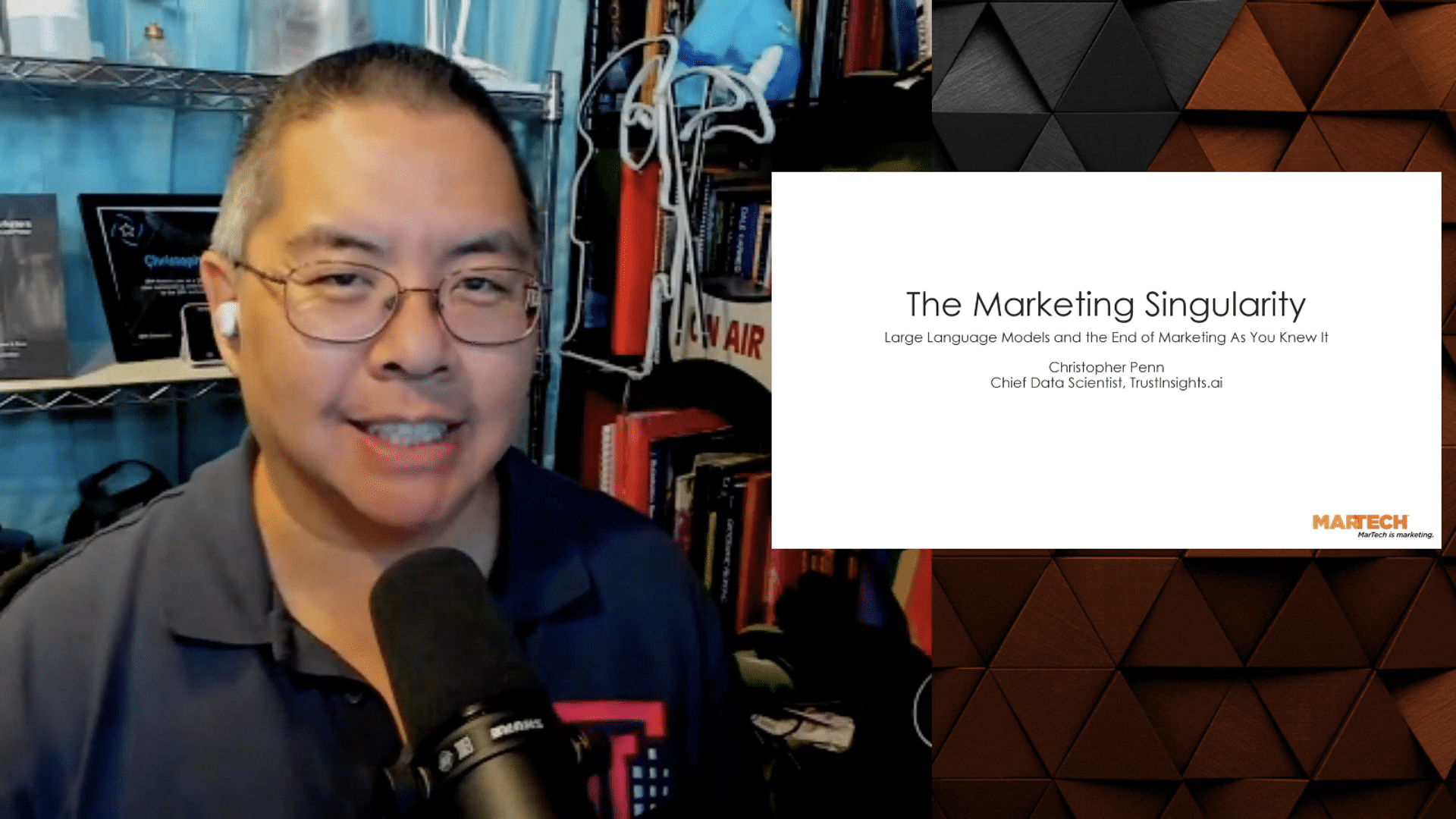
Furthermore, as AI continues to integrate into messaging platforms, the role is evolving toward “AI-enhanced communication.” This means consultants are now expected to manage Large Language Models (LLMs) that can handle increasingly complex customer queries. Understanding how to prompt these models to maintain a brand’s tone of voice is becoming a high-demand skill. The National Institute of Standards and Technology (NIST) provides a framework for managing the risks associated with such AI deployments, which serves as a valuable resource for consultants advising corporate clients on safety and transparency.
The Future of B2B Conversational Commerce
Looking ahead, the integration of messenger marketing into the broader B2B ecosystem is expected to accelerate. As buyers become more accustomed to instant, mobile-first communication in their personal lives, they are increasingly expecting the same efficiency in their professional interactions. This trend suggests that the role of the Sales Consultant will continue to shift from “outreach specialist” to “customer experience architect.”

For those interested in tracking the evolution of these professional standards, industry bodies such as the Interactive Advertising Bureau (IAB) regularly publish updates on digital marketing trends and standards. Staying informed about these shifts is vital for any consultant aiming to remain competitive in an increasingly automated landscape. As these technologies continue to mature, the focus will likely remain on balancing the efficiency of automation with the necessity of authentic, expert-led human connection in B2B sales.
The next major industry update regarding digital marketing standards is expected to be released during the upcoming quarterly review cycle. Readers are encouraged to share their experiences with messenger marketing tools in the comments section below to contribute to our ongoing coverage of this rapidly shifting sector.