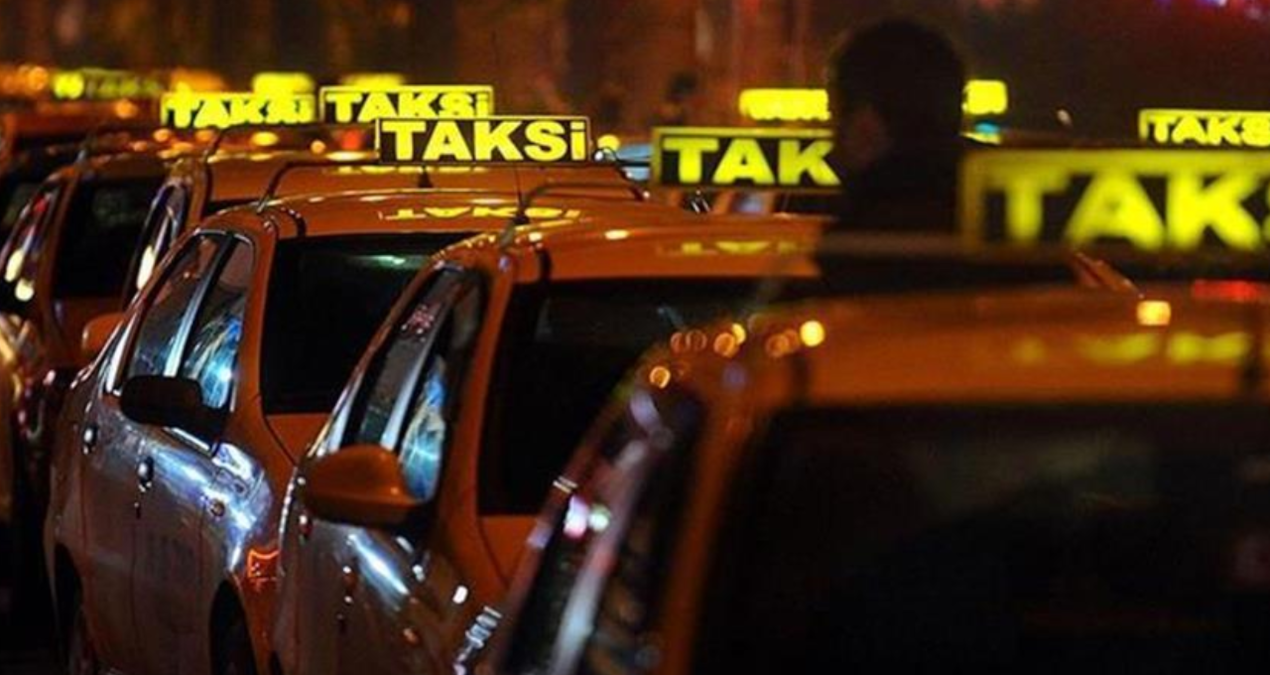
Istanbul’s municipal transport authorities are moving toward a new regulatory framework for the city’s taxi industry, widely referred to as the “Singapore model,” aimed at improving service standards and digital integration. The transition, which seeks to address long-standing complaints regarding passenger satisfaction and vehicle quality, marks a significant shift in how commercial transport is monitored within Turkey’s most populous city. According to officials from the Istanbul Taxi Drivers Tradesmen Chamber (İTEO), the initiative is part of a broader strategy to modernize the fleet and unify service protocols under a structured digital management system.
The core of this transition centers on the “Sarı Hat” (Yellow Line) application, a digital platform designed to oversee taxi operations, driver performance, and vehicle compliance. By adopting elements of the Singaporean regulatory system—known for its strict licensing, high vehicle standards, and integrated dispatch technology—the Istanbul Metropolitan Municipality (İBB) intends to reduce service disputes and improve the reliability of the city’s taxi network. The implementation of this model follows persistent calls from the chamber for a more standardized approach to the city’s 18,000-plus licensed taxis.
Understanding the Singapore Model in Istanbul
The “Singapore model” is characterized by a centralized, data-driven approach to urban transit. In the context of Istanbul, this involves the mandatory installation of advanced digital interfaces that allow municipal authorities to monitor routes, fare transparency, and driver behavior in real-time. The primary objective is to eliminate illegal practices such as fare manipulation, refusal to pick up passengers on short routes, and the use of aging, poorly maintained vehicles.
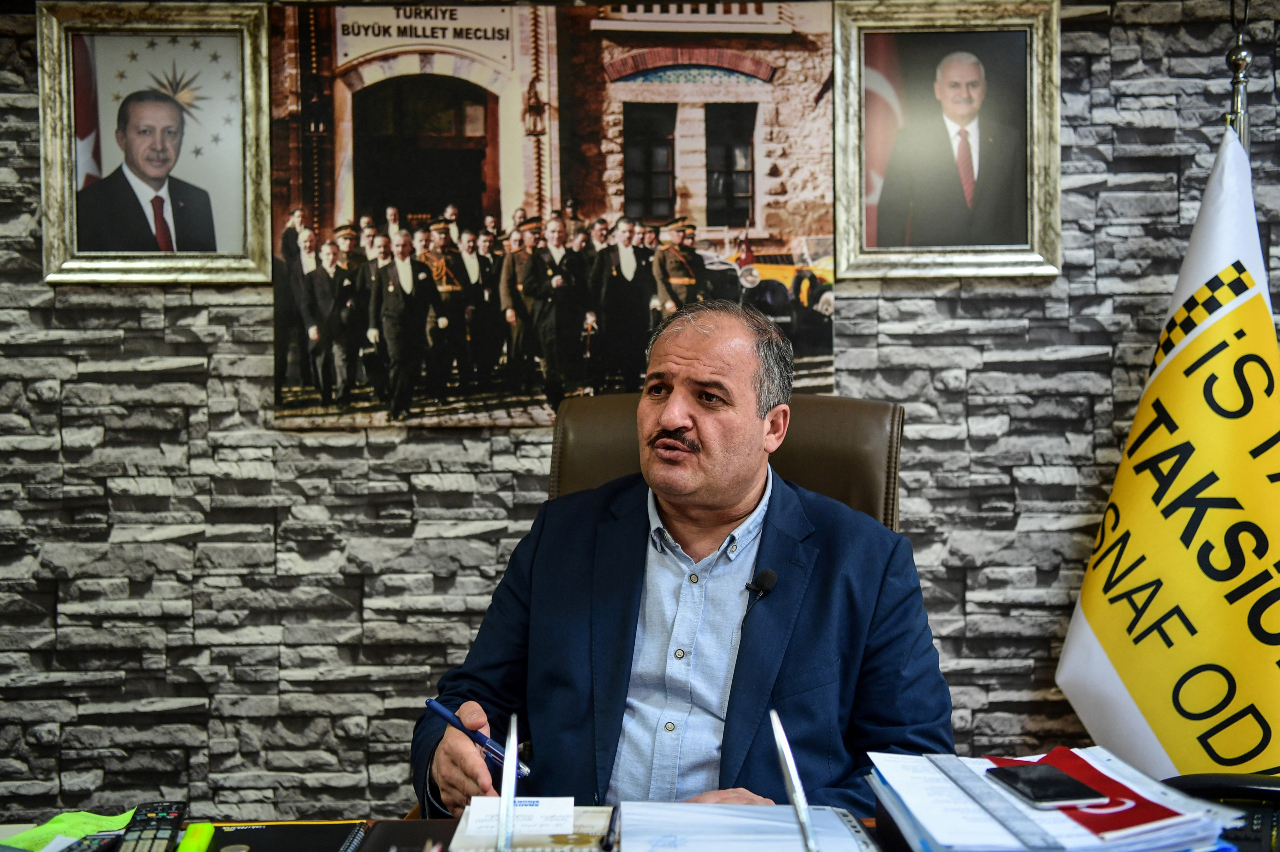
The Istanbul Taxi Drivers Tradesmen Chamber (İTEO), led by president Yaşar Dalcı, has emphasized that this digital transformation is not merely about surveillance but also about creating a sustainable business environment for drivers. By streamlining the dispatch process and enforcing a “Yellow Line” standard, the municipality aims to ensure that every taxi operates within a predictable, regulated framework that protects both the driver and the passenger. Official updates regarding the technical specifications of these systems are managed through the Istanbul Transportation Coordination Center (UKOME), which holds the legal authority to mandate changes to commercial vehicle requirements.
Demands for Domestic Vehicle Production
A significant component of the industry’s push for modernization involves the fleet itself. Istanbul taxi drivers have increasingly called for the adoption of domestically produced vehicles, specifically citing the Togg, Turkey’s first indigenous electric vehicle brand. The argument presented by the trade chambers is twofold: supporting the local automotive industry while simultaneously lowering the high operational costs associated with maintaining older, combustion-engine vehicles.
According to discussions held between industry representatives and stakeholders, the integration of electric vehicles like the Togg could align with the city’s broader environmental goals. However, the transition remains contingent on the development of affordable, high-capacity models specifically tailored for commercial taxi use. While the desire for a “national vehicle” for the taxi fleet is strong, the Togg manufacturing consortium has not yet released a commercial-specific variant optimized for high-mileage urban taxi service, leaving the industry to rely on current import-heavy fleet options until a viable domestic alternative is mass-produced.
The Impact of the Yellow Line Implementation
The “Sarı Hat” application serves as the operational bridge between the driver and the regulatory authority. Passengers in Istanbul are expected to benefit from features that allow for better trip tracking and digitized payment methods. For the drivers, the system is intended to provide a cleaner audit trail in the event of disputes. This focus on “digital transformation” is part of a larger, ongoing effort by the Istanbul Metropolitan Municipality to synchronize various modes of public transport under a single digital umbrella.
The effectiveness of this model will be measured by the reduction in public complaints filed through the e-Devlet (e-Government) gateway, which tracks municipal service performance. While the infrastructure is being deployed, the transition period remains a subject of ongoing negotiation between the chamber, the municipality, and the drivers themselves. The ultimate goal remains the creation of a system where vehicle quality and driver conduct are standardized across the entire metropolitan area.
Next Steps for the Taxi Industry
The next major checkpoint for this initiative will be the upcoming UKOME board meeting, where officials are expected to review the adoption rates of the “Sarı Hat” system and discuss potential subsidies or tax incentives for drivers upgrading their vehicles. Further announcements regarding the timeline for full mandatory compliance are expected to be published on the official Istanbul Metropolitan Municipality website in the coming months.
As the city navigates this transformation, the balance between technological regulation and the economic realities of the taxi trade will continue to be a primary focus for local government. Readers are encouraged to monitor official municipal press releases for updates on the rollout schedule. Please share your thoughts in the comments section below regarding how these digital changes might affect your daily commute in Istanbul.
Keep reading
- Kim Jong Un’s Sister Accuses Japan of Becoming “Bellicose State
- One Night Only Is a Preposterous, Delightful Romantic Comedy About Love in a Dystopian New York
- National Day 2026 Singapore: Events, Fireworks & Celebrations Guide (archyde.com)
- Istanbul Disaster Resilience & Infrastructure Project: ADB Funding Opportunity (archynewsy.com)