
Saint-Gobain is recalibrating its global supply chain strategy as geopolitical instability in the Red Sea and the Strait of Hormuz creates more significant operational volatility than its exposure in the Asia-Pacific region. While the French construction materials giant maintains a roughly 11% revenue share from the Asia-Pacific market, the company has signaled that current maritime security concerns in the Middle East present a more immediate challenge to its logistics and freight costs, according to financial disclosures and recent market analyses.
The company, which specializes in high-performance materials and building solutions, reported in its 2023 Universal Registration Document that its operations are increasingly sensitive to global trade route disruptions. As international shipping firms divert vessels away from the Red Sea to avoid security threats, the resulting delays and increased insurance premiums are impacting the cost structure of global industrial conglomerates. For Saint-Gobain, these logistical hurdles have become a more pressing boardroom topic than its regional growth targets in Asia.
Evaluating the Asia-Pacific Revenue Contribution
The Asia-Pacific region remains a cornerstone of Saint-Gobain’s long-term growth strategy, accounting for approximately 11% of the group’s total annual sales. This figure is consistent with the firm’s consolidated financial statements, which detail a diversified geographical footprint. Despite the focus on this market, the group’s management has indicated that the region’s contribution is stable and less prone to the sudden, explosive cost increases currently associated with the maritime bottlenecks in the Middle East.

The company’s ability to navigate these regional complexities depends on its “local-for-local” manufacturing model. By producing materials close to the markets where they are sold, Saint-Gobain significantly reduces its reliance on long-haul maritime routes. This strategy acts as a natural hedge against the volatility currently plaguing the Strait of Hormuz, where many European manufacturers remain highly exposed to energy and raw material transit risks.
Maritime Security and Global Freight Costs
The primary risk to Saint-Gobain’s margins is not the performance of its Asian subsidiaries, but the rising cost of global shipping. According to data from the United Nations Conference on Trade and Development (UNCTAD), disruptions in key maritime chokepoints contribute to inflationary pressure on industrial inputs. For a company like Saint-Gobain, which relies on the steady movement of raw materials, the instability in the Red Sea forces a reliance on alternative, more expensive freight solutions.

While the firm manages its 11% Asia-Pacific revenue stream through localized supply chains, the broader global logistical network is less flexible. The cost of container shipping has fluctuated significantly since late 2023, as highlighted in reports from the International Monetary Fund regarding global supply chain pressures. Saint-Gobain’s management continues to monitor these freight indices closely to adjust pricing strategies and maintain its operating margin, which stood at 11.2% in 2023.
Strategic Mitigation and Future Outlook
Saint-Gobain has prioritized the strengthening of its regional industrial hubs to isolate its operations from geopolitical shocks. By shifting production closer to end-users in Asia, the company effectively mitigates the risks associated with the Strait of Hormuz, which primarily affects the transit of energy products and components into Europe. This decentralization is a core component of the firm’s “Grow & Impact” strategic plan.
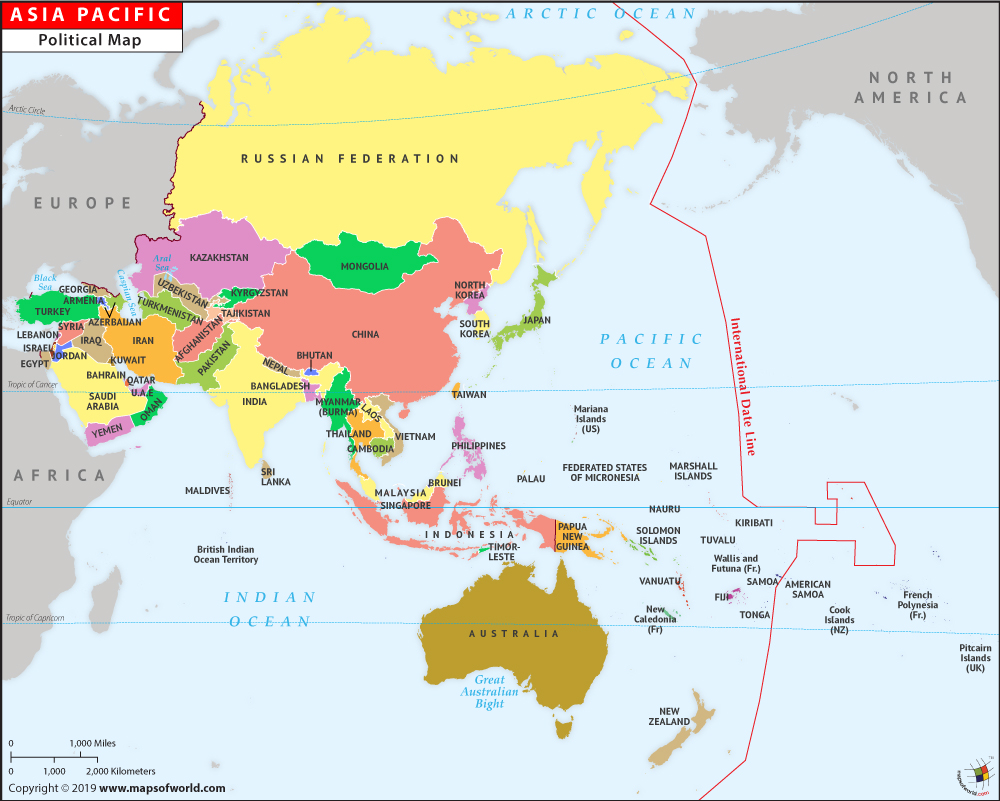
Looking ahead, the firm’s exposure to the Asia-Pacific market is expected to remain a steady contributor to the group’s overall performance. The real test for the company’s financial health in the coming quarters will be its success in passing on increased logistical costs to customers, a challenge that remains dependent on broader macroeconomic conditions in the construction and renovation sectors. Investors are currently looking toward the next quarterly earnings call for updated guidance on how the company plans to offset persistent freight inflation.
Saint-Gobain is scheduled to release its next financial update in the coming months. Stakeholders are encouraged to consult the official Saint-Gobain Investor Relations portal for the most recent filings and management statements. Please share your thoughts on the impact of global supply chain shifts on industrial manufacturing in the comments section below.
Related reading