
The security situation across the Middle East remains volatile as Israel continues its military operations in southern Lebanon, citing persistent cross-border fire from Hezbollah. Tensions in the region have escalated significantly, with the Israel Defense Forces (IDF) reporting that Hezbollah militants have intensified their rocket and drone attacks, drawing retaliatory strikes against infrastructure in Lebanese territory. As of mid-June 2024, international observers are closely monitoring the potential for a wider conflict involving regional proxies, including groups supported by Iran.
According to the Israel Defense Forces (IDF), military assets in southern Lebanon have been targeted in response to what officials describe as unprovoked aggression. The IDF has maintained that these strikes are necessary to neutralize launch sites and command centers used by Hezbollah. Conversely, Hezbollah leadership has framed their actions as a defense of Lebanese sovereignty against Israeli incursions, maintaining a cycle of escalation that has displaced thousands of civilians on both sides of the border, as noted by the United Nations High Commissioner for Refugees (UNHCR).
Strategic Context of the Israel-Hezbollah Conflict
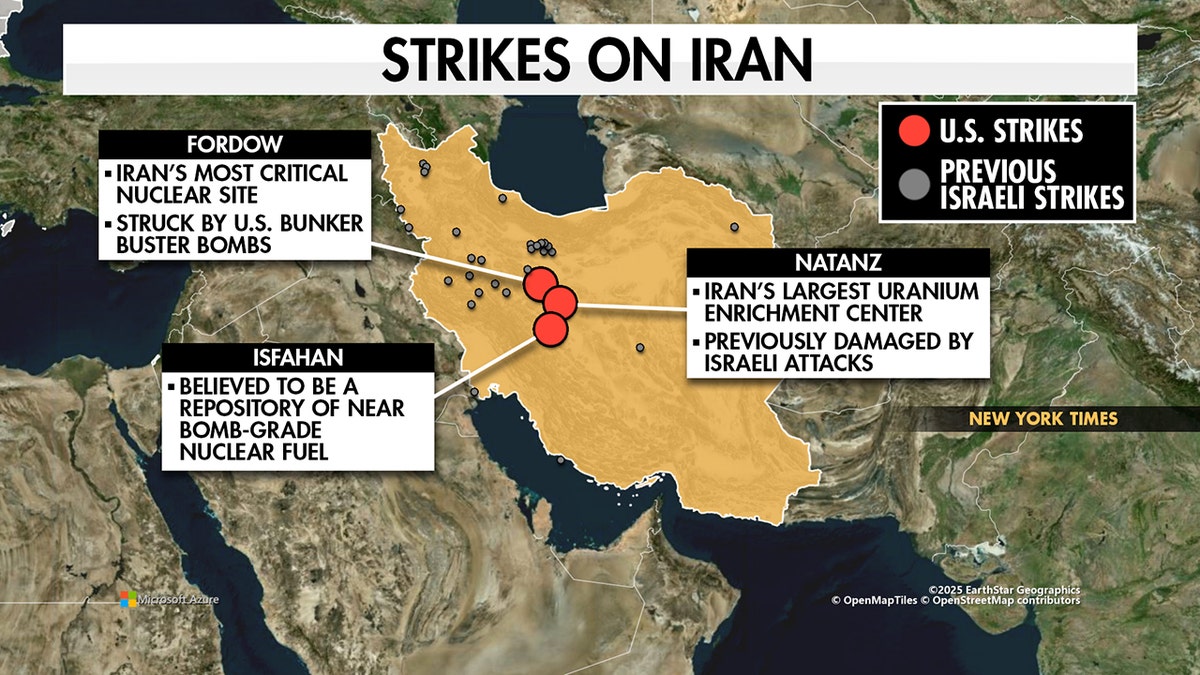
The current hostilities are not isolated but are viewed by geopolitical analysts as part of a broader regional standoff. The relationship between Israel, the United States, and Iran remains the primary driver of this friction. While the IDF focuses on tactical operations against Hezbollah, officials in Washington have repeatedly expressed concern regarding Iran’s role in supplying advanced weaponry to its regional allies.

The U.S. Department of State has characterized the support provided by Tehran to militias like Hezbollah as a destabilizing force. Throughout the spring of 2024, diplomatic efforts led by various international mediators have attempted to establish a buffer zone along the Blue Line, the de facto border between Lebanon and Israel. However, progress has been stalled by the lack of a formal agreement regarding the disarmament of militant groups in the region, a point documented in recent Reuters reporting on regional security architecture.
Operational Challenges and Humanitarian Impact
For the residents of southern Lebanon and northern Israel, the conflict has resulted in significant humanitarian challenges. The IDF has issued multiple evacuation warnings for villages near the border, citing the presence of militant infrastructure within civilian areas. These warnings are often disseminated via social media and SMS, a practice that the International Committee of the Red Cross (ICRC) has analyzed in the context of international humanitarian law, emphasizing the obligation to distinguish between combatants and non-combatants during active hostilities.
The economic impact is equally severe. In Lebanon, the ongoing instability has exacerbated an already fragile financial crisis, limiting access to essential services. In Israel, the displacement of communities in the north has led to long-term closures of schools and businesses. The World Bank has noted that the cumulative cost of these border skirmishes is difficult to quantify, but the disruption to agricultural and commercial sectors in the border regions is substantial.
Looking Toward Regional Stability
The possibility of a diplomatic resolution remains the focus of ongoing discussions in Cairo and Doha. Despite the rhetoric from various involved parties, international monitors suggest that all sides are operating under a precarious “red line” strategy, aiming to exert pressure without triggering a full-scale regional war. The European Council has recently reiterated its call for an immediate cessation of hostilities, urging both Israel and its neighbors to adhere to United Nations Security Council Resolution 1701.

As the situation continues to evolve, the international community awaits the next round of high-level diplomatic talks, which are expected to resume in the coming weeks. Official updates regarding military movements and diplomatic progress can be monitored through the official portals of the United Nations and the national defense ministries of the respective countries involved.
Carlos Mendes is the Sports Editor at World Today Journal. With over 13 years of experience in international journalism, he provides analysis on the intersection of global events and their impact on society. We welcome your thoughts on this developing story—please share your insights in the comments section below.
Keep reading