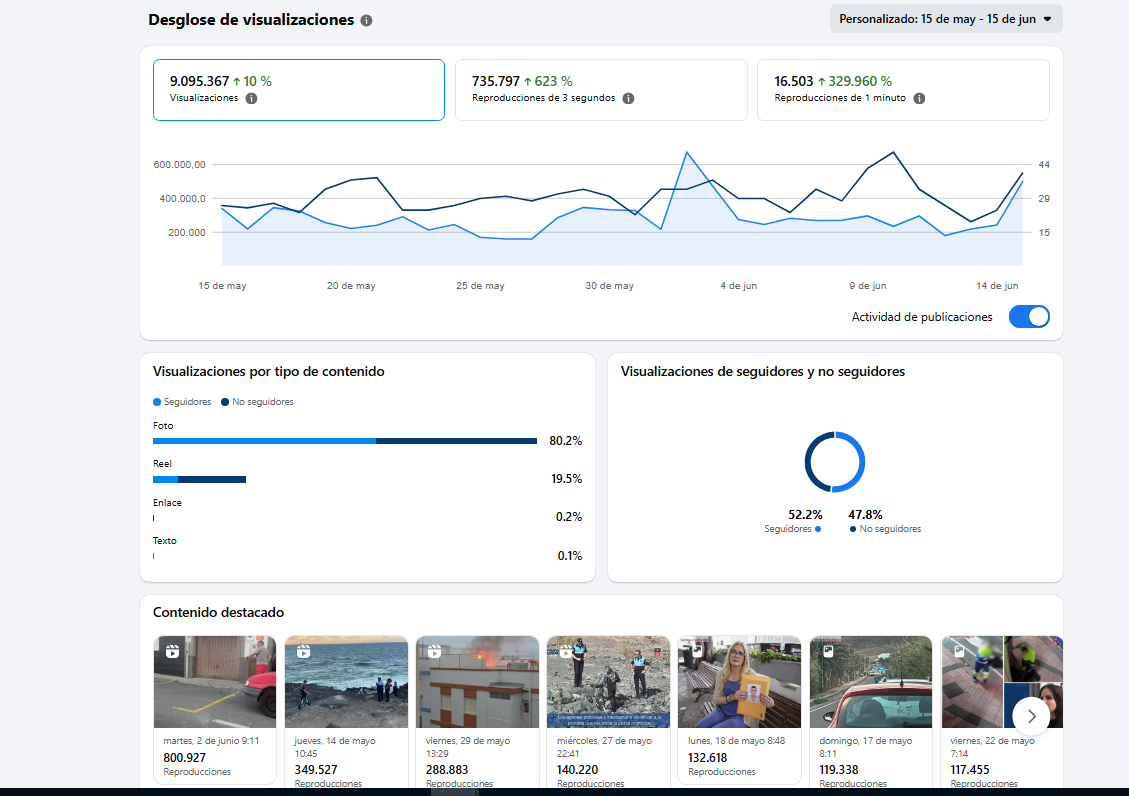
Digital media platforms in the Canary Islands are experiencing a significant shift in audience engagement, with regional outlets reporting a surge in video-based interactions. Recent data indicates that local digital news organizations are increasingly leveraging social media algorithms to reach millions of users, highlighting a broader trend in how Spanish-language regional news is consumed across Facebook and other major platforms.
According to industry analysis regarding audience growth in the Canary Islands, regional publishers are prioritizing short-form and high-impact audiovisual content to maintain relevance in a competitive digital ecosystem. This strategy has resulted in substantial engagement spikes, with some outlets recording over 9 million views within a single 30-day period. This metric reflects a growing preference for localized, video-first journalism among users in the archipelago, as noted by recent social media performance reports from the region.
The Shift Toward Audiovisual News Consumption
The rise in viewership figures for Canary Island-based digital media is largely attributed to the adoption of sophisticated social media distribution strategies. By focusing on high-frequency video updates, publishers are effectively capitalizing on Facebook’s algorithmic preference for native video content. As reported by industry experts monitoring platform behavior, regional news outlets that pivot toward mobile-optimized video often see a direct correlation between content format and reach.
For many residents of the Canary Islands, digital news portals have become the primary source for real-time information, replacing traditional broadcast schedules. The ability to comment, share, and interact with news in a social environment allows for a level of community engagement that static websites cannot replicate. Data from the National Statistics Institute (INE) regarding internet usage in Spain confirms that digital news consumption remains a dominant activity, particularly among mobile-first demographics in the autonomous communities.
Measuring Social Media Impact and Engagement
Achieving 9 million views in a single month requires a consistent stream of content that resonates with regional interests. Digital publishers in this sector typically utilize a mix of breaking news, weather updates, and human-interest stories to maintain high engagement levels. When analyzing these figures, it is essential to distinguish between “views” and “unique visitors.” Under the current Facebook metrics standards, a view is often counted after only a few seconds of playback, meaning that while the reach is expansive, publishers must work continuously to convert those views into loyal, returning readers.
The competition for user attention in the Spanish digital market is intense. Major national outlets often dominate the search rankings, forcing regional players to specialize in hyper-local reporting. By providing granular details on events occurring in specific municipalities across Tenerife, Gran Canaria, and the other islands, these outlets secure a niche audience that national newspapers cannot serve with the same level of depth.
Why Regional Digital Growth Matters
The growth of regional digital media is a indicator of the broader health of local journalism. In an era where many local newspapers have faced financial contraction, the pivot to social media platforms serves as a vital lifeline. This transition allows smaller newsrooms to maintain a presence without the significant overhead costs associated with print distribution or traditional broadcast infrastructure.

However, this reliance on external platforms like Facebook presents a unique set of challenges. Algorithms are subject to frequent changes, and publishers often find their reach throttled by updates to the site’s delivery protocols. To mitigate this risk, successful digital outlets in the Canary Islands are increasingly diversifying their platforms, directing social media traffic back to their own proprietary domains and email newsletters. This strategy is consistent with the recommendations provided by the Reuters Institute for the Study of Journalism, which emphasizes the importance of direct reader relationships for long-term sustainability.
Future Outlook for Canary Island Media
Looking ahead, the next phase for regional digital publishers will likely involve the integration of artificial intelligence to optimize content delivery and automated translation services to reach a wider, international audience. As the digital landscape continues to evolve, the focus will remain on the balance between high-volume social media engagement and the maintenance of rigorous editorial standards.

Readers interested in the ongoing development of Canary Island digital media can monitor official reports from regional press associations and telecommunications regulatory bodies for further updates on industry trends. Engagement with local news remains a critical component of regional civic life, and the continued success of these platforms serves as a testament to the enduring demand for reliable, local information.
We invite our readers to share their thoughts on the evolution of digital news in the comments section below. How do you prefer to consume your regional news? Join the conversation and let us know your perspective on the changing face of local journalism.
Keep reading