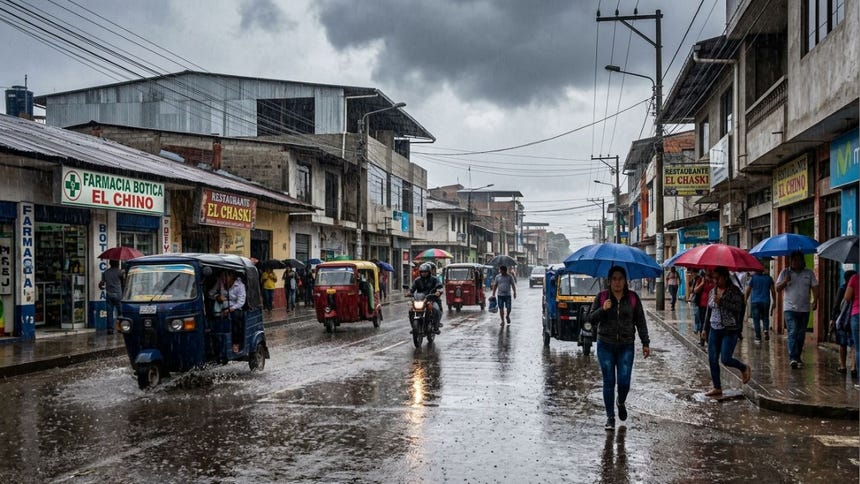
The National Meteorology and Hydrology Service of Peru (Senamhi) has issued an official alert regarding the arrival of a third cold air mass, known as a “friaje,” which is expected to significantly alter weather patterns across the southern jungle regions of the country. According to official meteorological bulletins, the phenomenon is projected to trigger a drop in temperatures and increase wind speeds, impacting specific provinces starting this week.
This meteorological event, which is the third of its kind recorded in 2024, is characterized by the displacement of cold air from the southern continent, typically resulting in a sharp, sudden decrease in ambient temperature. The Peruvian government’s National Meteorology and Hydrology Service (Senamhi) serves as the primary authority for tracking these shifts, providing data that guides local civil defense responses and agricultural planning.
Understanding the Impact of the Third Friaje
The current forecast indicates that the cold air mass will primarily influence the southern Amazonian departments. Meteorologists at Senamhi have noted that the “friaje” will manifest as light to moderate winds and a subsequent cooling trend. Unlike common seasonal rain, these cold fronts are distinct in their origin and their ability to affect humidity levels and atmospheric pressure in tropical zones that are usually accustomed to consistent heat.
For residents in the affected areas, this means a shift in daily routines. The drop in temperature, while brief, often poses health risks, particularly for vulnerable populations such as the elderly and young children. Official guidelines from the National Institute of Civil Defense (INDECI) generally advise citizens in regions under alert to prepare for sudden temperature fluctuations by ensuring adequate heating and monitoring respiratory health, as cold snaps in tropical environments can lead to an increase in common illnesses.
Agricultural Risks and Economic Implications
Beyond the immediate human impact, the arrival of the cold front brings specific challenges for the agricultural sector. Senamhi has highlighted concerns regarding the potential for increased pest activity and crop stress, which can occur when tropical vegetation is subjected to unseasonal cold. According to agricultural monitoring reports, the window between June 16 and June 19 has been identified as a period of elevated risk for certain crops that are sensitive to thermal changes.
Farmers are encouraged to follow technical advice provided by local agrarian agencies to mitigate these risks. Effective management strategies often include the application of specific protective measures for crops and the monitoring of soil moisture levels. The Ministry of Agrarian Development and Irrigation (MIDAGRI) maintains updated records and regional guidance for producers navigating these recurring weather phenomena.
Regional Preparedness and Monitoring
The monitoring of the “friaje” is part of a broader national strategy to manage climate-related hazards in Peru. Because the Amazon region is vast and ecologically diverse, the intensity of these events can vary significantly based on local topography. Senamhi utilizes a network of ground stations and satellite imagery to provide localized warnings, which are essential for regional authorities to activate their emergency protocols.
Readers and residents in the southern jungle are encouraged to monitor the official Senamhi weather warnings page for the most recent updates, as forecasts are subject to change based on the speed and trajectory of the air mass. These digital platforms provide the most accurate, real-time data regarding the expected duration and severity of the event in specific districts.
FAQ: What to Expect During a Friaje
What is a “friaje”? It is a cold front originating in the southern part of the continent that moves into the Peruvian jungle, causing a sudden drop in temperature and changes in wind patterns.
How long will this event last? While the current alert covers the period beginning this Friday, the duration of the cooling effect varies depending on the specific region. Official daily reports from Senamhi provide the most precise timelines for specific departments.
How can farmers protect their crops? Agricultural authorities recommend consulting local extension offices for specific guidance on crop management during thermal drops, including the use of protective coverings and pest monitoring during the high-risk window identified by climate experts.
Where can I find official information? The only verified sources for these weather events are the Senamhi website, the INDECI social media channels, and official government bulletins issued by the Peruvian climate monitoring network.
The next update regarding the progression of the cold front is expected to be released by Senamhi in their upcoming 24-hour meteorological bulletin. Please share this report with friends and family in the southern jungle regions to ensure they remain informed and prepared. We welcome your comments and observations below regarding the weather conditions in your local area.
Worth a look