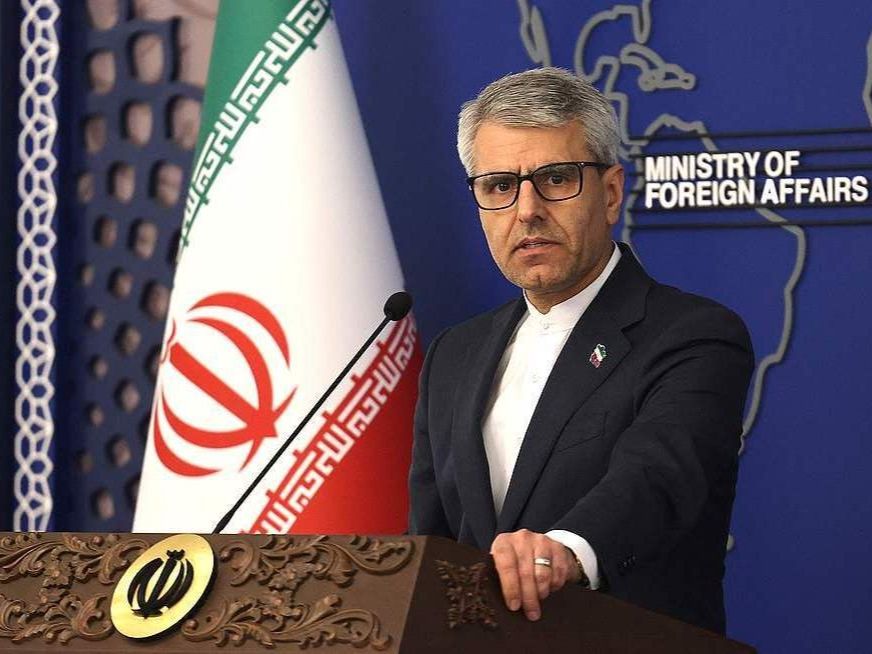
The Iranian government has formally condemned the ongoing Israeli military operations in Lebanon, placing the responsibility for the escalation directly on the United States. Tehran’s diplomatic rhetoric intensified this week as officials characterized the U.S. government as a primary facilitator of the conflict, citing the ongoing regional security crisis as a direct consequence of American policy in the Middle East, according to reports from international news agencies monitoring the region.
This diplomatic friction occurs amid a complex backdrop of high-level communications between Tehran, Washington, and Beirut. Iranian Foreign Minister Abbas Araghchi has maintained a series of discussions with regional counterparts, including senior Lebanese officials, to address the humanitarian and security fallout from the conflict. These exchanges come as global observers monitor potential shifts in the geopolitical landscape, specifically concerning the U.S. State Department’s ongoing efforts to mediate regional stability.
The Diplomatic Stance from Tehran
Tehran’s official position, as articulated by the Ministry of Foreign Affairs, emphasizes that the United States possesses the capacity to halt the hostilities through its influence over Israeli military strategy. In recent statements, Iranian spokespeople have alleged that the U.S. provides the logistical and political support necessary for the continuation of operations in southern Lebanon. These accusations are part of a broader Iranian strategy to frame the conflict as an American-backed offensive rather than a localized security operation.

The dialogue between China and Iran has also surfaced as a significant element of this diplomatic push. Chinese Foreign Minister Wang Yi held a telephone conversation with his Iranian counterpart, Abbas Araghchi, to discuss the stability of the Middle East. According to the Chinese Ministry of Foreign Affairs, both sides emphasized the need for an immediate cessation of violence and a return to diplomatic channels to prevent further regional destabilization.
Regional Implications and the Lebanon Crisis
The conflict has placed immense pressure on the Lebanese state, which is currently navigating a severe economic and political crisis alongside the military escalation. Reports from the United Nations indicate that civilian infrastructure in southern Lebanon has sustained significant damage, leading to large-scale displacement of local populations. The Iranian foreign ministry has frequently highlighted these figures to bolster its international argument against the current military approach.
There is persistent speculation regarding the status of informal understandings between Washington and Tehran. While rumors of a “memorandum of understanding” have circulated in various media outlets, the U.S. government has remained cautious, typically describing diplomatic efforts as ongoing and focused on de-escalation. The potential for a formal or informal agreement is often hindered by the volatile situation on the ground in Lebanon, which serves as a testing ground for the diplomatic resolve of all involved parties.
Monitoring the Next Diplomatic Milestones
The situation remains fluid, with international observers focusing on the next round of high-level talks. While no specific date for a breakthrough has been confirmed by the U.S. or Iranian governments, the diplomatic community is looking toward upcoming sessions at the United Nations General Assembly and private backchannel meetings in neutral locations like Switzerland. These venues remain the primary arenas for potential de-escalation.
For those following the situation, official updates regarding U.S. foreign policy can be found on the U.S. Department of State press release portal. As events continue to unfold in the Levant, the international community remains divided on the efficacy of current mediation strategies. Readers are encouraged to monitor these official channels for verified updates and to share their perspectives on the evolving geopolitical situation in the comment section below.