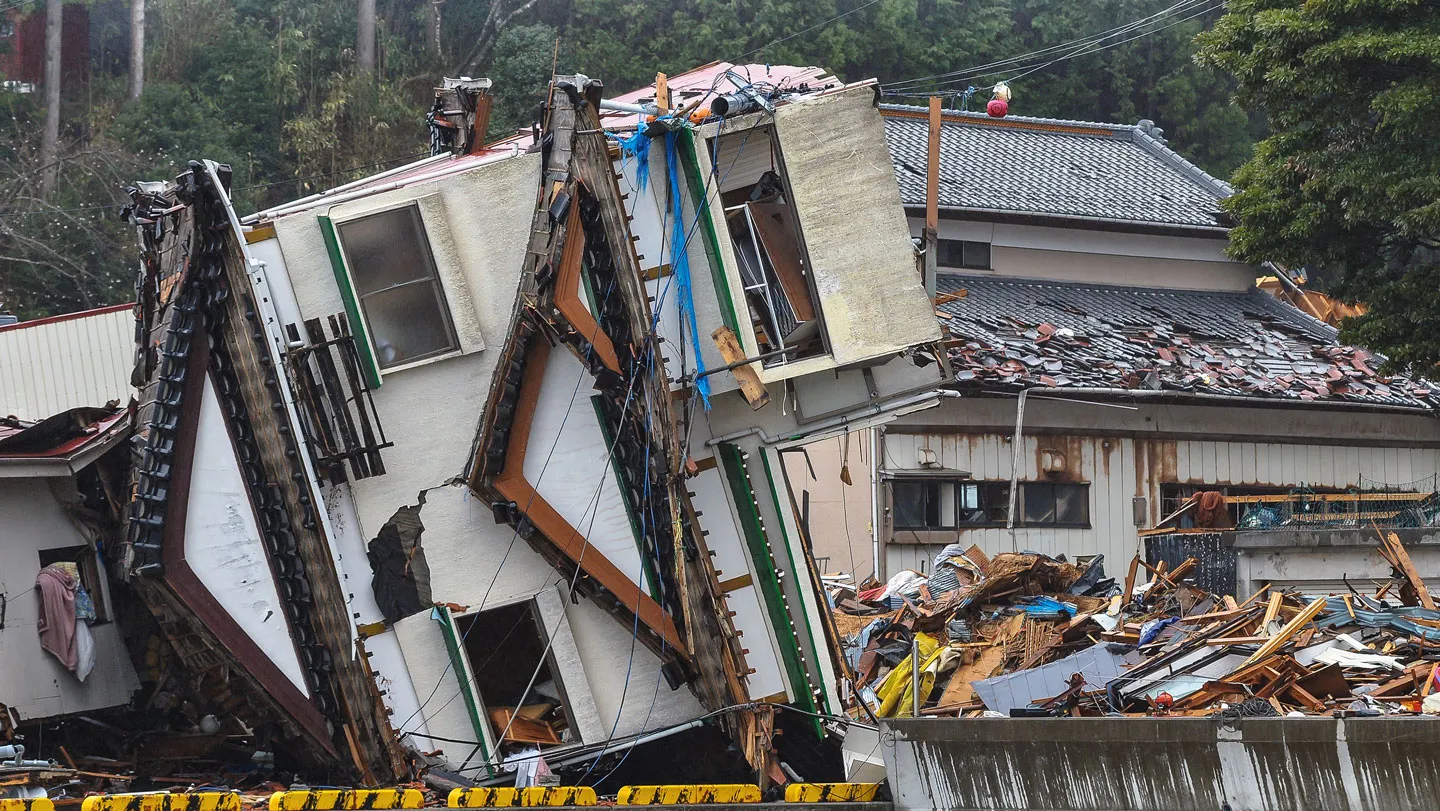
The 2011 Tohoku earthquake, a magnitude 9.0 event that struck off the coast of Japan, triggered seismic waves that traveled deep into the Earth’s interior, interacting with the planet’s core in a manner that experts say influenced the tectonic dynamics of the region. New research indicates that these waves, after reflecting off the Earth’s core-mantle boundary, returned to the surface to potentially facilitate further fault slippage, altering our understanding of how massive subduction zone earthquakes evolve over time. According to the United States Geological Survey (USGS), this seismic event remains one of the most powerful ever recorded, causing significant crustal displacement that shifted the Japanese archipelago several meters to the east.
For geophysicists, the focus has shifted toward how energy is redistributed through the Earth’s deep interior during such massive ruptures. While conventional models often focus on surface-level plate interaction, the 2011 event demonstrated that the planet’s internal layers may play a more active role in seismic propagation than previously modeled. Researchers studying the data from the Japan Meteorological Agency (JMA) have noted that the complex interaction between these deep-reflected waves and local fault boundaries may have contributed to the prolonged nature of the aftershock sequence observed in the months following the initial March 11, 2011, rupture.
Understanding the Core-Mantle Wave Interaction
The Earth’s core acts as a high-density reflector for seismic energy. When a massive earthquake occurs, the energy doesn’t just travel along the surface; it radiates in all directions, including downward through the mantle. Upon reaching the outer core, these waves—specifically seismic P-waves and S-waves—undergo reflection and refraction. Recent geophysical analysis suggests that these deep-traveling waves returned to the surface in the vicinity of the Japan Trench, where they may have exerted stress on secondary fault systems that were already nearing their breaking point.

This phenomenon highlights a previously underappreciated seismic hazard: the potential for large-scale earthquakes to “re-trigger” or nudge nearby fault zones via deep-earth reflections. According to data published by the Earthquake Research Institute at the University of Tokyo, the 2011 rupture was not a single, clean break but a series of complex slips across multiple plate interfaces. By understanding how the core reflects these energy waves, scientists are now better equipped to model the “memory” of a fault line—how a major event leaves a region sensitized to future seismic activity.
Impact on Tectonic Plate Positioning
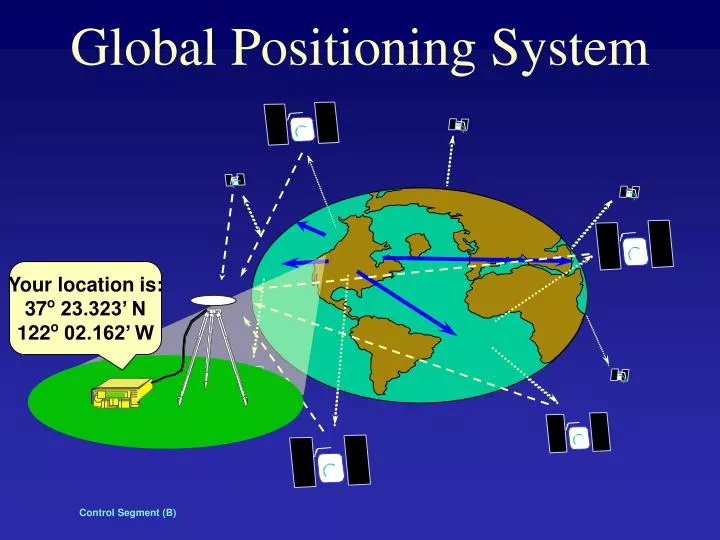
The physical displacement caused by the 2011 earthquake was unprecedented in modern instrumental history. Global Positioning System (GPS) stations across the Tohoku region recorded a horizontal shift of up to 5 meters (approximately 16 feet) toward the east, as reported by the Geospatial Information Authority of Japan (GSI). This shift was a direct result of the Pacific Plate subducting beneath the North American Plate, a process that released centuries of accumulated elastic strain in mere minutes.
The “nudge” provided by the core-reflected waves did not necessarily cause this massive displacement—which was driven by the primary plate rupture—but it likely influenced the spatial distribution of the aftershocks. By mapping the timing of these reflected waves against the timing of subsequent fault slips, researchers are constructing a more granular view of how seismic energy cascades through the crust. This is critical for assessing the long-term seismic hazard for coastal communities that remain vulnerable to the subduction zone’s ongoing convergence.
Why Deep-Earth Seismic Research Matters
For the general public, the distinction between surface waves and core-reflected waves may seem academic, but the implications for public safety and building codes are significant. If researchers can accurately predict which fault segments are likely to be “nudged” by deep-earth reflections, it allows for more precise hazard mapping. This is particularly important for Japan’s Cabinet Office as it continues to refine its national disaster management strategy, which relies on high-fidelity simulations of how seismic energy behaves both at the surface and at depth.
Current efforts are centered on integrating deep-interior seismic data into real-time monitoring systems. By using the Earth’s core as a diagnostic tool, seismologists gain a “sonar” image of the tectonic plates from below. This provides a clearer picture of where stress is building and where the next potential rupture might initiate. As Nature reports, the 2011 event underscored that our reliance on surface-only models is insufficient for understanding the true scale of megathrust earthquake mechanics.
Future Monitoring and Official Updates
The scientific community continues to analyze the vast datasets collected since 2011. The next major milestone for this field of study involves the deployment of next-generation ocean-bottom seismometers, which will provide higher resolution data on how these waves interact with the seafloor near active trenches. These sensors are essential for detecting the subtle signals that precede major plate movements.

Readers interested in the latest seismic activity or official hazard advisories should consult the JMA’s real-time seismic monitoring portal. As research into deep-earth seismic reflections advances, updates will be provided through peer-reviewed journals and official government reports from the Ministry of Education, Culture, Sports, Science and Technology (MEXT). We encourage readers to monitor these official channels for the most accurate information regarding regional seismic risks and disaster preparedness protocols. Please share your thoughts or questions in the comments section below to join the conversation on how we can better prepare for the next generation of seismic challenges.