Ukrainian military forces are increasingly deploying weaponized ground robots to counter Russian infiltration teams, repurposing remote-controlled platforms into mobile fire-support units. By mounting autonomous remote weapon stations onto unmanned ground vehicles (UGVs), Ukrainian units are engaging enemy forces from distances that significantly reduce the exposure of infantry to direct fire, according to reports from manufacturers and military personnel operating on the front lines.
The transition from stationary defensive turrets to mobile, robotic platforms marks a tactical shift in how Ukraine manages its “kill zones”—the dangerous, drone-saturated terrain near the front lines. These systems, which allow for the remote operation of grenade launchers and machine guns, are designed to disrupt Russian small-unit tactics, which rely on infantry crawling across terrain to avoid aerial detection. According to data from the Ukrainian Ministry of Defense, the military has conducted more than 50,000 logistics and evacuation missions using ground robots since the start of 2024, a figure that highlights the rapid expansion of unmanned systems in the conflict, as reported by Reuters.
Adapting Stationary Systems for Mobile Combat
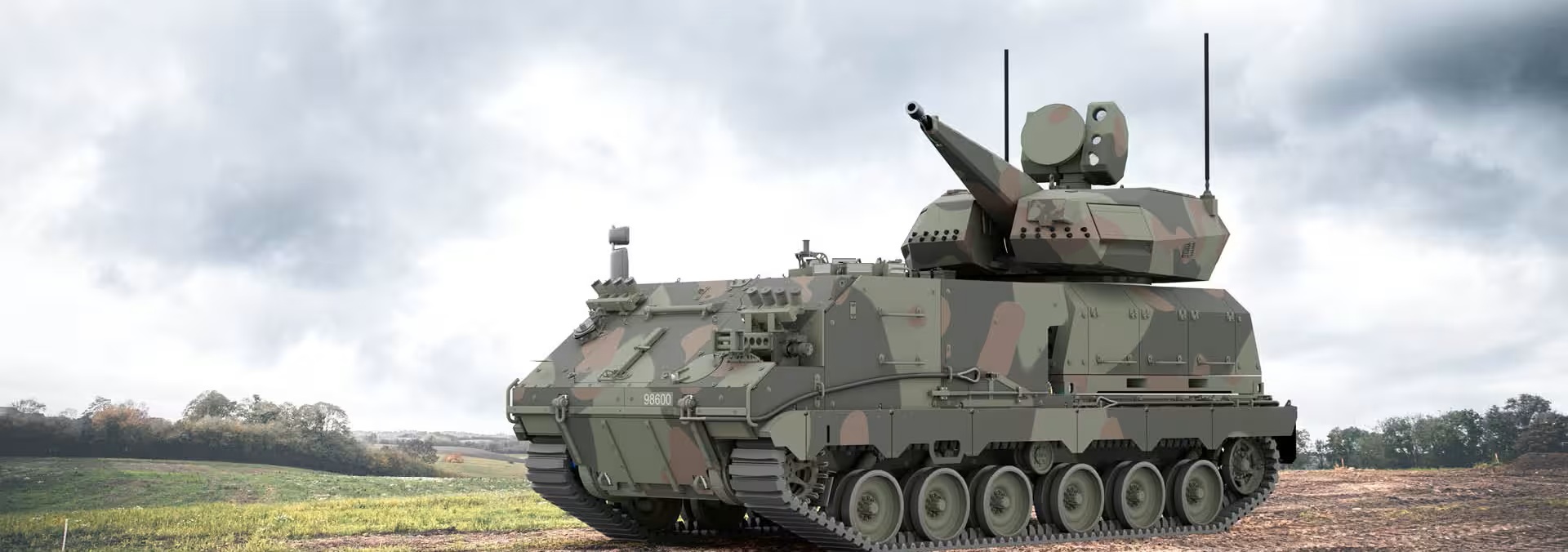
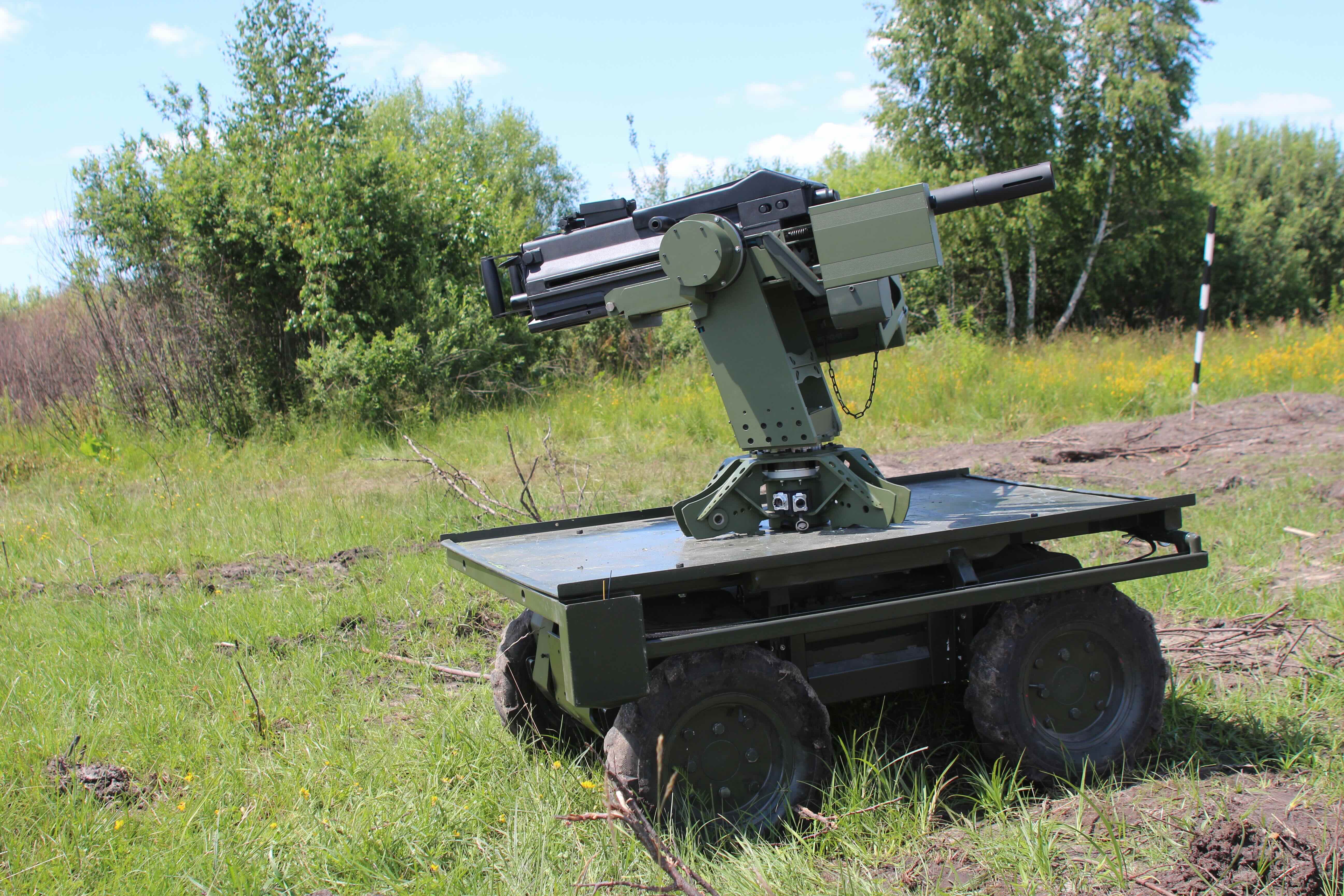
The development of these “small tanks” stems from the modularity of remote weapon stations originally designed for static defense. Mykyta Rozhkov, chief business development officer at Frontline Robotics, described the company’s “Buria” turret as a metal robotic arm capable of firing heavy weaponry. While initially utilized as a tripod-mounted, hidden defensive asset, the system is now being integrated into mobile robotic vehicles. This allows operators to remain 20 to 50 kilometers away from the immediate front, navigating the robots through forest lines to intercept infiltrating Russian groups.
This agility serves a dual purpose: it provides a force multiplier for defensive lines while protecting personnel. Oleksandr Yabchanka, who leads robotic systems for the Da Vinci Wolves Battalion, has previously stated that these weapons-equipped robots can operate in environments that would be prohibitively dangerous for human soldiers. When robots are destroyed, the loss is purely material, whereas the survival of infantry is prioritized by keeping them outside the most intense zones of contact.
Tactical Advantages in the “Kill Zone”
The current nature of the conflict, characterized by the constant threat of aerial surveillance, has made the movement of traditional armored vehicles difficult. Drones frequently identify and target tanks, leading both sides to favor smaller, cheaper, and more replaceable robotic platforms. According to Oleg Fedoryshyn, director of R&D at the Ukrainian firm DevDroid, the primary objective of equipping ground robots with grenade launchers and machine guns is to “save people’s lives” by enabling attacks on enemy positions without requiring soldiers to physically approach the target.
The effectiveness of these systems is tied to their ability to change positions rapidly. Unlike a stationary machine gun nest, which becomes a primary target once its location is identified, a mobile robot can relocate, fire again, and continue to pressure enemy trenches under heavy fire. This capability is crucial for disrupting the small-group infiltration tactics that Russian forces have adopted to bypass traditional front-line defenses.
Robots mounted with weapons are playing a growing role in Ukraine’s fight against Russia’s invasion.
The Evolution of Feedback Loops
A notable factor in the rapid deployment of these technologies is the direct communication channel between soldiers and manufacturers. Frontline Robotics reports receiving feedback from the front lines on a near-constant basis, allowing for product iterations as frequently as 20 times per month. This “unfair advantage,” as described by industry representatives, stems from the necessity of constant adaptation in an active war zone. NATO countries are currently studying these rapid-cycle manufacturing processes to understand how to better integrate field-level feedback into defense procurement.
The scale of this integration is unprecedented. In the six months leading up to December 2023, officials reported approximately 2,000 robotic missions. The surge to over 50,000 missions in 2024 reflects both the increased availability of hardware and a growing trust among battalion commanders in the reliability of these systems, according to updates provided by the Ukrainian Ministry of Defence.
What Happens Next
As the conflict continues, the focus remains on scaling the production of these unmanned systems to further minimize human exposure to frontline combat. Recent battlefield milestones, such as the capture of a Russian position using only aerial drones and ground robots, suggest a future where unmanned systems may perform a larger percentage of offensive maneuvers. The next phase of development likely involves improving the autonomy of these units to operate in GPS-denied environments where signal jamming is prevalent. Readers interested in the official progress of these systems can monitor updates from the Ukrainian Defense Ministry’s specialized procurement agencies.

This report is based on verified developments in Ukrainian defense technology. Share your thoughts or observations in the comments below.