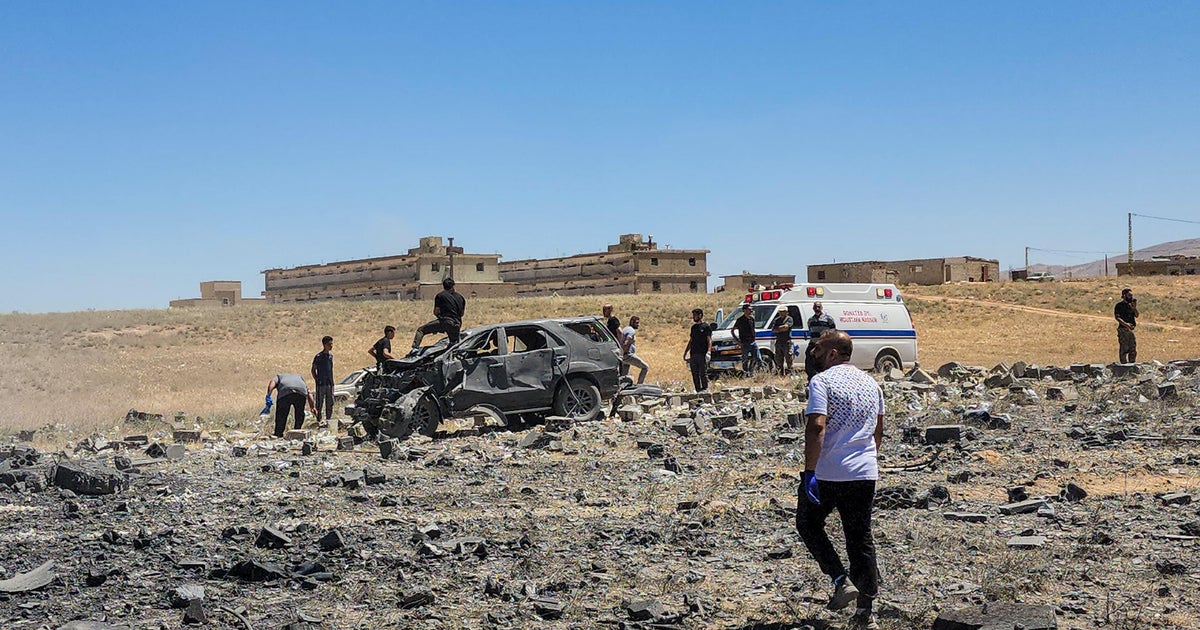
Israel and Hezbollah have reached an agreement to implement a ceasefire in Lebanon, according to officials familiar with the negotiations, marking a significant development in the ongoing regional conflict. The cessation of hostilities, which follows months of intense cross-border exchanges, comes as the United States navigates the complex diplomatic fallout affecting broader regional stability, including high-stakes discussions involving Iran. While the agreement represents a potential turning point, the situation remains fluid, with reports of continued military activity in southern Lebanon despite the announced truce.
The ceasefire agreement, brokered with significant diplomatic involvement from the United States and France, aims to restore calm along the Blue Line, the de facto border between Israel and Lebanon. According to the Reuters report on the terms, the deal requires the withdrawal of Hezbollah forces to positions north of the Litani River, while the Lebanese Armed Forces are tasked with overseeing the area to ensure compliance. The Israeli government has maintained that its primary objective is the safe return of displaced residents to northern communities, a goal that has remained central to its military strategy since October 2023.
Diplomatic Hurdles and Regional Implications
The timing of the ceasefire has complicated the broader diplomatic landscape, particularly regarding U.S. efforts to address concerns over Iran’s nuclear program and its regional influence. As reported by the New York Times, the intensification of fighting in Lebanon had placed significant strain on the Biden administration’s attempts to maintain a dialogue with Tehran. Analysts suggest that the fragility of the Lebanon front has acted as a catalyst for renewed calls to stabilize the region before further escalation can occur.
The intersection of the Lebanon truce and U.S.-Iran relations is not coincidental. Tehran remains a primary benefactor of Hezbollah, providing the group with the financial and material support necessary for its military operations. Consequently, any agreement that limits Hezbollah’s operational capacity is viewed by regional observers as a strategic setback for Iranian influence in the Levant. The U.S. State Department has not yet provided a comprehensive summary of how the ceasefire will influence the trajectory of future nuclear talks, though officials have stated that regional security remains a top priority for the transition team.
Market Reactions to the Conflict
The geopolitical uncertainty surrounding the conflict has had a direct impact on global energy markets. Following the announcement of the ceasefire, oil prices experienced a period of volatility, reflecting broader investor anxiety over the potential for supply chain disruptions in the Middle East. According to data provided by Bloomberg, markets have remained sensitive to any signs of instability, with traders closely monitoring the adherence of both parties to the ceasefire terms to gauge future price trends.

The economic impact of the conflict extends beyond energy prices. Lebanon’s economy, already suffering from a protracted financial crisis, remains in a state of extreme vulnerability. The World Bank has estimated that the destruction of infrastructure in southern Lebanon will require significant international aid to rehabilitate, emphasizing that any sustainable recovery is contingent upon a durable and lasting peace agreement that prevents a return to full-scale hostilities.
Status of Military Operations
Despite the formal agreement, reports from the ground indicate that the cessation of violence has not been absolute. Various media outlets, including Al Jazeera, have documented continued airstrikes and artillery fire in the hours following the announcement. Israeli military officials have stated that they reserve the right to act in self-defense if they perceive an immediate threat or if the terms of the ceasefire are violated by Hezbollah militants.
The Lebanese government has called for international monitors to oversee the implementation of the truce, expressing concern that any unilateral military action could jeopardize the fragile peace. As of now, the United Nations Interim Force in Lebanon (UNIFIL) remains on the ground, though its capacity to enforce the ceasefire is limited by its mandate and the current security environment. The international community is expected to provide further updates on the status of the agreement during upcoming sessions of the UN Security Council.
Looking Ahead: Verification and Enforcement
The next critical checkpoint for the region involves the establishment of a formal monitoring mechanism to verify the withdrawal of non-state actors from the border region. Observers are also watching for any official statements from the Israeli cabinet regarding the permanent lifting of evacuation orders for northern residents. For those seeking official updates, the UN Security Council official website provides records of recent resolutions and public statements regarding the situation in Lebanon.
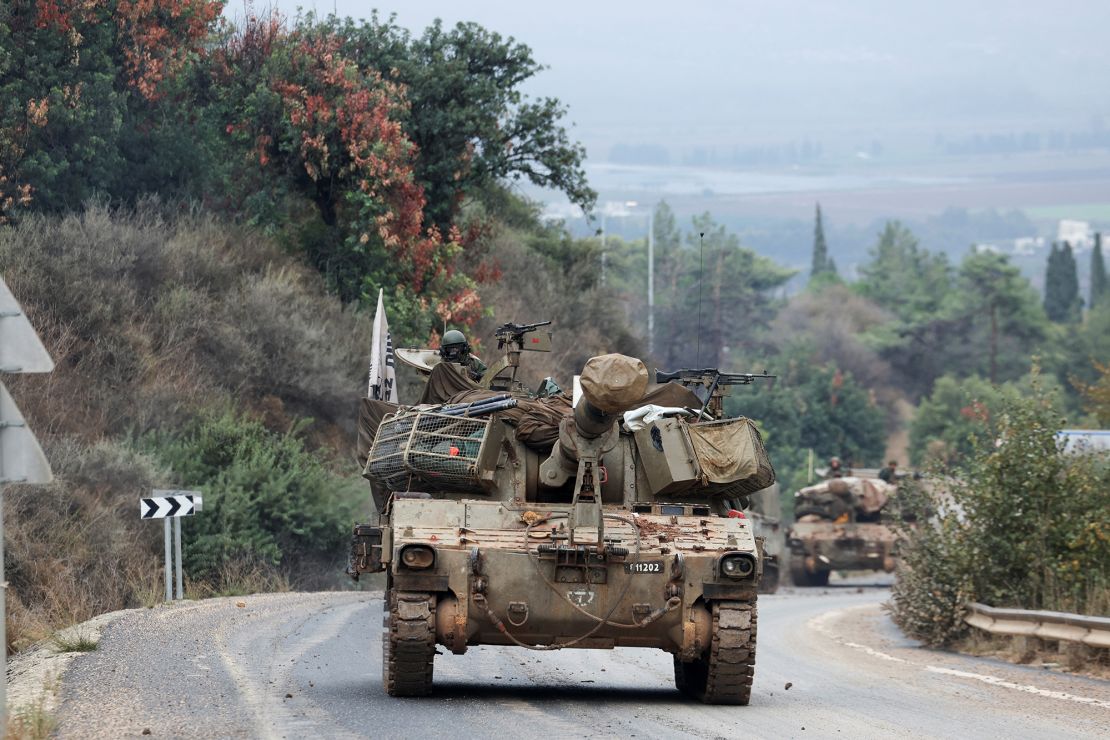
The success of this truce will be measured by the ability of both Israel and the Lebanese state to prevent a recurrence of the rocket fire and airstrikes that defined the last several months. As the situation evolves, we encourage our readers to participate in the conversation by sharing their perspectives in the comments section below or by following our dedicated news feed for live developments.
Related reading
- Trump Denies US Munitions Shortage Amid Reports of Depleted Missile Stockpiles
- Why Europe’s Leaders are Provoking War with Russia: Decline, US Betrayal, and the Quest for New Colonies
- Tottenham in Talks With Cody Gakpo as Michael Owen Evaluates Liverpool Exit (archyworldys.com)
- Partners Group in Talks to Acquire Majority Stake in Aroma-Zone for $2.3B (time.news)