The Oura Ring 4, the latest iteration of the Finnish company’s flagship wearable, has emerged as a prominent contender in the miniaturized health-tracking market, shifting consumer interest away from traditional wrist-worn sports watches. Recent market data indicates that retailers are increasingly positioning these smart rings as comprehensive wellness tools, with promotional pricing occasionally appearing during major retail events to capture broader consumer interest. According to official specifications released by Oura Health, the fourth-generation device features an updated sensor suite and a refined titanium design intended to improve data accuracy and user comfort compared to its predecessor.
Design and Sensor Innovations in the Oura Ring 4
The Oura Ring 4 represents a significant engineering shift for the company, primarily through the integration of what the manufacturer terms “Smart Sensing” technology. As detailed in the official Oura Ring 4 product announcement, the device utilizes a network of sensors that adapt to the user’s finger size and skin contact points. This design aims to mitigate the signal loss often associated with improper fit, a common challenge in ring-based biometrics. The outer shell is crafted from titanium, maintaining a lightweight profile while increasing structural durability against daily wear.
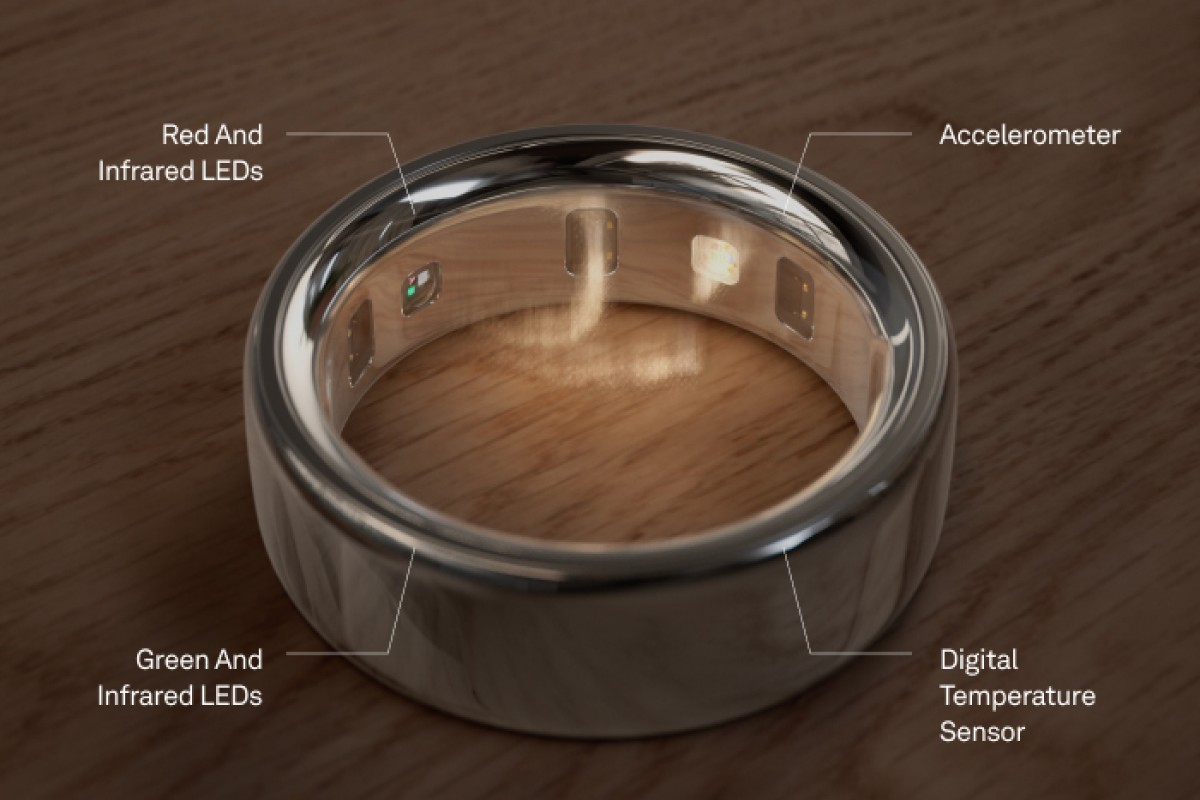
From a technical standpoint, the device continues to prioritize longitudinal health data over real-time performance metrics typical of high-end sports watches. The technical specifications reported by The Verge highlight that the sensor array is capable of monitoring blood oxygen levels, skin temperature, and heart rate variability (HRV) with higher fidelity than the Oura Ring Gen3. These metrics are processed through the Oura app to provide users with a “Readiness Score,” a proprietary algorithm designed to correlate physiological stress with recovery needs.
Market Positioning and Competitive Landscape
The rise of the smart ring category is characterized by a departure from the screen-centric design of traditional smartwatches. While devices from competitors such as Ultrahuman, specifically the Ultrahuman Ring Air, emphasize lightweight ergonomics and metabolic health tracking, Oura has focused on establishing a dominant position through long-term data ecosystem integration. Industry analysts often contrast these ring-based trackers with watches from Garmin or Apple, noting that rings serve a different user intent—passive, 24/7 health monitoring without the distraction of notifications or screen interaction.

Retail pricing for the Oura Ring 4 typically starts at $349, though market fluctuations during promotional periods—such as Amazon Prime Day or similar retail sales events—have seen the device listed at reduced rates in various global markets. Consumers should note that in addition to the hardware purchase, the company maintains a monthly subscription model for full access to the Oura App’s data analytics and long-term trends. This subscription-based revenue model is a standard practice among major health-tracking manufacturers, intended to fund ongoing software development and algorithm refinement.
Evaluating Health Data Accuracy
For users considering a transition from a smartwatch to a smart ring, the primary concern remains data reliability. Clinical studies and independent testing have shown that while finger-based photoplethysmography (PPG) is effective for sleep tracking and resting heart rate, it may struggle with high-intensity interval training (HIIT) or rapid wrist movements compared to optical sensors placed on the wrist. According to research published in the National Library of Medicine regarding wearable accuracy, the placement of the sensor significantly impacts the signal-to-noise ratio during movement.
The Oura Ring 4 attempts to bridge this gap by utilizing its refined algorithms to filter out motion artifacts. However, users focused strictly on athletic performance tracking, such as GPS-based pace or real-time heart rate zones during sprinting, may find that a dedicated sports watch remains the more reliable tool. The Oura Ring is primarily optimized for sleep architecture analysis, menstrual cycle tracking, and daily activity baseline monitoring.
Next Steps for Consumers
Potential buyers should verify their sizing before purchase, as the device requires a specific fit to ensure the sensors maintain contact with the skin. Oura provides a sizing kit that is typically sent to the customer upon order confirmation. Prospective users can monitor the official Oura website for the most accurate information regarding regional availability, firmware update schedules, and compatibility with third-party fitness apps like Strava or Apple Health.

As the wearable technology sector continues to evolve, further advancements in sensor miniaturization are expected to narrow the functional gap between rings and watches. Readers are encouraged to share their experiences with wearable data tracking in the comments section below, or to join the conversation regarding the future of passive health monitoring.
Worth a look