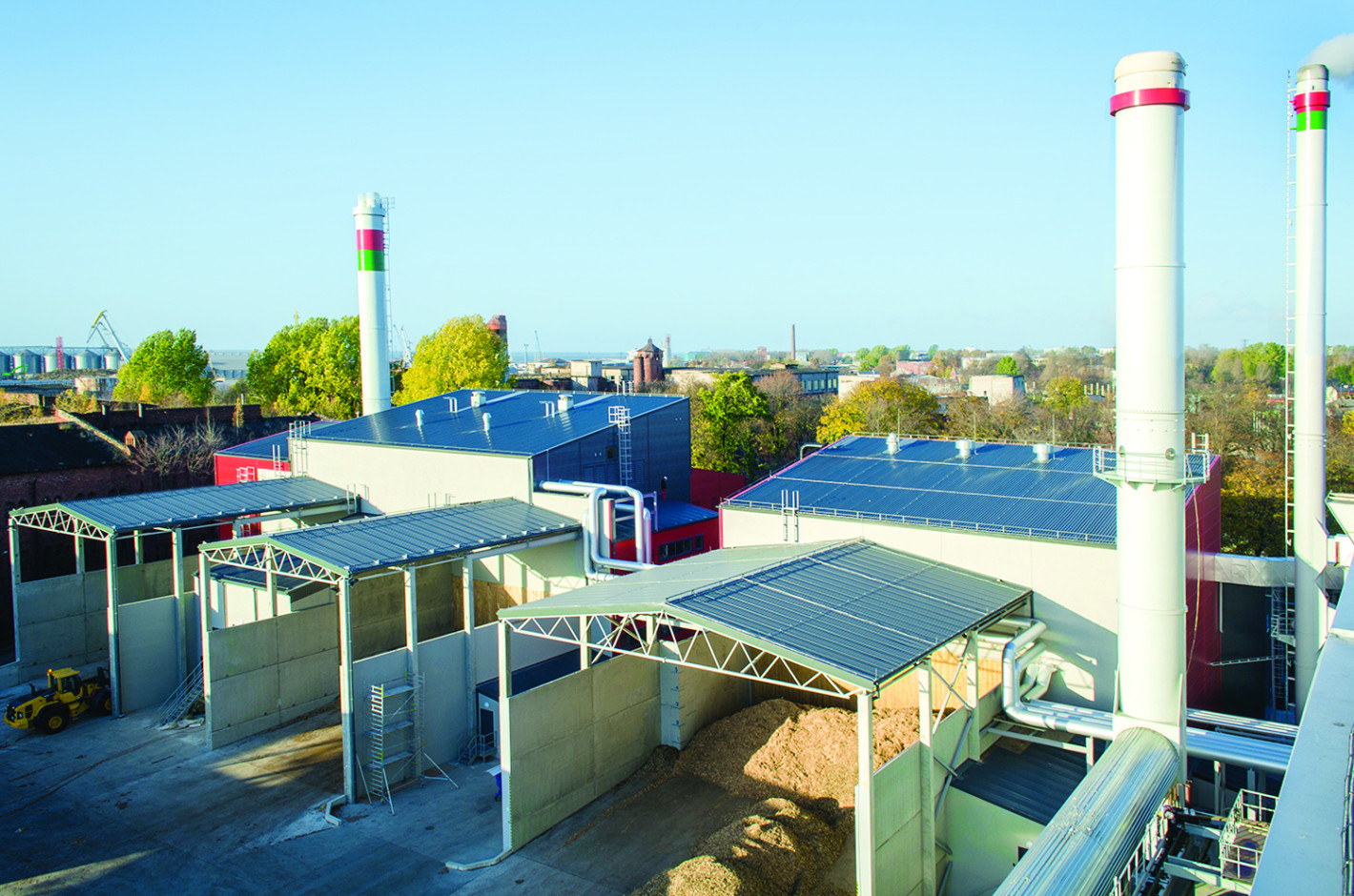
Liepājas enerģija, the primary district heating provider in the Latvian city of Liepāja, has launched a significant infrastructure project aimed at increasing the share of renewable energy resources within the city’s thermal energy production. The initiative, which aligns with broader European Union climate goals and national Latvian energy independence strategies, focuses on upgrading existing capacity to reduce reliance on fossil fuels, according to official project disclosures from the Liepāja City Council.
This transition toward sustainable heating solutions is part of a multi-year effort to modernize municipal energy systems in the Kurzeme region. By integrating more biomass and potentially other renewable alternatives into the network, Liepājas enerģija intends to stabilize long-term heating costs for residents and industrial consumers while meeting stringent environmental compliance standards. The project represents a strategic pivot for the utility company, which has historically balanced a mix of natural gas and wood chip-based heating assets to serve the city’s population of approximately 67,000 people.
Strategic Drivers for Renewable Expansion
The decision to expand renewable energy capacity in Liepāja is driven by both economic and regulatory imperatives. The European Union’s “Fit for 55” package mandates significant reductions in greenhouse gas emissions, placing pressure on municipal utilities to phase out carbon-intensive energy sources. According to the Latvian Ministry of Economics, the nation is actively incentivizing projects that shift district heating toward carbon-neutral or low-carbon fuels to mitigate the volatility of international natural gas markets.

For Liepājas enerģija, the project is not merely an environmental commitment but a risk management strategy. By increasing the efficiency and capacity of renewable-fed boilers, the company aims to insulate the local heating grid from supply chain disruptions and price spikes that have affected the Baltic energy market in recent years. Technical upgrades are expected to focus on high-efficiency biomass combustion systems, which utilize local forestry byproducts—a key sector in the Latvian economy—thereby keeping energy expenditures within the domestic cycle.
Infrastructure Upgrades and Technical Scope
The modernization plan involves the integration of advanced filtration and combustion technologies designed to maximize the heat yield from every unit of biomass processed. These upgrades are essential for maintaining the operational reliability of the city’s heating network during the peak winter months. According to the company’s operational filings, the technical scope includes the renovation of heat exchange equipment and the optimization of distribution pipelines to minimize thermal losses during transit to residential and commercial blocks.
The project is expected to be executed in phases to ensure that the city’s heating supply remains uninterrupted throughout the construction period. Engineers are prioritizing the deployment of smart-grid monitoring tools that allow for real-time adjustments to heat production based on meteorological data and actual demand. This precision is intended to decrease overall fuel consumption, further improving the cost-benefit profile of the project for end-users.
Economic Impact on Local Consumers
The shift toward renewable energy has direct implications for the stability of heating tariffs in Liepāja. While initial capital investment costs are significant, the reliance on stable, locally sourced biomass is intended to provide a hedge against the price volatility inherent in global fossil fuel markets. According to data from the Public Utilities Commission of Latvia, which regulates tariff structures, energy producers that successfully transition to renewables often see a long-term stabilization in operational costs, which can eventually be passed on to consumers as more predictable billing cycles.
Local stakeholders, including residential building managers and industrial plant operators, are closely monitoring the project’s timeline. The success of the initiative will depend on the utility’s ability to secure consistent biomass supplies and maintain the operational efficiency of the newly upgraded facilities. The transition process is monitored by state regulators to ensure that the technical improvements meet all safety and environmental mandates established under Latvian law.
Future Milestones and Regulatory Oversight
The next phase of the project involves the commissioning of updated thermal equipment and the submission of performance reports to the relevant environmental and energy regulatory bodies. These filings are required to certify that the facility meets the necessary emission thresholds for renewable energy installations. As the project progresses, updates will be provided through the municipal portal and official company announcements to keep the public informed of any potential service adjustments.
Residents and business owners interested in the progress of the heating network upgrades are encouraged to consult the official communications from the Liepāja municipality. As the utility transitions to a more sustainable model, the focus remains on balancing environmental sustainability with the necessity of providing reliable, affordable heating for the city. We invite our readers to share their thoughts on the role of municipal energy transitions in the comments section below.
Keep reading