
Vienna’s horse-drawn carriage industry, known as the Fiaker, remains subject to a strict 35-degree Celsius (95-degree Fahrenheit) heat threshold, a regulation that animal rights advocates argue fails to protect the welfare of the animals. Under current city mandates, carriage operators are permitted to continue service until temperatures reach 35 degrees Celsius in the shade at official measurement points, a policy that critics claim disregards the significantly higher temperatures experienced by horses standing on asphalt in urban heat islands.
The regulation, which has been in place since 2016, dictates that when the temperature measured at the Innere Stadt or other designated city stations hits the 35-degree mark, the Fiaker must cease operations. According to the City of Vienna’s official animal welfare guidelines, this threshold serves as the primary legal cutoff for the protection of the horses. However, animal welfare organizations, including the Wiener Tierschutzverein, have consistently lobbied for a reduction of this limit to 30 degrees Celsius, citing the physiological stress horses endure in high-heat urban environments.
The Impact of Urban Heat on Carriage Horses
The core of the debate lies in the discrepancy between official shade temperatures and the actual conditions faced by the horses. While official weather stations record temperatures in shaded areas, the street-level temperature in Vienna’s historic center—often composed of heat-absorbing stone and asphalt—can be significantly higher. Scientific research into urban heat islands indicates that surfaces in dense city centers can retain heat, creating a microclimate that exceeds ambient air temperatures reported by meteorological services.

According to the City of Vienna, carriage horses are subjected to mandatory health checks and are required to have access to water at all times. Despite these measures, critics argue that the physiological cooling mechanisms of horses are overwhelmed long before the 35-degree threshold is reached. Veterinarians have noted that horses, which do not sweat as efficiently as humans in high-humidity or stagnant-air conditions, are prone to heat exhaustion and dehydration when forced to stand in direct sunlight for extended periods.
Comparing Regulations in Austrian Cities
The approach to animal welfare in the Fiaker industry is not uniform across Austria, leading to ongoing comparisons between major tourism hubs like Vienna and Salzburg. Both cities operate under strict municipal oversight, yet the enforcement of heat-related work stoppages remains a point of contention for local activists who monitor compliance during peak summer months.
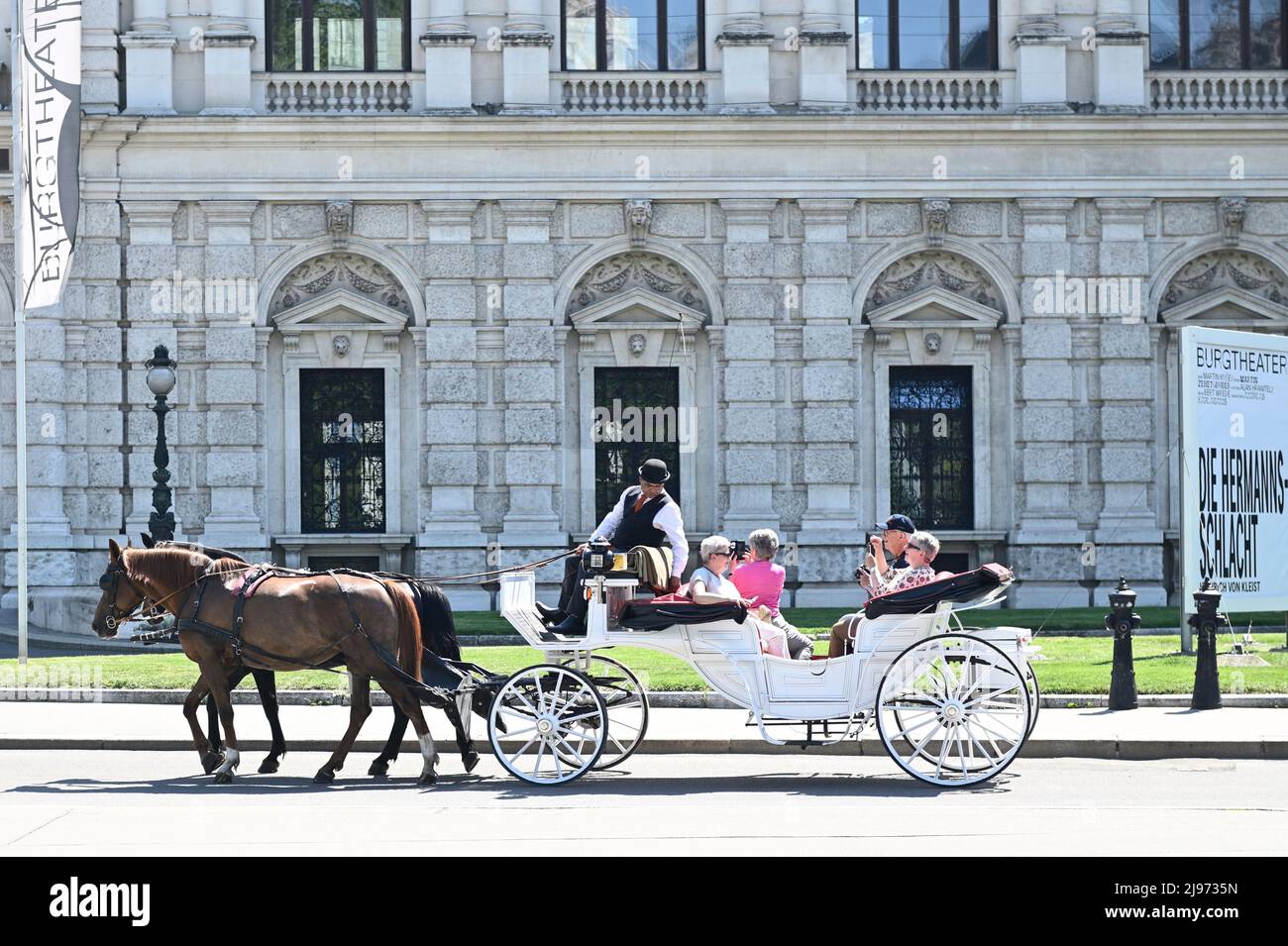
In Salzburg, municipal authorities have also faced pressure to align their equine protection standards with more stringent environmental data. While both cities utilize the 35-degree Celsius threshold as a standard, the State of Salzburg periodically reviews these guidelines in consultation with veterinary boards to ensure they reflect current animal welfare standards. The following table highlights the primary regulatory framework currently governing these operations:
| City | Heat Threshold (Shade) | Regulatory Authority |
|---|---|---|
| Vienna | 35°C | Magistratsabteilung 60 (Veterinary Services) |
| Salzburg | 35°C | Salzburg State Veterinary Department |
What Happens Next for Fiaker Regulations
The future of the Fiaker industry in Austria depends on the ongoing dialogue between city officials, tourism boards, and animal welfare advocates. There is currently no legislative motion to lower the 35-degree threshold, meaning the status quo remains in effect for the upcoming summer season. The Vienna Animal Welfare Ombudsman continues to monitor the health of the horses and the compliance of carriage companies with existing heat-stress mitigation laws.
For those interested in the official status of these regulations, the City of Vienna provides updates through the official municipal portal, where public health and environmental protection notices are posted. As climate patterns shift, stakeholders expect that the discussion regarding temperature thresholds will likely remain a fixture of local political discourse, particularly as summer heatwaves become more frequent in Central Europe.
Readers are encouraged to share their thoughts on these animal welfare policies in the comments section below or join the conversation by sharing this report on social media platforms.
Worth a look