
French President Emmanuel Macron has announced a series of targeted economic measures aimed at easing the financial burden of rising fuel costs for households, pivoting toward a diplomatic approach to energy market instability. Following the G7 summit in Évian, the administration is focusing on balancing environmental transition goals with the immediate necessity of mitigating inflation for the French public, according to official statements from the Élysée Palace.
The announcement underscores the government’s strategy to address the volatility in global energy prices that has directly impacted consumers at the pump. By prioritizing diplomatic engagement with energy-producing nations and implementing temporary relief mechanisms, the French government seeks to stabilize domestic purchasing power without abandoning its long-term climate commitments, as reported by the French Presidency.
Addressing Energy Inflation and Consumer Relief
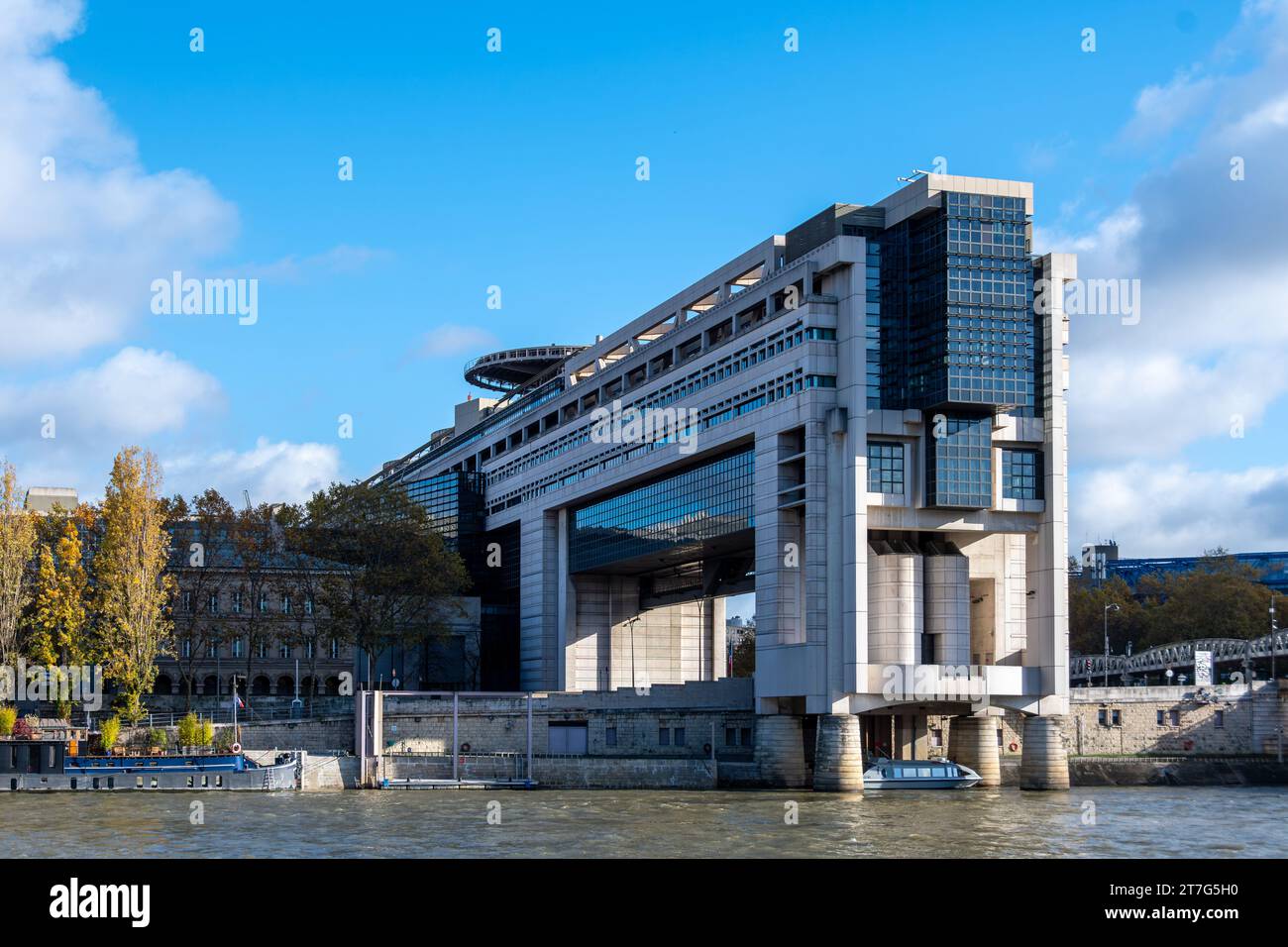
The primary driver for the current policy shift is the persistent fluctuation in global oil and gas markets, which has left many French households facing increased costs for daily transportation and heating. President Macron has emphasized that the government will monitor price developments closely to determine the necessity of further interventions, including potential fuel tax adjustments or direct subsidies for low-income commuters, according to data provided by the French Ministry of the Economy.
The strategy involves a two-pronged approach: strengthening international cooperation to increase oil supply transparency and providing localized financial support to prevent energy poverty. This dual focus is designed to alleviate the pressure on the middle class while maintaining the structural integrity of France’s economic policy. Officials have noted that these measures are intended to be temporary, serving as a buffer against external market shocks rather than a permanent restructuring of energy taxation.
The Role of Diplomatic Engagement
Diplomacy remains the cornerstone of the French administration’s response to the current energy climate. By leveraging its position within the G7 and the European Union, Paris is advocating for a more coordinated global response to energy security, according to reports from the Reuters Energy desk. The objective is to secure stable supply chains that reduce the reliance on volatile regions, thereby insulating the French economy from sudden price spikes.

During recent discussions at the G7 summit, the French delegation pushed for increased transparency in energy markets to curb speculative pricing. This approach aligns with the administration’s broader goal of fostering sustainable economic growth. By engaging directly with producers and international partners, the government aims to create a predictable environment for both businesses and consumers, a move that has been welcomed by various industry stakeholders as a necessary step toward market stabilization.
Balancing Climate Goals and Economic Stability
A significant challenge for the Macron administration is reconciling its ambitious “green transition” agenda with the immediate demands of citizens facing high energy costs. While the government remains committed to its carbon-neutrality targets, the current focus on fuel price relief reflects a pragmatic understanding of the socio-economic pressures facing the population. According to the Ministry of Ecological Transition, the government is exploring ways to incentivize the shift toward cleaner transport while ensuring that lower-income households are not disproportionately penalized by rising fuel prices.
This balancing act is critical to maintaining public support for environmental policies. By providing targeted relief, the government hopes to ensure that the transition to a sustainable economy does not exacerbate existing inequalities. The current policy framework is expected to undergo regular reviews to ensure that it remains responsive to the evolving economic landscape and the specific needs of vulnerable demographics.
Looking Ahead: Next Steps for Energy Policy
The government is expected to release a comprehensive report on the effectiveness of these relief measures in the coming months, which will inform subsequent legislative adjustments. Stakeholders are encouraged to follow official updates through the official government portal for the latest information on subsidies, tax credits, and energy policy shifts. The administration has committed to transparency throughout this process, with further parliamentary debates anticipated to address the long-term sustainability of the current fuel price mitigation efforts.

As the situation develops, the effectiveness of these diplomatic and economic interventions will be measured against global market trends and domestic inflation indicators. The next phase of policy implementation will likely focus on energy independence and the integration of renewable sources to reduce overall dependency on imported fossil fuels. We invite our readers to share their perspectives on these developments in the comments section below.