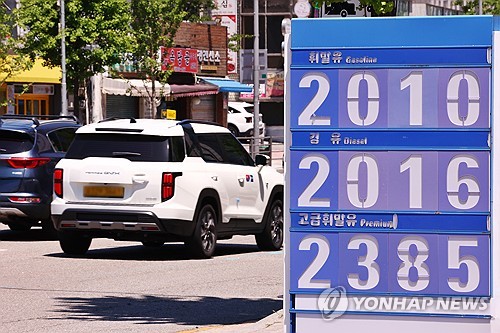
South Korean gasoline prices have recorded a decline for five consecutive weeks, with the national average price for standard gasoline hovering in the 2,009 won per liter range as of the most recent reporting period. This downward trend, tracked by the Korea National Oil Corporation’s Opinet system, reflects a broader easing in domestic retail fuel costs, though consumers continue to see prices remain above the psychological threshold of 2,000 won per liter.
Drivers of Recent Fuel Price Declines
The consistent dip in pump prices is primarily attributed to a stabilization in international oil markets. According to data provided by the Ministry of Trade, Industry and Energy, the price of refined petroleum products in South Korea typically follows international benchmark indices with a two-to-three-week lag. As global crude prices have moderated due to shifting supply chain dynamics and fluctuations in production quotas among OPEC+ nations, these lower costs have gradually filtered down to local gas stations.
Market analysts note that while geopolitical tensions—particularly in the Middle East—often introduce volatility, the current supply environment has remained sufficiently stable to support this five-week cooling period. However, the retail price of 2,009 won remains elevated compared to historical averages, influenced by domestic tax structures and the ongoing costs associated with regional distribution and logistics.
Why Prices Remain Above 2,000 Won
Despite the consecutive weekly drops, the national average for gasoline has yet to break below the 2,000 won barrier. Economic experts point to several structural factors that keep prices rigid. First, the Ministry of Economy and Finance maintains specific fuel tax policies that, while periodically adjusted to provide relief, still constitute a significant portion of the final price paid by consumers at the pump.

Furthermore, the exchange rate between the South Korean won and the U.S. dollar plays a critical role. Because oil is traded globally in U.S. dollars, a strong dollar can negate the benefits of falling crude prices for South Korean importers. As of recent financial reports, the currency exchange environment continues to exert upward pressure on import costs, preventing retail prices from falling as sharply as global crude benchmarks might suggest.
Consumer Impact and Market Outlook
For the average commuter and logistics operator, the persistent cost of fuel above 2,000 won per liter continues to impact household budgets and corporate operating margins. While the weekly declines provide some relief, the lack of a decisive break below the 2,000 won mark has led to ongoing discussions regarding the effectiveness of current government fuel tax cuts.
The government of South Korea has periodically implemented temporary fuel tax reductions to mitigate the burden on consumers. These measures are monitored by the Korea National Oil Corporation, which provides daily updates on price fluctuations across different regions, allowing consumers to compare costs through the Opinet platform. The speed at which retail prices will reach sub-2,000 won levels remains contingent on both international crude price stability and the continuation or adjustment of these fiscal relief measures.
Monitoring Future Price Changes
Consumers looking to track the most accurate, real-time pricing for their specific region can utilize the Opinet official website or mobile application. This tool is the primary source for verified, station-by-station data in South Korea. As the market moves into the next quarter, analysts will be watching for signs of supply chain disruptions or sudden shifts in global oil demand that could alter the current downward trajectory.

The next major update regarding domestic fuel tax policy adjustments is expected following the upcoming ministerial briefing on energy markets. We encourage our readers to share their experiences with local fuel costs in the comments section below and stay tuned for further updates as new economic data becomes available.
Worth a look