
Advocates for disability rights are calling for a fundamental shift in legislative priorities to ensure the recognition, care, and dignity of individuals living with severe disabilities. A recent policy document emphasizes that the quality of rehabilitation services and the preservation of human dignity are directly determined by specific legislative and normative choices made by governing bodies.
The push for improved standards focuses on the critical link between healthcare policy and the functional independence of people with severe impairments. According to the proposals, rehabilitation must be treated not as an optional medical service, but as a fundamental right essential for social inclusion and the upholding of human dignity.
This movement highlights a growing concern among health experts and disability advocates regarding the consistency of care provided to those with the most complex needs. As healthcare systems face increasing pressure, the core argument remains that legislative decisions regarding funding, access, and multidisciplinary support are the primary drivers of patient outcomes.
How legislative choices impact rehabilitation access
The core of the current advocacy rests on the principle that every regulatory decision has a direct impact on the lived experience of people with severe disabilities. This includes how healthcare budgets are allocated, how rehabilitation centers are accredited, and how medical professionals are trained to handle complex, long-term care scenarios.
When legislative frameworks prioritize short-term cost savings over long-term rehabilitative investment, the consequences often manifest in decreased functional independence for patients. Experts note that inadequate funding for specialized rehabilitation can lead to secondary health complications, increased caregiver burden, and higher long-term costs for the state. By contrast, robust legislative support for early and intensive rehabilitation can improve a patient’s ability to participate in community life, potentially reducing the need for intensive institutional care later in life.
Effective policy must also address the “fragmentation of care,” a term used by health policy analysts to describe the disconnect between medical diagnosis, rehabilitative therapy, and social support services. A unified legislative approach aims to bridge these gaps, ensuring that a patient’s transition from acute medical care to community-based rehabilitation is seamless and continuous.
The intersection of dignity and medical rehabilitation
In the context of severe disability, dignity is often inextricably linked to the ability to exercise autonomy and participate in society. Medical rehabilitation plays a central role in this process by focusing on maximizing a person’s functional abilities and adapting their environment to their needs.
For individuals with severe neurological or physical impairments, rehabilitation is not merely about physical movement; it involves cognitive, communicative, and psychological support. The goal is to provide the tools necessary for self-determination. When rehabilitation services are insufficient, individuals may face a loss of agency, which is a direct affront to the concept of human dignity.
Medical professionals emphasize that dignity-centered care requires a multidisciplinary approach. This includes:
- Physical Therapy: To improve mobility and prevent secondary physical deterioration.
- Occupational Therapy: To adapt daily activities and promote independence in personal care.
- Speech and Language Therapy: To facilitate communication, which is essential for expressing needs and exercising rights.
- Psychological Support: To assist both the individual and their family in navigating the complexities of severe disability.
The shift from medical to social models of disability
A significant component of the call for recognition and care is the ongoing transition from the “medical model” to the “social model” of disability. Understanding this distinction is critical for policymakers and healthcare providers alike.

The medical model views disability as a deficit or a “problem” located within the individual that needs to be “fixed” through medical intervention. While medical treatment is vital, an exclusive focus on this model can inadvertently strip individuals of their agency, treating them as passive recipients of care rather than active citizens.
In contrast, the social model posits that disability is caused by the way society is organized. From this perspective, a person is disabled not just by their impairment, but by barriers in the environment, such as inaccessible buildings, lack of assistive technology, or discriminatory attitudes. Recognition and dignity, therefore, require society to remove these barriers through inclusive design and equitable policy.
By integrating both models, healthcare systems can provide the necessary medical rehabilitation while simultaneously advocating for the social changes required for true inclusion. This dual approach ensures that a person is supported both biologically and socially.
Global standards and the right to health
The demand for improved care for those with severe disabilities is grounded in international human rights law, most notably the United Nations Convention on the Rights of Persons with Disabilities (UNCRPD). This treaty mandates that states ensure persons with disabilities enjoy the highest attainable standard of health without discrimination.
Under the UNCRPD, the right to health includes access to services that are as close as possible to the individual’s own communities. This principle challenges the historical tendency toward large-scale institutionalization, advocating instead for community-based support systems that allow for greater autonomy and social connection.
Furthermore, the convention emphasizes the importance of “accessibility” as a prerequisite for health. This includes physical access to clinics, as well as information accessibility, ensuring that individuals with sensory or cognitive impairments can understand and participate in their own healthcare decisions.
Comparison of care approaches
| Feature | Institutional/Medical-Centric Model | Community/Social-Centric Model |
|---|---|---|
| Primary Goal | Symptom management and stabilization | Autonomy and social participation |
| Setting | Large-scale hospitals or institutions | Home and community-based services |
| Patient Role | Passive recipient of treatment | Active participant in decision-making |
| Legislative Focus | Clinical standards and bed capacity | Accessibility, rights, and social inclusion |
Why effective rehabilitation matters for society
Investing in the rehabilitation and dignity of people with severe disabilities is often framed as a social cost, but economic and sociological data suggest otherwise. When rehabilitation services are robust, the positive externalities for society are significant.
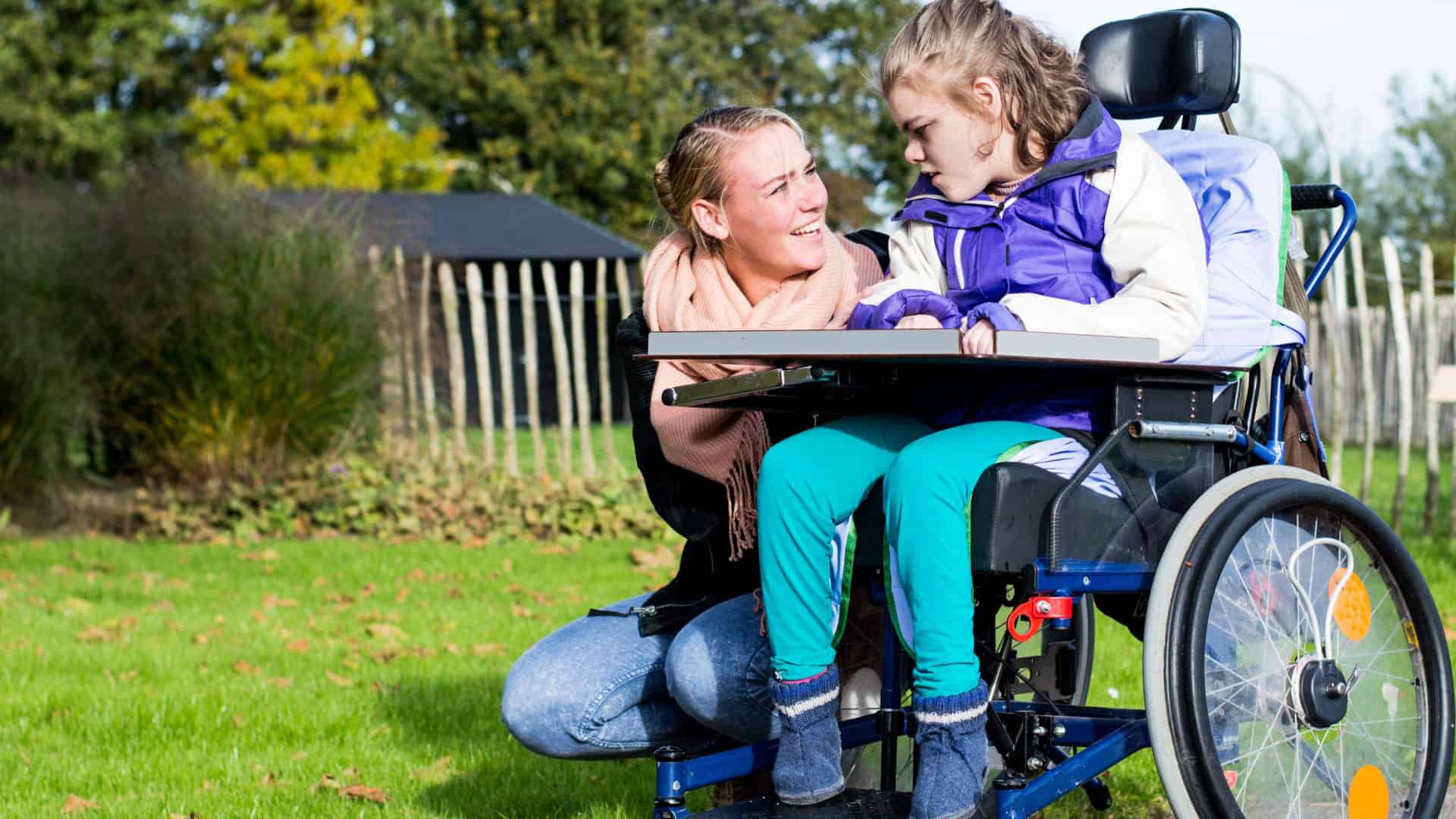
First, effective rehabilitation can reduce the long-term economic burden on public health systems. By preventing secondary complications—such as pressure sores, respiratory infections, or muscle atrophy—intensive early intervention can lower the frequency of emergency hospitalizations.
Second, supporting the independence of people with disabilities allows for greater participation in the workforce and the economy, where possible. Even in cases where full-time employment is not feasible, the ability to engage in community life, volunteerism, and local commerce contributes to social cohesion and economic vitality.
Finally, there is the impact on caregivers. Families of individuals with severe disabilities often face significant psychological and financial strain. Policy interventions that provide professional rehabilitation and respite care support can prevent caregiver burnout, which is a major driver of health crises within the family unit.
Key Takeaways for Policy and Care
- Legislative Impact: Normative choices regarding funding and regulation directly determine the quality and accessibility of rehabilitation.
- Dignity through Autonomy: Rehabilitation must focus on maximizing independence and self-determination to uphold human dignity.
- Multidisciplinary Necessity: Comprehensive care requires a coordinated effort between physical, cognitive, and psychological specialists.
- Social Model Integration: True inclusion requires removing environmental and systemic barriers, not just treating medical impairments.
- Human Rights Framework: International standards, such as the UNCRPD, mandate community-based, accessible, and non-discriminatory healthcare.
The next major checkpoint in this advocacy will be the upcoming review of national healthcare budget allocations and the scheduled legislative hearings regarding disability support frameworks. These sessions will determine the practical application of the principles of recognition, care, and dignity in the coming fiscal year.
We invite our readers to share their perspectives on healthcare accessibility and disability rights in the comments below. Please share this article to help raise awareness for these critical issues.
Keep reading