
The Obama Presidential Center: A Look at the Developing Landmark in Chicago’s Jackson Park
The Obama Presidential Center is currently under construction in Chicago’s Jackson Park, serving as a future hub for leadership, community engagement, and historical preservation. While development continues, the Obama Foundation has established the site as a central component of the South Side’s urban evolution, with the full museum and campus expected to open to the public in the coming years.
Construction of the center, which is being funded primarily through private donations via the Obama Foundation, represents one of the most significant cultural and architectural undertakings in recent Chicago history. The project aims to create a space that transcends the traditional presidential library model by integrating community-focused programming with the study of global leadership.
Located within the historic Jackson Park, the center is designed to act as a bridge between the legacy of the 44th President, Barack Obama, and the future of the South Side community. As the site transitions from a construction zone to a public landmark, the project remains a focal point for discussions regarding urban development, economic equity, and environmental stewardship in Chicago.
What is the current construction status of the Obama Presidential Center?
As of recent updates from the Obama Foundation, the project is in an active phase of construction and site preparation. Unlike traditional government-funded federal buildings, the center is a private initiative, which allows the Foundation to manage its own timeline and development phases. The project involves the construction of a massive museum, community spaces, research facilities, and expansive public gardens.
The foundation has emphasized that the site will not be a closed-off institution but rather an extension of the park itself. According to project timelines and site reports, various stages of the structural build are progressing, with the goal of creating a seamless flow between the indoor museum spaces and the outdoor landscapes of Jackson Park. The Foundation has noted that the development process includes ongoing environmental monitoring to comply with city and federal regulations regarding the historic parkland.
For visitors looking to engage with the project today, the site is not yet open for full museum tours. However, the Foundation frequently provides digital updates and community engagement opportunities to keep the public informed of progress. The physical site remains a restricted construction zone to ensure safety and adherence to the complex architectural blueprints provided by the design team.
How will the architectural design shape Jackson Park?
The architectural vision for the Obama Presidential Center was led by Jeanne Gang and her firm, Studio Gang. The design philosophy centers on “connectivity,” aiming to avoid the imposing, fortress-like structures often associated with monumental public buildings. Instead, the center utilizes a series of pavilions and interconnected walkways that mimic the natural flow of the surrounding parkland.
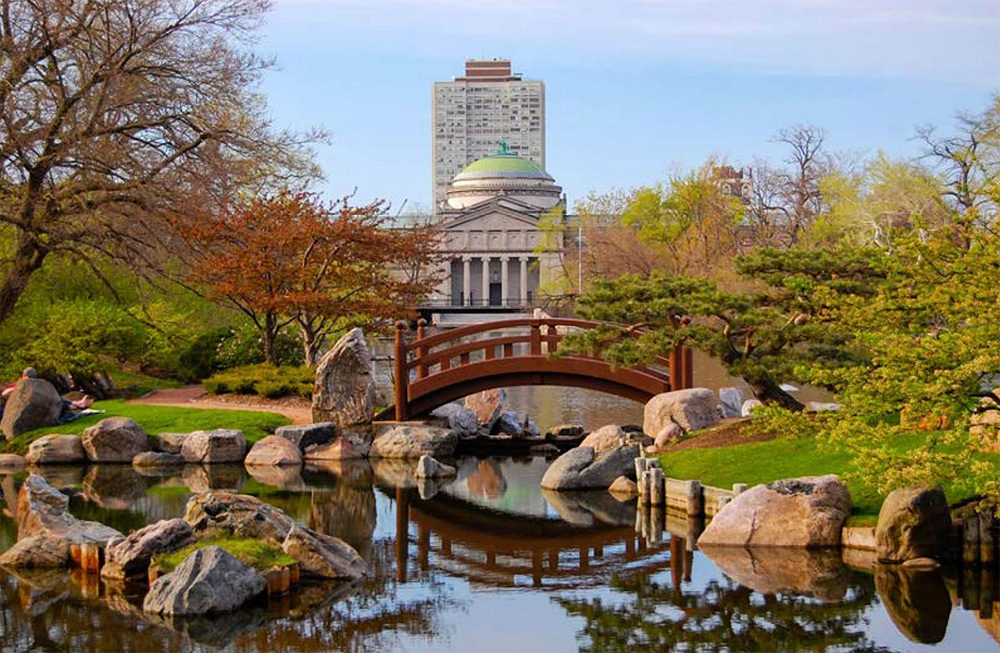
Jeanne Gang’s design incorporates several key elements intended to harmonize with the environment:
- Integrated Landscapes: Rather than clearing large swaths of land, the design seeks to weave the buildings into the existing topography of Jackson Park.
- Open Pavilions: The use of glass and open-air structures is intended to make the museum feel accessible and transparent, rather than exclusionary.
- Sustainable Materials: The construction utilizes materials and methods aimed at reducing the long-term carbon footprint of the facility, aligning with the Foundation’s environmental goals.
The design also pays homage to the history of Jackson Park, which was originally designed by Frederick Law Olmsted and Calvert Vaux for the 1893 World’s Columbian Exposition. By using organic shapes and natural light, Studio Gang intends to create a dialogue between the 19th-century park design and 21st-century civic architecture. This approach is intended to mitigate the visual impact of the large-scale structures on the historic landscape.
What economic impact is expected for Chicago’s South Side?
The Obama Foundation and various economic development analysts suggest that the center will serve as a significant catalyst for economic activity in Chicago’s South Side. The project is expected to generate hundreds of construction jobs and, once operational, permanent positions in museum management, education, hospitality, and facility maintenance.
Beyond direct employment, the center is projected to drive “ancillary economic growth.” This includes increased foot traffic for local small businesses, such as restaurants, retail shops, and service providers in the surrounding neighborhoods. The Foundation has stated its commitment to local hiring initiatives, aiming to ensure that the economic benefits of the center are felt directly by the residents of the South Side.
However, economists and community organizers have noted that the scale of this development brings complex challenges. While the influx of tourists and visitors can boost local revenue, there are concerns regarding “economic displacement.” As the area becomes more desirable due to the landmark, there is a risk of rising property values and rents, which could potentially pressure long-term residents and small businesses. To address this, the Foundation and city officials have been involved in discussions regarding community benefits and sustainable growth models.
The following table compares the traditional presidential library model with the proposed Obama Presidential Center model, based on the Foundation’s stated objectives:
| Feature | Traditional Presidential Library | Obama Presidential Center |
|---|---|---|
| Primary Focus | Archival preservation and history | Leadership, community, and civic engagement |
| Community Integration | Often a standalone, academic campus | Integrated into public parkland and local neighborhoods |
| Funding Source | NARA (National Archives) & Private | Primarily private (Obama Foundation) |
| Programming | Historical exhibits and research | Community workshops, leadership training, and public art |
Why has the project faced community opposition?
Despite the projected economic benefits, the development of the Obama Presidential Center has not been without significant controversy. Much of the opposition has centered on the use of Jackson Park, a historic public space, for a large-scale institutional project. Community groups and environmental advocates have raised several key concerns:
1. Land Use and Public Space: Critics argue that the construction occupies significant portions of a public park that belongs to all Chicagoans. There are concerns that the “privatization” of parkland for a foundation-led project diminishes the utility of the space for local residents who use the park for recreation.
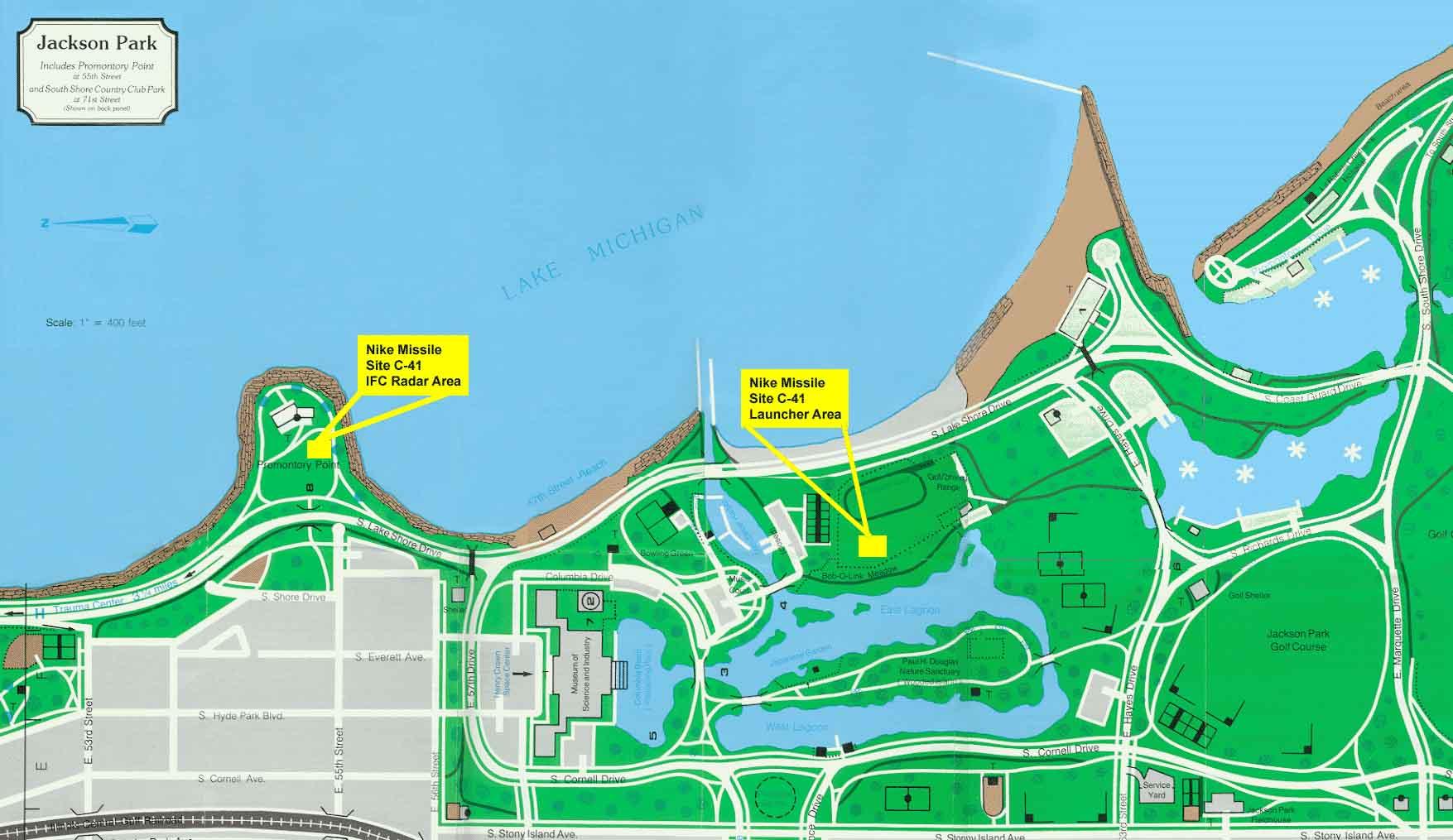
2. Environmental Impact: Environmental activists have raised questions about the impact of construction on the park’s ecosystem, including the potential disruption of local wildlife and the management of water runoff within the Jackson Park area. The scale of the project has led to calls for more rigorous environmental impact studies and mitigation strategies.
3. Gentrification and Displacement: As previously mentioned, the prospect of rapid economic development in the South Side has sparked fears of gentrification. Residents have expressed concern that the center could inadvertently accelerate the displacement of low-income families and minority-owned businesses as the neighborhood’s demographic and economic profile shifts.
In response to these concerns, the Obama Foundation has engaged in a series of community listening sessions and has worked to establish community benefit agreements. These efforts are intended to ensure that the project provides tangible advantages—such as job training and local investment—to the immediate vicinity, rather than merely serving as a destination for outside visitors.
What will the museum experience include?
While the specific exhibits are still being finalized, the Obama Foundation has outlined a vision for a museum that is interactive and multi-dimensional. The goal is to move beyond a chronological retelling of Barack Obama’s presidency and instead focus on the broader themes of his life and the principles of leadership.
The museum is expected to feature:
- Oral Histories: A collection of stories from diverse voices that reflect the global impact of the Obama administration and the lived experiences of people around the world.
- Interactive Leadership Labs: Spaces designed for students and young professionals to engage in civic training and leadership development.
- Archival Collections: A curated look at the documents, artifacts, and media that defined the Obama presidency and the broader political era.
- Cultural Programming: Rotating exhibits that celebrate art, music, and culture, reflecting the diverse heritage of the South Side and the global community.
The museum’s mission is to inspire “the next generation of leaders,” which explains the heavy emphasis on educational and participatory spaces rather than static displays. This approach aligns with the Foundation’s broader goal of fostering global citizenship and community-driven change.
The next major milestone for the project will be the completion of key structural phases and the subsequent commencement of interior fit-outs. Detailed updates regarding the specific opening date and public tour availability are expected to be released by the Obama Foundation as construction reaches its final stages. For the most current information on project milestones and community engagement opportunities, residents and interested parties are encouraged to monitor official communications from the Obama Foundation.
What are your thoughts on the impact of this new landmark on Chicago’s South Side? Share your views in the comments below and share this article with your network.
- The Most Affordable SUVs in Argentina: Complete Ranking Changes and New Prices
- Stunning Finalists of the 2026 Ocean Photographer of the Year Awards
- Ebola Outbreak in DR Congo on Track to Surpass Historic West African Crisis (time.news)
- Historic Albany Foundation Nears Completion of Landmark Rehab (news-usa.today)