
Ships intending to transit the Strait of Hormuz must now submit online applications at least 48 hours before arrival, according to new regulations announced by the Persian Gulf Strait Authority (PGSA). The Iranian agency, established to manage maritime traffic through the critical waterway, issued the notification on the 19th to formalize the digital registration process for all passing vessels.
The move marks a transition toward centralized digital oversight for one of the world’s most sensitive maritime chokepoints. By requiring a mandatory 48-hour window for registration, the PGSA aims to streamline the monitoring of vessel movements, cargo details, and transit schedules within the Persian Gulf and the Strait of Hormuz.
What are the new requirements for Strait of Hormuz transit?
Under the new protocols established by the PGSA, maritime operators can no longer rely on traditional or informal communication methods to coordinate passage through the strait. The agency has mandated that all vessels must complete a formal application through an online platform. This digital submission must be finalized no later than 48 hours prior to the vessel’s scheduled entry into the regulated zone.
The PGSA’s announcement indicates that this system is designed to provide the Iranian government with enhanced data regarding the identity and intent of ships navigating the passage. While specific technical details regarding the online portal’s interface have not been widely distributed to international shipping registries, the 48-hour rule is now the primary operational requirement for all transit attempts.
The strategic importance of the Strait of Hormuz
The Strait of Hormuz serves as a vital artery for the global economy, connecting the Persian Gulf with the Gulf of Oman and the Arabian Sea. It is widely recognized by maritime analysts and energy experts as a primary chokepoint for the global oil supply. A significant portion of the world’s liquefied natural gas (LNG) and crude oil passes through this narrow passage daily.
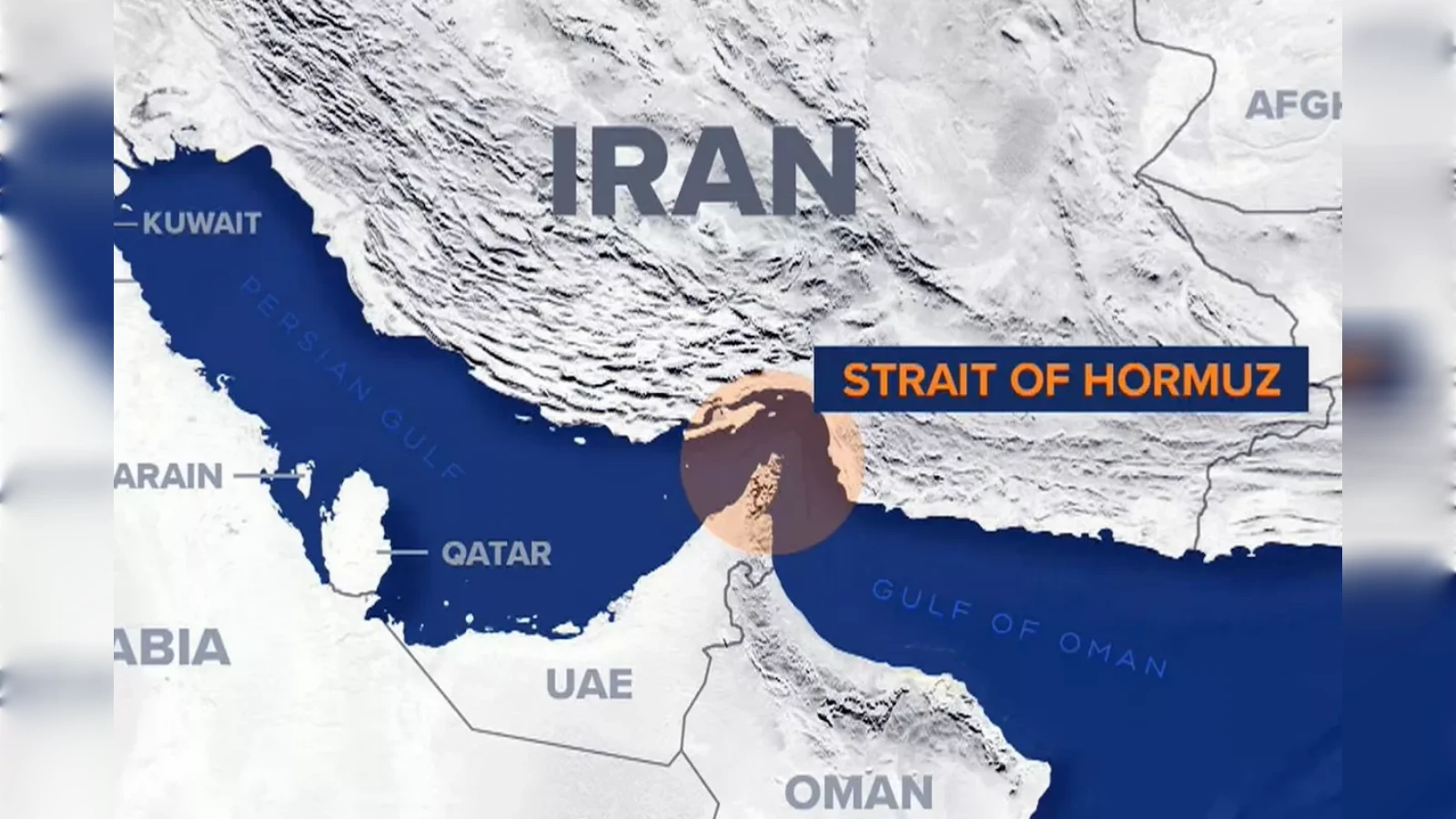
Because of the high volume of energy commodities moving through the strait, any changes in transit protocols or perceived increases in maritime regulation can have immediate effects on international markets. The concentration of global energy transit in such a restricted geographic area makes the regulatory environment of the Strait of Hormuz a matter of concern for international shipping companies and global energy security planners.
Why the shift to digital maritime management matters
The transition from manual or decentralized reporting to a mandatory online system represents a significant shift in how Iran manages its maritime borders and transit corridors. This change can be viewed through several operational and geopolitical lenses:
- Increased Oversight: Digital registration allows for the collection of standardized data, making it easier for authorities to track vessel patterns and identify unauthorized movements.
- Administrative Control: By centralizing the application process, the PGSA establishes itself as the primary gatekeeper for transit through the strait, potentially reducing the influence of third-party maritime coordinators.
- Logistical Predictability: For the PGSA, the 48-hour window provides a buffer to process documentation and manage the flow of traffic, though it introduces new requirements for vessel operators.
Historically, maritime transit in the Persian Gulf has been subject to various layers of regulation and security monitoring. The formalization of these rules through a specific authority like the PGSA suggests an effort to institutionalize and automate the management of these waters.
Potential impacts on global shipping and energy markets
The implementation of mandatory 48-hour online registration introduces several variables for the international shipping industry. Marine logistics companies must now integrate these requirements into their voyage planning to avoid costly delays or potential legal complications in the region.
Increased Lead Times and Scheduling Complexity
Vessel operators will need to adjust their departure and arrival windows to account for the mandatory registration period. Failure to comply with the 48-hour rule could result in vessels being denied entry or held in transit, which could disrupt complex supply chains and just-in-time delivery models for energy products.
Compliance and Documentation Accuracy
The move to an online-only system places a higher premium on the accuracy of digital documentation. Any discrepancies in the information provided during the online application—such as vessel manifests, crew lists, or cargo descriptions—could lead to increased scrutiny or inspections by maritime authorities.
Market Volatility and Risk Premiums
Changes in the ease of transit through the Strait of Hormuz often influence the “risk premium” applied to oil prices. While the PGSA describes the move as a management tool, maritime security analysts frequently monitor such regulatory shifts for signs of increased regional tension, which can lead to fluctuations in shipping insurance rates and energy costs.
Comparison of Transit Management Models
To understand the significance of this development, it is helpful to compare the current regulatory environment with standard international maritime practices.

| Feature | Standard International Transit | New PGSA Protocol |
|---|---|---|
| Primary Method | AIS (Automatic Identification System) tracking | Mandatory Online Application |
| Notification Window | Real-time/Continuous tracking | Minimum 48 hours in advance |
| Regulatory Focus | Safety and collision avoidance | Administrative and transit management |
Frequently Asked Questions
How long before arrival must a ship register for transit?
According to the PGSA, all vessels must submit their online application at least 48 hours before they intend to pass through the Strait of Hormuz.
Which agency is responsible for these new rules?
The rules are being managed and enforced by the Persian Gulf Strait Authority (PGSA), an agency established by the Iranian government.
Is the application process digital?
Yes, the PGSA has announced that the application process is conducted online to manage transit through the strait.
The international maritime community, including major shipping conglomerates and energy regulators, continues to monitor the implementation of these new digital protocols. Further technical guidance regarding the PGSA’s online portal and specific documentation requirements is expected as the system becomes fully operational.
Stay informed on global maritime security and energy news. Share this article or leave your comments below to join the discussion.
Related reading