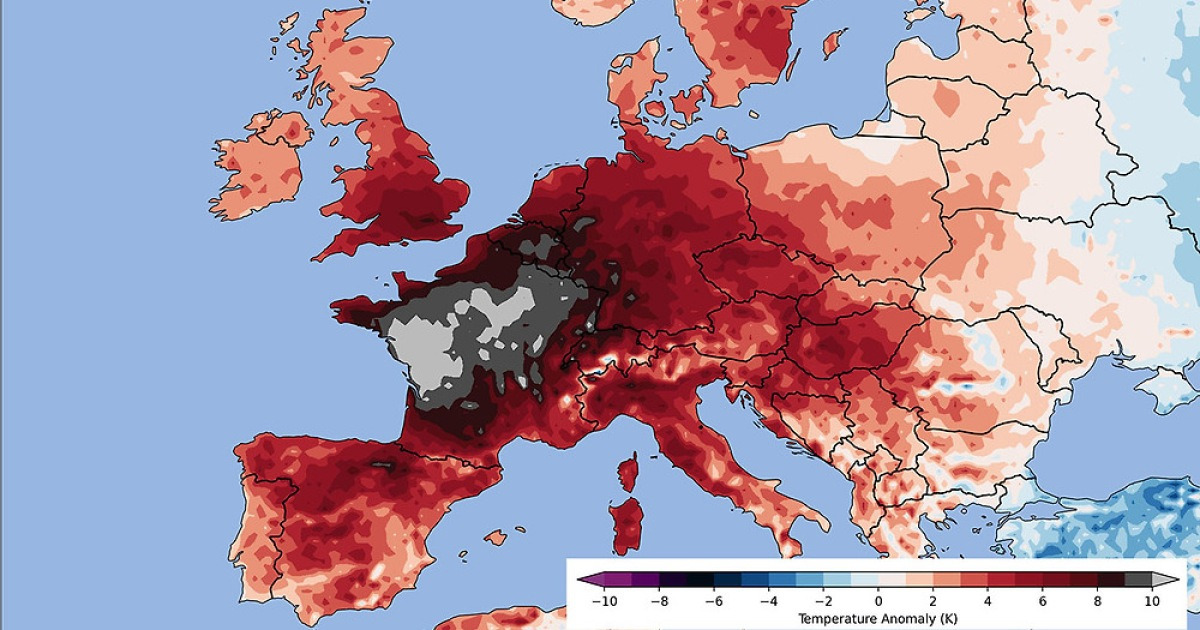
Record-breaking heat waves are increasingly impacting Europe, with early-summer temperatures in parts of the continent reaching levels significantly higher than historical averages. Meteorological data indicates that regions across Western and Southern Europe are experiencing thermal anomalies that experts link to broader atmospheric circulation patterns and long-term climatic shifts.
As the World Editor for World Today Journal, I have tracked these recurring climate events across the continent. While June is traditionally a period of mild transition into the summer months, recent years have seen a shift toward more frequent, intense, and earlier heat events. Understanding why these temperatures are surging requires looking at both the immediate meteorological conditions and the underlying environmental context.
The Meteorological Drivers of European Heat
The intensity of recent heat waves in Europe is often driven by “heat domes”—high-pressure systems that trap hot air over a specific region for extended periods. According to the Copernicus Climate Change Service, these systems prevent the normal movement of cooler air masses, causing temperatures to climb steadily over several days. When these systems originate from North Africa, they pull exceptionally warm, dry air into the European continent, leading to the rapid spikes reported by local weather agencies.

Meteorologists frequently point to the “omega block” pattern as a primary culprit. This atmospheric configuration creates a stationary high-pressure ridge flanked by two lower-pressure systems, effectively locking the heat in place. The European Centre for Medium-Range Weather Forecasts (ECMWF) regularly monitors these anomalies, noting that even small deviations in jet stream behavior can lead to significant temperature departures from the 30-year climate norm.
Shifting Climate Norms and Human Impact
The frequency of these events has changed the landscape for public health and infrastructure management. Data from the European Environment Agency suggests that heat-related mortality rates are rising, particularly among vulnerable populations in urban centers where the “urban heat island” effect exacerbates nighttime temperatures. Unlike in the past, where heat waves were largely confined to late July or August, June events are becoming a recognized, if concerning, feature of the European calendar.

Governments are responding with updated heat-health action plans. These initiatives include the implementation of “cool zones,” expanded access to hydration, and refined alert systems designed to protect residents during extreme weather. The World Health Organization (WHO) Regional Office for Europe emphasizes that proactive communication and early warning systems are essential to reducing the public health burden of these increasingly common thermal extremes.
Infrastructure and Economic Resilience
Beyond human health, critical infrastructure is under significant stress. High temperatures affect energy grid stability, as demand for air conditioning increases while power generation efficiency can decline. According to reports from the International Energy Agency, the transition toward renewable energy sources is being tested by these weather patterns, necessitating investments in grid modernization and energy storage solutions to ensure reliability during peak demand.
Agriculture also faces distinct challenges. Prolonged periods of extreme heat, often accompanied by drought, can lead to significant crop failure and water shortages. The European Commission has highlighted the need for adaptive agricultural practices, such as the use of drought-resistant crop varieties and improved water management systems, to maintain food security in an era of unpredictable climate variability.
What Happens Next
As we move through the summer season, meteorological agencies continue to refine their long-range forecasting models to improve the accuracy of extreme weather predictions. The next update on seasonal climate trends is expected from the Copernicus Climate Change Service, which provides monthly analysis of global and regional temperature shifts.
For residents, the most effective way to stay informed is through local civil protection services and national meteorological offices, which issue localized warnings based on real-time data. Staying hydrated, limiting outdoor activity during peak hours, and checking on neighbors remain the primary recommendations from public health authorities. We welcome your observations on how these weather changes are affecting your region; please share your thoughts in the comments section below.
Worth a look