
The Mars Atmosphere and Volatile Evolution (MAVEN) spacecraft, a critical asset in NASA’s Mars Exploration Program, is transitioning into a new phase of its mission as the agency optimizes its planetary science portfolio. Since its arrival at the Red Planet in 2014, MAVEN has provided essential data on how Mars lost its atmosphere, transforming from a potentially habitable world into the arid, cold environment observed today. While the spacecraft remains operational, NASA’s shifting budgetary priorities and the evolving needs of the Mars fleet have necessitated a reduction in its scientific operations, a move that highlights the decade-long success of this atmospheric study.
According to NASA’s official mission updates, the decision to refine MAVEN’s operations follows ten years of continuous data collection. The spacecraft, which orbits Mars in an elliptical path, has been instrumental in identifying the mechanisms behind solar wind stripping, a process where high-energy particles from the sun gradually erode the Martian upper atmosphere. By studying the interaction between the solar wind and the planet’s magnetic field—or lack thereof—researchers have gained a clearer understanding of the timeline for Mars’ climate evolution.
Why MAVEN Changed Our Understanding of Mars
Before MAVEN’s deployment, the scientific community primarily relied on surface-level data from rovers and limited orbital observations. MAVEN provided the first comprehensive view of the Martian upper atmosphere, ionosphere, and their interactions with the sun. As detailed in reports from the Laboratory for Atmospheric and Space Physics (LASP) at the University of Colorado Boulder, which manages the mission’s science operations, the probe successfully mapped the distribution of gases in the atmosphere. This data confirmed that the escape of volatile elements, such as oxygen and hydrogen, occurred primarily due to solar activity, effectively “drying out” the planet over billions of years.

This mission also served as a communications relay for surface missions, including the Curiosity and Perseverance rovers. By acting as a data bridge, MAVEN allowed for higher volumes of scientific information to be transmitted back to Earth, proving that orbital assets are as vital to exploration as the hardware on the ground. Its longevity has allowed scientists to observe the Martian atmosphere across multiple solar cycles, providing a dataset that is unprecedented in planetary science.
Operational Adjustments and Future Outlook
The transition for MAVEN is part of a broader strategy by NASA to balance aging missions with newer, more resource-intensive projects. The NASA Planetary Science Division manages a finite pool of funding, requiring difficult choices regarding which missions to maintain at full capacity. While MAVEN is not being decommissioned in the sense of a total mission end, its shift into a “new science phase” involves reduced staffing and a narrowing of its primary objectives to focus on high-impact observations that do not require constant, real-time monitoring.
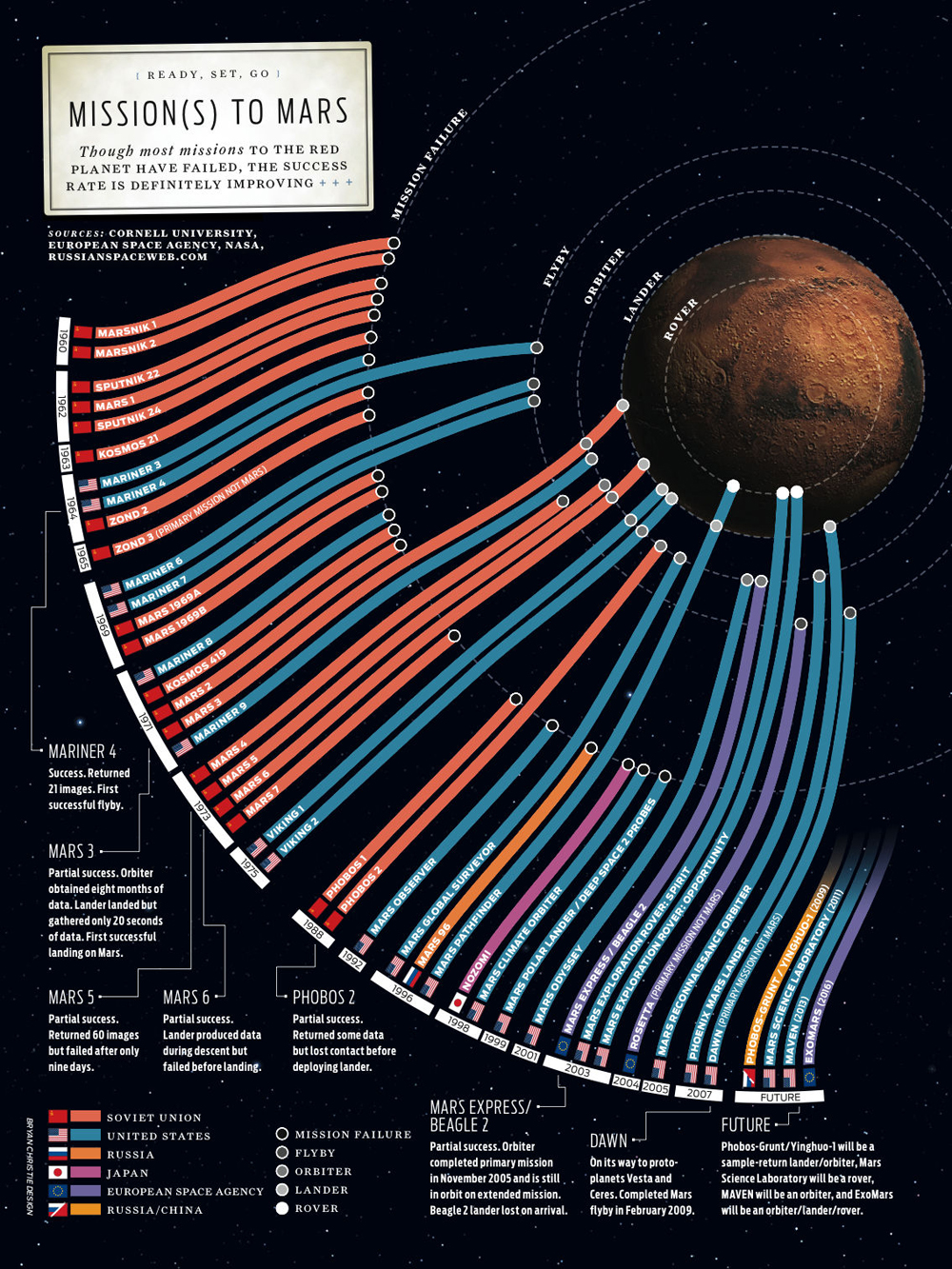
This approach allows NASA to extend the life of the spacecraft, ensuring that it can continue to provide atmospheric data for years to come without the overhead required during its primary mission phase. The data gathered by MAVEN will remain central to future mission planning, particularly for human exploration efforts that require a precise understanding of the Martian radiation environment and atmospheric density.
The Legacy of Atmospheric Exploration
MAVEN’s success has set the standard for how future missions will approach planetary climate studies. By focusing on the “volatile” elements—those that escape into space—the mission provided a window into the past. According to data archived by the NASA Planetary Data System (PDS), the mission has successfully logged millions of measurements that are now available to the global research community for independent analysis. This open-data approach ensures that even as the probe’s active operations scale back, its scientific output will continue to drive discoveries for decades.
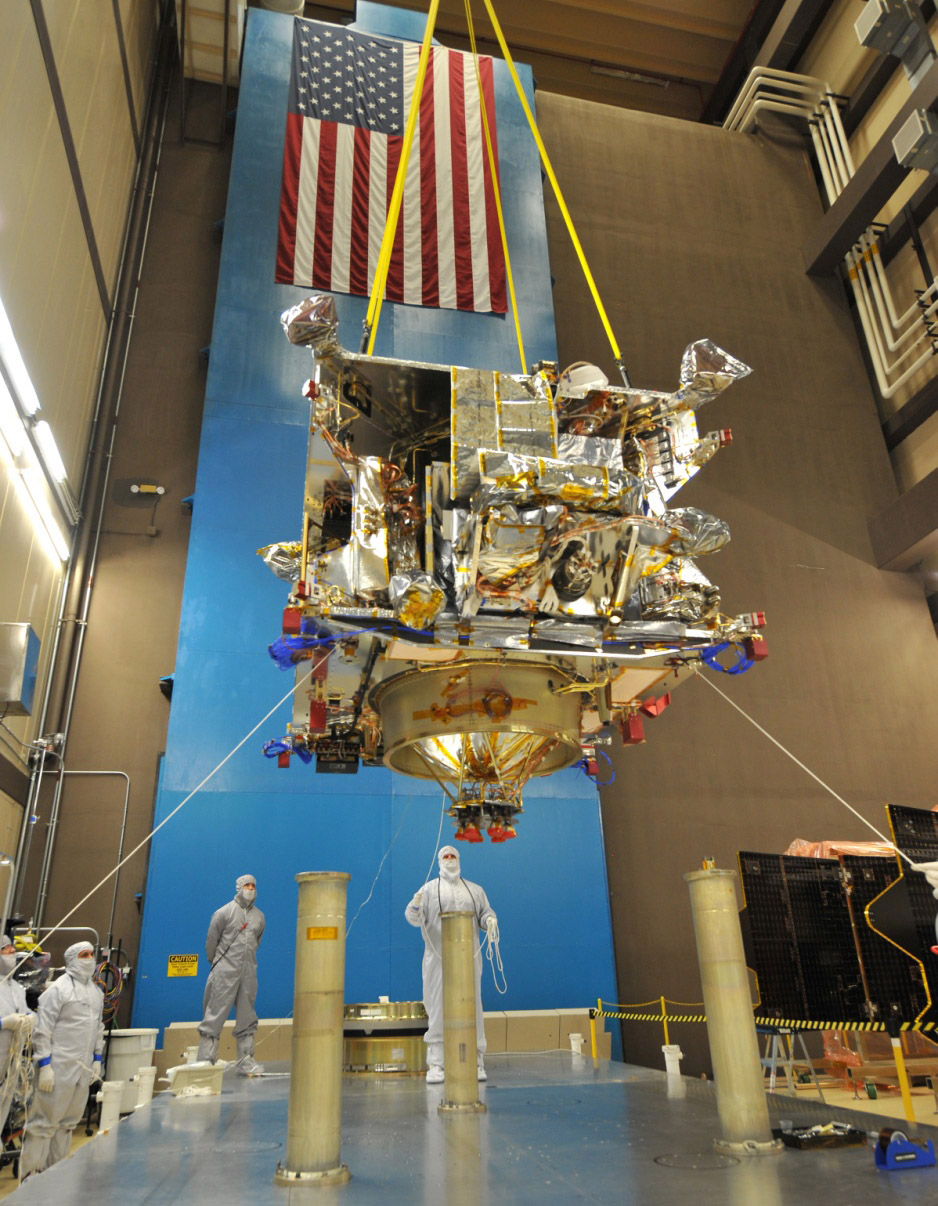
The transition of MAVEN serves as a reminder of the lifecycle of space exploration hardware. Missions are often launched with specific, time-bound objectives, but those that exceed their design life, like MAVEN, offer a unique opportunity to study the long-term variability of a planet. As the scientific community looks toward the next generation of Mars orbiters, the foundation built by MAVEN remains the primary reference for understanding the Martian climate system.
NASA is expected to provide further updates on the operational status of its entire Mars fleet during the upcoming Planetary Science Advisory Committee meetings. For researchers and space enthusiasts interested in the latest atmospheric findings, all raw and processed data from the MAVEN mission remains accessible through the NASA Planetary Atmospheres Node. Readers are encouraged to monitor these official portals for the most current information on mission milestones and new peer-reviewed studies stemming from the MAVEN dataset.
Worth a look