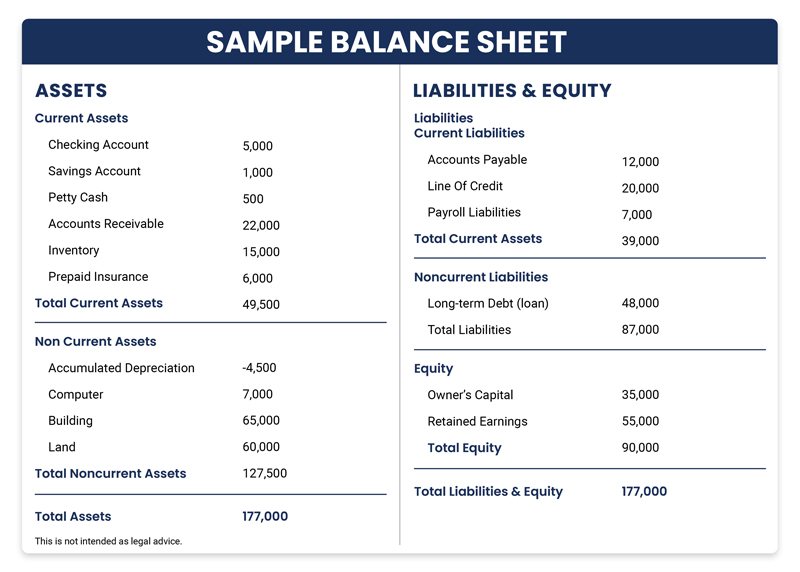
Advanced Blockchain AG, a Berlin-based venture builder and investor focused on the decentralized technology sector, faces ongoing scrutiny regarding its financial health as market participants evaluate its latest annual reports. Investors tracking the Advanced Blockchain stock are primarily focused on the company’s balance sheet—specifically its net assets, liabilities, and the consistency of its profit and loss (GuV) statements—to determine the firm’s stability in a volatile cryptocurrency market.
According to the company’s official investor relations disclosures, Advanced Blockchain operates as an incubator, holding equity in various Web3 and decentralized finance (DeFi) projects. The valuation of these holdings, which constitutes a significant portion of the company’s assets, remains sensitive to broader market fluctuations in digital assets. As of the most recent fiscal reporting period, the company maintains that its strategic focus remains on long-term value creation through the development of decentralized infrastructure, though analysts emphasize that liquidity and debt management remain critical metrics for shareholders.
Understanding the Financial Structure of Advanced Blockchain
The financial position of Advanced Blockchain is defined by its venture capital model. Unlike traditional software companies with recurring subscription revenue, the firm’s profit and loss statement is heavily influenced by the fair value measurement of its portfolio companies. Under German commercial law (HGB), the valuation of non-quoted assets requires rigorous assessment to ensure that the balance sheet accurately reflects the company’s net worth. Investors often look to the “Verbindlichkeiten” (liabilities) section to gauge how much leverage the company employs to fund its incubation activities.

For stakeholders, the key metric is the difference between the book value of these investments and their realized exit value. When the company sells a stake in a portfolio project, the gain or loss is realized in the income statement. However, in periods where market activity slows, the company’s reported “Gewinn” (profit) may show volatility, reflecting the unrealized changes in the valuation of its underlying assets. This structure is common among blockchain-focused holding companies, yet it requires investors to look beyond top-line revenue to understand the underlying asset quality.
Market Volatility and Asset Valuation
The valuation of Advanced Blockchain’s portfolio is inherently tied to the performance of the broader crypto ecosystem. When major tokens or decentralized protocols experience downward pressure, the fair value of equity stakes in related startups often requires downward adjustments. According to data tracked by Börse Frankfurt, the share price of Advanced Blockchain has historically moved in correlation with market sentiment toward early-stage blockchain ventures.
This volatility impacts the balance sheet by creating fluctuations in the “Vermögen” (assets) category. While the company may hold significant intellectual property and equity, the lack of immediate liquidity in these private investments means that the firm must maintain sufficient cash reserves to cover operational liabilities. The company’s reports typically detail these cash positions alongside their long-term investment commitments to provide a clearer picture of their solvency and operational runway.
Investor Considerations and Future Reporting
When analyzing the financial statements of a company like Advanced Blockchain, experts recommend focusing on the “Anhang” (notes to the financial statements). These notes provide essential context regarding the accounting policies used to value intangible assets and equity holdings. As noted in guidance provided by the Deutsche Schutzvereinigung für Wertpapierbesitz (DSW), retail investors should pay close attention to how management justifies the valuation of unlisted subsidiaries, as these figures can significantly impact the reported bottom line.
The next major checkpoint for shareholders will be the publication of the upcoming annual financial report, which will provide updated figures on debt-to-equity ratios and net income. Management typically provides these updates through their investor relations portal, where they also host general meetings and publish ad-hoc announcements regarding major divestments or new capital raises. Investors are encouraged to monitor these official channels for the most accurate, audited data rather than relying on third-party market commentary.
For those interested in the ongoing performance of the company, the Advanced Blockchain Investor Relations page serves as the primary repository for all regulatory filings, including annual financial statements and interim reports. Staying informed through these direct disclosures is the most effective way to assess the company’s progress in building its decentralized ecosystem.
Worth a look