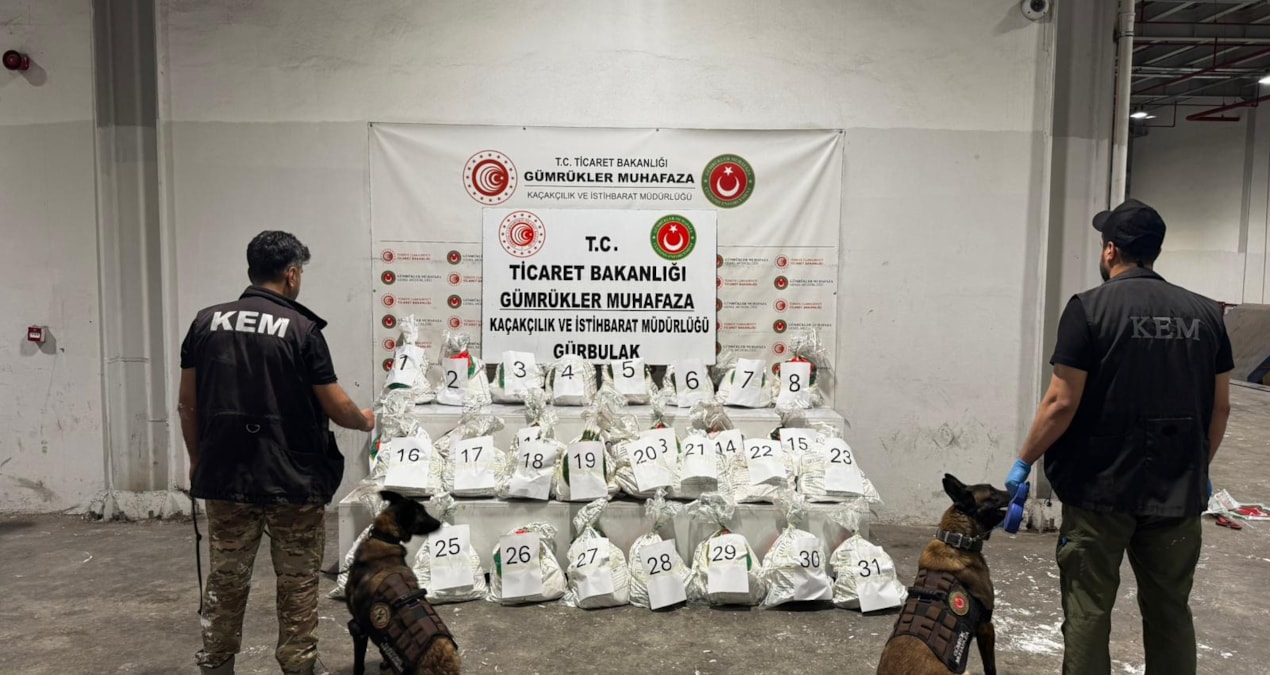
Turkish customs authorities have seized a massive cache of illegal pharmaceuticals and narcotics with a total estimated street value of 8.085 billion Turkish Lira (TRY). The operation, conducted by the Ministry of Trade at the İpsala Customs Gate, represents one of the largest single-point seizures of contraband in the country’s recent history, according to official statements released by the Turkish Ministry of Trade.
The seizure included 4.3 tons of illicit substances, primarily identified as narcotics, discovered during a routine inspection of a commercial vehicle. This interdiction follows a series of heightened security measures at Turkish land borders aimed at curbing the flow of transcontinental drug trafficking, as reported by the Anadolu Agency.
Scale and Nature of the Border Interdiction
The record-breaking seizure at the İpsala border crossing, which connects Turkey to Greece, involved a sophisticated concealment attempt within a heavy-duty transport truck. According to the Ministry of Trade, the contraband was categorized into both high-value pharmaceutical products and controlled narcotic substances. The sheer volume—weighing 4.3 tons—triggered an immediate escalation in security protocols at the facility, as noted in reports by TRT Haber.
The total valuation of 8.085 billion TRY is based on current market assessments of the chemical compounds and pharmaceutical products seized. While the ministry has confirmed the weight and the estimated financial impact, the specific chemical breakdown of the narcotics remains part of an ongoing forensic analysis. This operation highlights the increasing role of Turkish customs as a primary defensive line against organized crime syndicates operating between Europe and the Middle East.
Security Protocols at the İpsala Customs Gate
The İpsala Customs Gate serves as a critical node in the Balkan trade corridor. To manage the high volume of transit traffic, the Ministry of Trade utilizes advanced X-ray scanning systems and K-9 units tasked with identifying hidden compartments in freight vehicles. The success of this operation has been attributed to these integrated technological surveillance systems, which allowed officers to flag the vehicle for secondary inspection despite efforts to mask the cargo.

According to data from the Official Gazette of the Republic of Turkey, customs enforcement agencies have been granted expanded powers under recent legislative updates to conduct more rigorous vehicle searches. These measures are designed to mitigate the risks associated with the illicit shipment of precursor chemicals and finished narcotics, which are often routed through the region to reach wider European markets.
Impact on Regional Narcotics Trafficking
The interception of 4.3 tons of illicit material is expected to significantly disrupt the supply chains of the criminal networks responsible for the shipment. Historically, seizures of this magnitude often lead to multi-agency investigations involving both the Turkish National Police and international partners, such as Interpol, to trace the origin and intended destination of the cargo.
While the Ministry of Trade has confirmed the arrest of the driver and the seizure of the vehicle, judicial proceedings are currently in the preliminary stages. Under Turkish penal law, individuals found guilty of international drug trafficking face severe custodial sentences, often exceeding 20 years, depending on the volume and type of substances recovered. The case is expected to move to the Edirne Chief Public Prosecutor’s Office, which has jurisdiction over crimes committed at the İpsala border checkpoint.
Next Steps in the Judicial Process
The confiscated materials have been secured in a high-security storage facility under the supervision of customs officials. Forensic teams are currently processing the evidence to establish a definitive chemical profile of the substances, which will serve as the primary evidence in the forthcoming trial. The Ministry of Trade has indicated that it will provide further updates as the judicial investigation progresses.
For citizens and stakeholders tracking the progress of this case, official updates are regularly published on the Ministry of Trade’s official portal. The investigation remains active, with authorities focused on dismantling the logistical network that facilitated the movement of such a large quantity of contraband through a major international transit point. Readers are encouraged to monitor future court announcements regarding the indictment of those involved in this smuggling attempt.
Related reading