
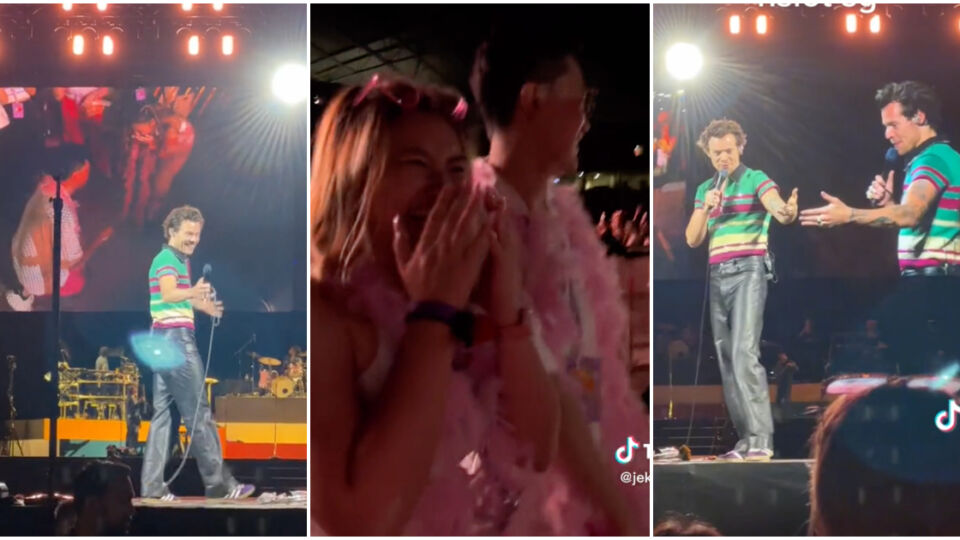
Pop star Harry Styles paused his live performance during the “Love on Tour” series to ensure the safety of a fan in the crowd who appeared to be in distress. The incident, which occurred during a concert in Cardiff, Wales, saw the artist halt the music to address the situation directly from the stage, prioritizing audience welfare over the show’s momentum.
Styles, known for his interactive concert style, noticed a fan in the front rows who seemed overwhelmed or physically unwell. According to reporting from BBC News, the singer stopped the band mid-song, asking the crowd to create space and directing security personnel to provide assistance. Addressing the individual, Styles remarked, “I’m very excited to be here, and I know we’re all going to have a wonderful time, but the most important thing is that everyone is safe.”
Prioritizing Fan Safety During Large-Scale Events
The decision to halt a concert for individual welfare has become a notable trend for Styles throughout his extensive global tour. By stopping the performance, Styles effectively signaled to the thousands in attendance that the well-being of a single concertgoer takes precedence over the setlist. This approach is consistent with industry-wide discussions regarding crowd management and safety protocols at high-capacity music venues.
According to safety guidelines published by the Event Safety Guide, which provides industry standards for outdoor and indoor events in the United Kingdom, artists and event staff are expected to maintain constant communication to monitor crowd density and physical distress. Styles’ actions in Cardiff align with these best practices, as he personally facilitated a pause that allowed medical or security staff to reach the affected fan without the pressure of a continuing performance.
The Evolution of Artist-Fan Interaction
Harry Styles has cultivated a reputation for fostering a supportive atmosphere at his shows, often engaging in direct dialogue with fans between songs. This dynamic creates a sense of community but also places a significant responsibility on the performer to act as a monitor for the crowd’s physical state. While some critics argue that such interruptions disrupt the flow of a production, proponents of this style point to the reduced risk of crowd surges and panic when an artist acknowledges distress early.
The “Love on Tour” series, which concluded in July 2023, was one of the highest-grossing concert tours in history, according to data from Billboard Boxscore. Managing venues that hold tens of thousands of people requires rigorous coordination. Styles’ willingness to pause his set serves as a public demonstration of the importance of vigilance in large-scale live entertainment.
Safety Protocols and Venue Management
When an artist stops a show, it initiates a specific chain of events designed to protect the audience. Venue security teams are trained to identify signs of distress, such as fainting or respiratory issues caused by heat or overcrowding. By stopping the music, the artist removes the acoustic distraction, allowing security to communicate more effectively and making it easier for the audience to move away from the area in need.
For those attending major concerts, experts suggest staying hydrated and maintaining awareness of the nearest exit points. Most venues now provide clear signage and medical stations to assist those who find the environment overwhelming. The incident in Cardiff serves as a reminder that while live music is intended for entertainment, the physical safety of the collective audience remains the primary operational objective for both the artist and the venue management team.
:max_bytes(150000):strip_icc():focal(749x0:751x2)/harry-styles-cardiff-concert-062223-2-60104c28dd0a4e76a98e1155a924eb5d.jpg "Safety Protocols and Venue Management")
As the touring industry continues to evolve, the expectation for artists to act as on-stage safety observers is likely to persist. Future concerts will continue to be governed by the safety standards established by local authorities and venue operators, with artists serving as the final link in the communication chain between the crowd and the support staff.
Readers are encouraged to share their experiences with concert safety in the comments section below. For official updates on future tours or safety guidance for large-scale events, fans should consult the official websites of their local venue operators and the Health and Safety Executive (HSE).
Keep reading