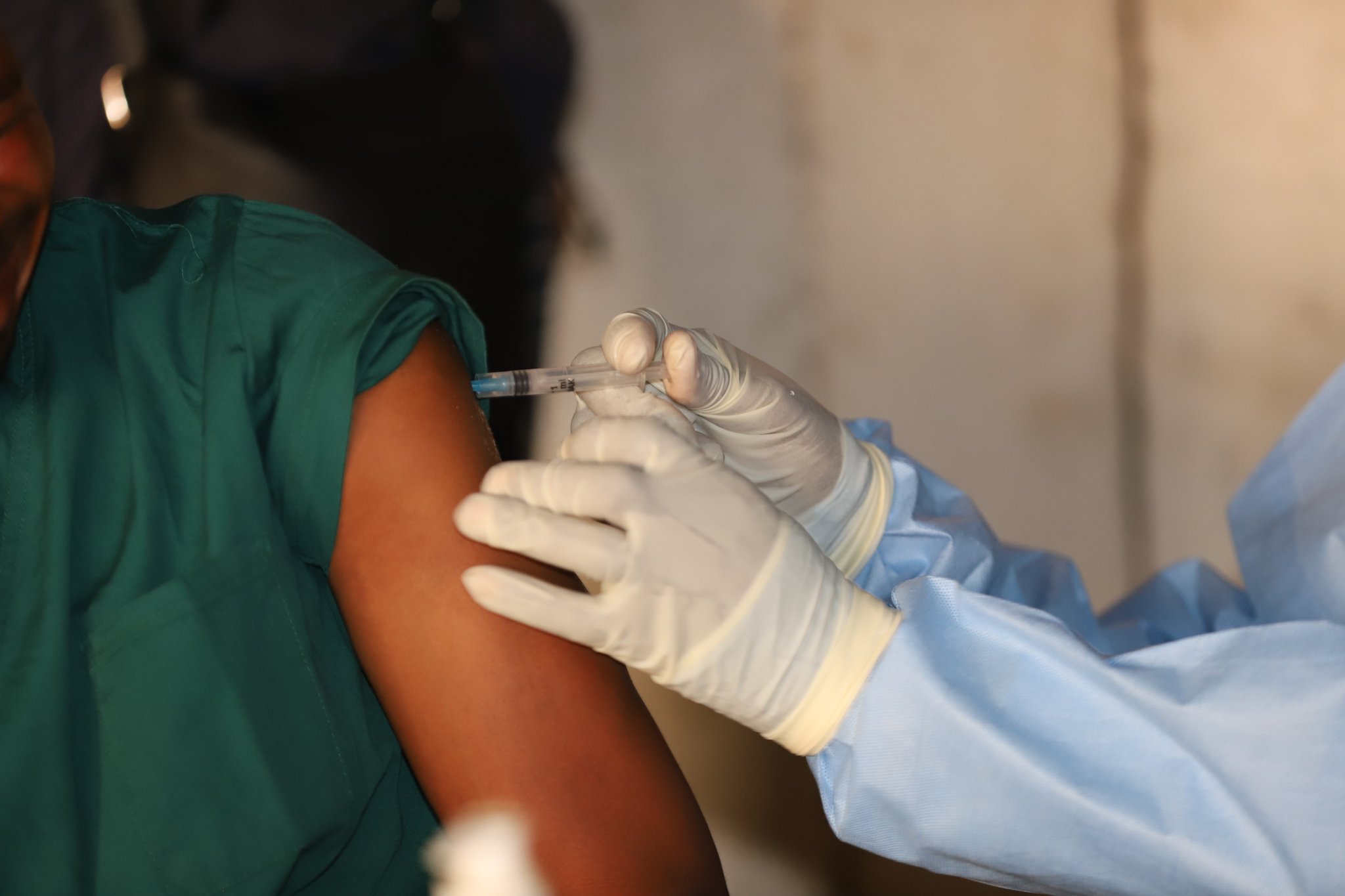
Youth organizations in Beni, a city in the eastern Democratic Republic of the Congo (DRC), have formally condemned the violent targeting of health workers tasked with managing Ebola outbreak response efforts. These attacks, often fueled by misinformation and community mistrust, have historically hindered containment strategies in North Kivu, according to reports from the World Health Organization (WHO). Local leaders are now calling for improved dialogue between medical teams and residents to ensure the safety of personnel and the efficacy of public health interventions.
The security of medical teams remains a primary concern for international health agencies operating in the region. Since the onset of various Ebola virus disease (EVD) outbreaks in the DRC, response teams have faced significant challenges, including physical assaults and the destruction of medical facilities. These incidents frequently stem from deep-seated skepticism regarding the origins of the virus and the motives of international health organizations, as noted by the Centers for Disease Control and Prevention (CDC).
Historical Context of Community Resistance
The resistance encountered by health workers in Beni is not an isolated phenomenon but part of a broader trend of civil unrest affecting public health initiatives in eastern Congo. During the 2018–2020 Ebola outbreak in North Kivu and Ituri, the WHO documented hundreds of security incidents, ranging from protests to targeted attacks on treatment centers. These events often occurred in areas where residents felt neglected by central government authorities or were wary of foreign medical intervention.

According to the Human Rights Watch, the lack of community engagement during the early phases of these outbreaks significantly contributed to the hostility. When health protocols—such as safe and dignified burials or contact tracing—are implemented without local consultation, they can be perceived as intrusive or culturally insensitive. The recent condemnation by Beni youth groups reflects an evolving effort to bridge this gap by fostering direct communication between the population and healthcare providers.
Impact on Public Health Infrastructure
Attacks on Ebola response teams have tangible consequences for disease control. When clinics are forced to close or mobile teams are prevented from entering certain neighborhoods, the window for effective contact tracing shrinks. This delay increases the risk of community transmission, as infected individuals may go undetected or seek care through traditional channels that lack the necessary biosafety equipment to prevent further spread.
The World Health Organization Regional Office for Africa has consistently emphasized that neutrality and community-led approaches are essential for successful containment. In Beni, the involvement of local youth leaders serves as a strategic pivot. By leveraging local networks to disseminate accurate medical information, these groups aim to dispel myths surrounding the disease and protect the personnel who are essential to stopping the virus’s progression.
Moving Toward Sustainable Engagement
To improve the security environment, international and local health actors are increasingly adopting “community-based surveillance” models. This approach empowers residents to take ownership of the response, transforming them from passive recipients of health directives into active participants. This shift is critical in a region that has experienced decades of armed conflict and political instability, which have historically undermined trust in state-led initiatives.
As of the most recent public health updates, the focus in North Kivu remains on maintaining robust surveillance systems. Health authorities continue to emphasize that the presence of trained medical staff is the most effective defense against future outbreaks. Future success depends on the ability of these teams to operate without the threat of violence, supported by local community structures that actively discourage interference with medical operations.
For official updates on the current health situation in the region, the public is encouraged to consult the WHO’s official situational reports. Maintaining transparency and fostering ongoing dialogue with the youth in Beni will remain a key component of any strategy to prevent the recurrence of the violent disruptions seen in the past. We invite our readers to share their perspectives on the role of community leadership in public health; please join the conversation in the comments section below.
Related reading