Normal body mass index does not rule out clinically relevant liver disease among people living with HIV. According to research presented at the 26th International AIDS Conference in Rio de Janeiro, lean individuals face risks of steatotic liver disease and fibrosis.
Florence Bascombe and University College London Researchers Present Findings at AIDS 2026
Body mass index has long served as a standard metric for evaluating body size and estimating health risks. Yet, relying strictly on weight thresholds can obscure serious pathology in specific populations. Findings presented at the 26th International AIDS Conference in Rio de Janeiro demonstrate that lean individuals living with HIV remain vulnerable to advanced liver conditions.

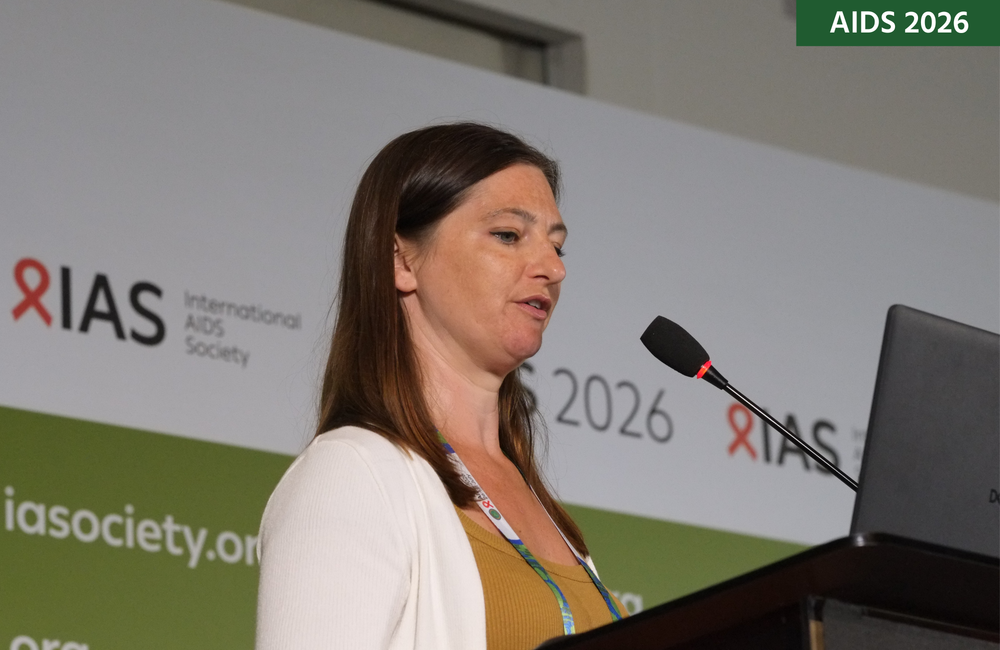
Florence Bascombe, a senior research nurse at University College London, outlined the clinical implications of the data during the conference. Normal BMI does not exclude clinically relevant liver disease in HIV,
Bascombe said. She added that reliance on body size alone may miss people at risk, highlighting the need for better phenotyping and more nuanced metabolic assessment in HIV care.
Cross-Sectional Analysis of London HIV Service Data Reveals Hidden Liver Disease
To investigate the prevalence and characteristics of steatotic liver disease among patients with normal weight, researchers examined clinical data collected at a large HIV service in central London between 2019 and 2025. The cross-sectional analysis utilized transient elastography, commonly known as FibroScan, which is a non-invasive ultrasound imaging method that estimates both steatosis and fibrosis.
Investigators categorized participants into lean and non-lean groups using a body mass index threshold of 25. Out of 391 individuals diagnosed with both HIV and fatty liver disease, 57 patients—representing 14.6% of the cohort—were classified as having lean SLD.
Comparative evaluation between the groups showed distinct demographic differences. Lean participants with liver disease were older, registering a median age of 58 compared to 54 years for the non-lean group. Furthermore, the lean cohort generally displayed more favorable cardiometabolic profiles.
Weighing Liver Fibrosis Severity Against Favorable Metabolic Profiles
Despite appearing healthier in standard metabolic markers, lean patients exhibited liver disease severity comparable to their heavier peers.
Steatotic liver disease encompasses metabolic dysfunction-associated steatotic liver disease, alcohol-related liver disease, and liver disease attributable to both metabolic factors and alcohol. As modern antiviral therapies successfully manage viral hepatitis, steatotic liver disease accounts for an increasing share of advanced hepatic complications globally.
General population studies indicate that roughly 10% of individuals with normal or low weight have steatotic liver disease. Specialized research suggests that proportion may climb as high as 25% among people living with HIV. Clinicians caution that focusing solely on traditional body mass index cut-offs underestimates disease prevalence.
Related reading