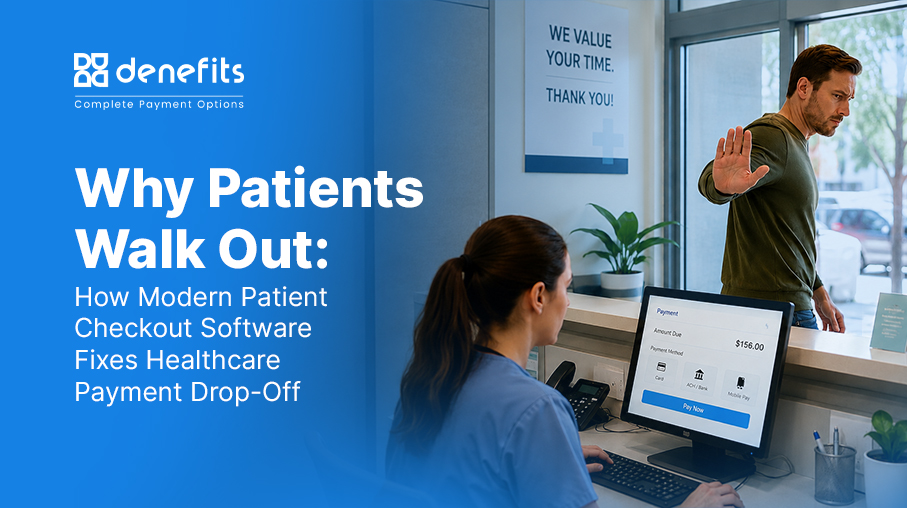
Modern patient checkout software is transforming healthcare revenue cycles by tackling patient payment drop-off at the front desk and reducing friction during medical transactions. Patients frequently walk away from treatments or delay decisions when presented with confusing invoices, limited payment options, or slow administrative workflows. As consumer expectations shift toward the speed and transparency found in other industries, medical practices are increasingly adopting digital checkout infrastructure to safeguard their cash flow and improve patient satisfaction.
The Healthcare Financial Management Association (HFMA) Healthcare Dollars & Sense initiative highlights that modern healthcare consumers expect financial experiences matching the convenience and transparency they receive elsewhere. Yet, many clinical offices still rely on legacy systems built strictly for electronic health records and insurance claims rather than modern point-of-sale engagement. When invoices are handed out on paper after a visit or require multiple follow-up calls, practices encounter lower treatment acceptance and increased accounts receivable.
Financial transparency has emerged as a central pillar of patient trust, mirroring regulatory pushes like the Centers for Medicare & Medicaid Services (CMS) Hospital Price Transparency initiative. Patients navigating high deductibles, co-pays, and elective procedures need clear breakdowns of what insurance covers and what remains out-of-pocket before committing to a care plan. When pricing is clear, patients can evaluate options without awkward front-desk bottlenecks.
Beyond Medical Billing: Why Dedicated Checkout Infrastructure Matters
A common misconception among healthcare providers is that upgrading electronic billing platforms automatically resolves front-office collection challenges. Traditional medical billing software handles back-office responsibilities such as insurance claim submissions, coding, and ledger tracking. However, these systems do not address the critical moment when a patient decides whether to proceed with a financial transaction.
Checkout infrastructure serves a distinct operational purpose. Instead of processing financial records after the fact, specialized checkout platforms guide patients through a clear payment journey. When practices rely solely on manual payment explanations and delayed mailed statements, patients face unnecessary obstacles. Payment drop-off frequently occurs when individuals lack immediate financing alternatives or need time to discuss costs with family members outside the clinic environment.
Multiple Payment Pathways and Digital Convenience
Contemporary patient payment processing platforms offer flexible alternatives that accommodate diverse financial situations. Rather than pushing every patient toward a single lump-sum payment at the front desk, modern software solutions enable practices to offer structured monthly payment plans, financing for larger procedures, or secure digital checkouts that can be completed later.
Digital convenience has fundamentally altered how patients interact with medical providers. Because patients routinely book appointments, receive text reminders, and view medical histories on mobile devices, they expect payment options to follow the same digital channels. Modern platforms support secure transactions via SMS payment links, email, office QR codes, and patient portals.
By integrating these digital workflows, clinics reduce the administrative burden on front-desk staff who would otherwise spend hours calculating payment plans or making reminder calls. Platforms designed to complement existing practice management software allow clinics to deploy customized checkout workflows quickly, minimizing friction across the entire patient journey from initial consultation to final billing confirmation.
Keep reading
- Japan Approves $187.8M Loan to Boost Philippine Universal Health Care Program
- Festivaling with Celiac Disease: The Struggle for Gluten-Free Food Options
- TeamViewer Stock: Technical Resistance and Software Sector Volatility (archyde.com)
- AI, Climate Crises, and Pandemics: Navigating Modern Global Challenges (world-today-news.com)