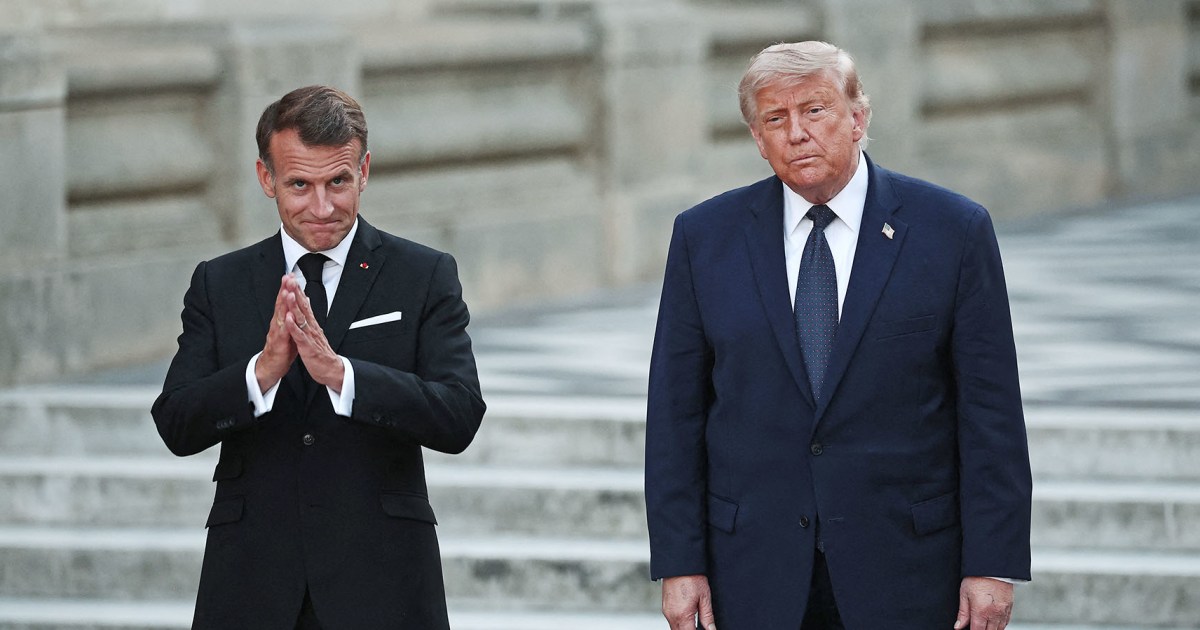
The recent diplomatic developments between the United States and Iran, centered on a newly signed memorandum of understanding (MOU), have introduced significant shifts in international energy markets and regional security, though the implementation of the agreement remains subject to ongoing scrutiny. Following the formalization of a 14-point framework aimed at easing tensions and addressing nuclear and economic concerns, global observers are assessing the immediate impact on Iranian oil exports and the broader geopolitical stability of the Middle East. According to the U.S. Department of State, the agreement is intended to provide a pathway for managed engagement, yet the practical application of these terms has faced immediate friction regarding verification protocols and enforcement mechanisms.
For months, international stakeholders, including energy analysts and regional governments, have anticipated a potential shift in the status of Iranian sanctions. The current situation, characterized by the lifting of specific maritime blockades and the subsequent increase in potential oil production capacity, marks a deviation from previous “maximum pressure” policies. As noted by the International Energy Agency (IEA), the speed at which Iran can return to full-scale oil production depends heavily on the condition of its aging infrastructure and the availability of international tanker insurance, factors that remain central to the current diplomatic discourse.
The 14-Point Framework and Operational Realities
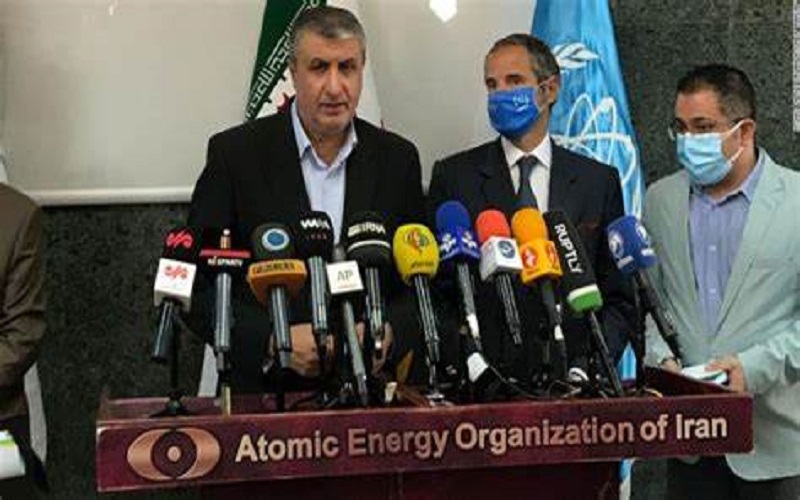
The 14-point text, officially released by diplomatic channels, outlines the technical requirements for both sides to meet their respective commitments. A primary component involves the monitoring of enrichment activities, which the International Atomic Energy Agency (IAEA) is tasked with overseeing under the new guidelines. Despite the existence of this document, confusion persists regarding the timeline for compliance. While the U.S. has signaled a willingness to allow limited oil sales, the legal framework governing these transactions requires specific waivers that are currently being processed by the Treasury Department’s Office of Foreign Assets Control (OFAC), according to official Treasury guidance.

The operational reality for oil markets involves a transition from restricted supply to a potential influx of Iranian crude. Market analysts at the U.S. Energy Information Administration (EIA) suggest that while Iran has the capacity to ramp up production, the logistical hurdles—such as securing enough vessels and finding willing buyers in a cautious global market—will likely prevent an instantaneous surge in supply. The lifting of military-enforced blockades on key maritime transit routes has been confirmed by Department of Defense statements, yet the security environment in the Persian Gulf remains volatile, with regional actors expressing varying degrees of concern over the potential for miscalculation.
Regional Reactions and the Security Landscape
The response from regional powers, particularly Israel, has been marked by skepticism. High-ranking officials have publicly questioned the efficacy of the 14-point agreement in preventing long-term nuclear proliferation, arguing that the reduction of sanctions may inadvertently provide funding for regional proxy groups. This perspective has created a diplomatic rift, as U.S. officials maintain that the deal is the most viable method for achieving regional stability. According to recent White House press briefings, the administration continues to coordinate with regional partners to address these security concerns, though the divide in strategic priorities remains evident.
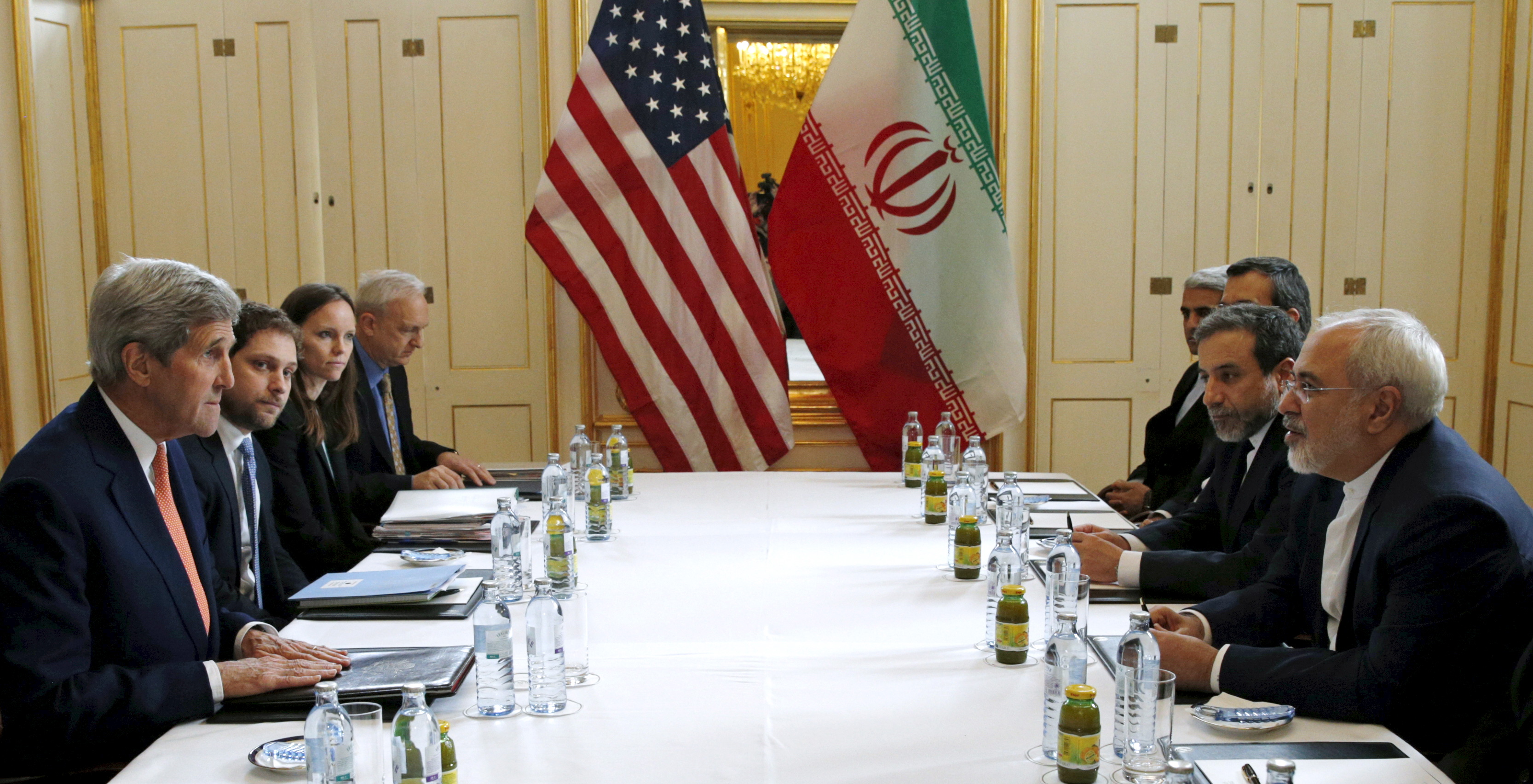
The role of U.S. legislative voices has also become a focal point, with various lawmakers criticizing the lack of transparency in the negotiations. Debate on Capitol Hill has centered on the balance between executive authority in foreign policy and the oversight role of Congress. As reported by the Congressional Research Service, the legal status of the MOU compared to a formal treaty continues to be a subject of intense debate among constitutional scholars and political analysts. This legislative tension adds a layer of uncertainty to the long-term sustainability of the agreement, as future administrations may choose to revisit or rescind the current commitments.
What Happens Next for Global Energy and Diplomacy
The next major checkpoint for this agreement is the upcoming IAEA quarterly review, which will provide a technical assessment of Iranian compliance with the nuclear-related provisions of the 14-point document. Investors and energy traders are closely monitoring these reports as indicators of whether the current easing of sanctions will be maintained or reversed. According to the United Nations, regular diplomatic consultations are scheduled to continue in neutral venues to address implementation bottlenecks as they arise.
For the average reader, the primary takeaway is that while the official text of the agreement exists, the implementation phase is subject to a complex mix of bureaucratic processing, technical verification, and shifting regional security dynamics. Further updates on the status of oil export waivers and nuclear monitoring reports will be published through official government portals and authorized international monitors. Readers are encouraged to follow the official releases from the U.S. State Department and the IAEA for the most accurate, real-time information regarding the progression of these negotiations. Please share your thoughts on the potential economic implications of this deal in the comments section below.
Related reading