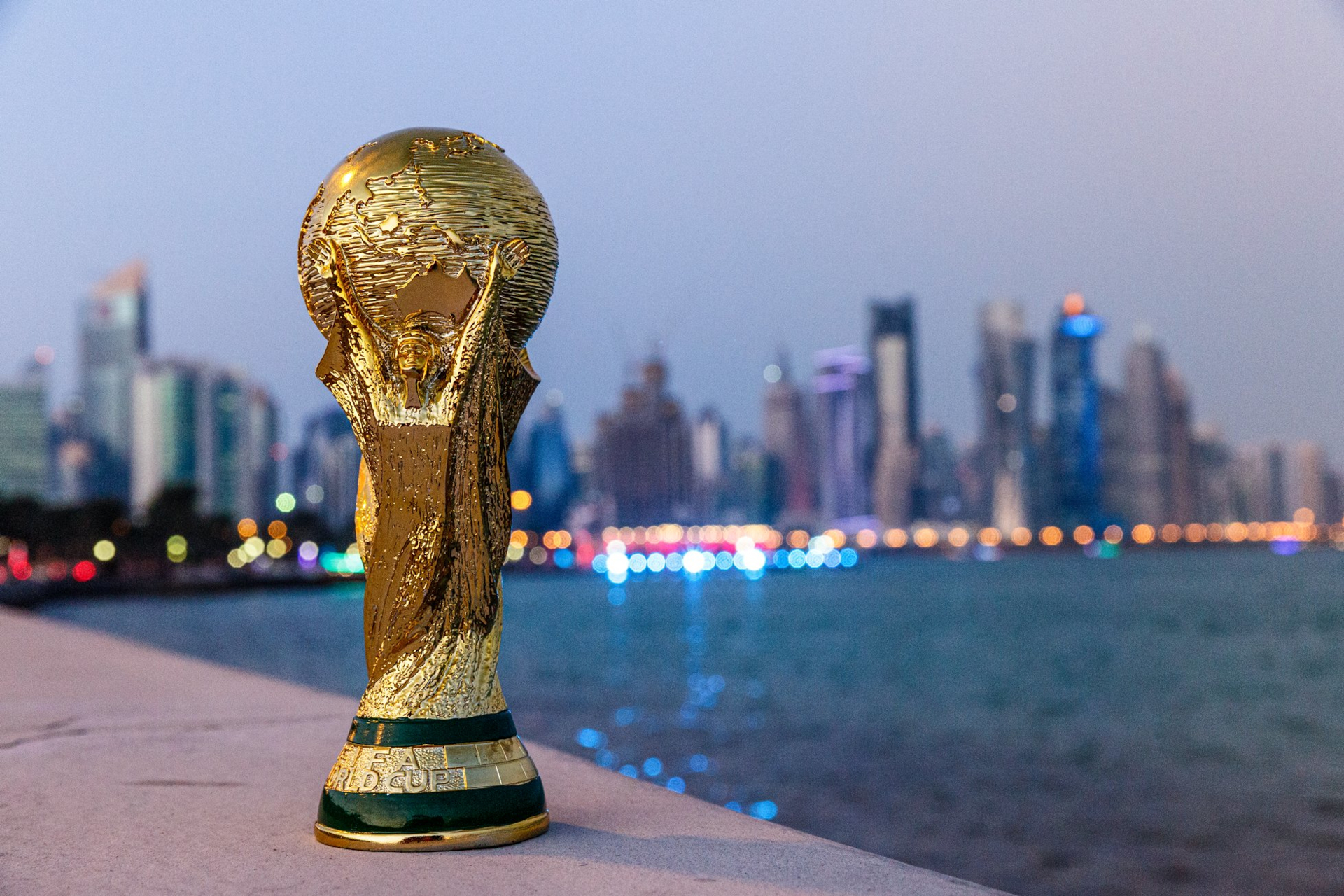
Arlington, Texas, has finalized its preparations to host matches for the 2026 FIFA World Cup, with local officials asserting the city’s readiness to accommodate the global influx of visitors and teams. As one of the primary host sites in the Dallas-Fort Worth metropolitan area, Arlington’s AT&T Stadium is scheduled to host nine matches, the most of any venue in the tournament, according to official FIFA scheduling documents.
The city’s infrastructure and logistical planning have undergone years of refinement to meet the stringent requirements set by world football’s governing body. Local authorities have emphasized that the integration of public transportation, security protocols, and fan engagement zones is now in its final implementation phase. This preparation comes as the region simultaneously manages long-term climate resiliency strategies, particularly following recent severe weather events that have highlighted the importance of emergency management systems in North Texas, as reported by the National Weather Service regarding regional storm patterns.
Infrastructure Readiness and Stadium Capacity
The centerpiece of the region’s hosting duties is AT&T Stadium, which will undergo specific modifications to meet FIFA’s pitch requirements. Unlike standard NFL configurations, the stadium must accommodate a wider grass field, a transition that requires significant structural adjustments. The City of Arlington has confirmed that these technical upgrades are on track, with project milestones being met ahead of the 2026 kickoff. According to official City of Arlington municipal updates, the city has coordinated with regional transit partners to ensure that the influx of international spectators can move efficiently between the stadium, the entertainment district, and various hospitality hubs.
Beyond the stadium walls, the “Dallas-Fort Worth” hosting bid has focused heavily on the revitalization of the surrounding Arlington Entertainment District. This area, which includes Globe Life Field and Choctaw Stadium, serves as the primary footprint for the tournament’s fan festivals and ancillary events. City planners have noted that the expansion of pedestrian-friendly infrastructure and the enhancement of hotel capacity are essential to managing the estimated hundreds of thousands of international visitors expected during the tournament window.
Managing Climate and Emergency Logistics
A significant portion of the city’s readiness strategy involves the refinement of its emergency management protocols. North Texas is prone to severe weather, including high-wind events and heavy precipitation, which can disrupt large-scale public gatherings. Recent severe storms in the Dallas-Fort Worth area have served as a stress test for local emergency services, prompting city officials to integrate meteorological monitoring directly into their event-day operations. According to the Dallas County Office of Homeland Security and Emergency Management, proactive communication and real-time shelter-in-place coordination are central to maintaining public safety during major international events.
The city’s approach to these challenges is twofold: hardening the physical infrastructure to withstand extreme weather and ensuring that communication channels for international visitors are multilingual and accessible. By leveraging the existing communication networks used during major sporting events, Arlington aims to provide a seamless experience for fans, even in the event of unpredictable Texas weather.
Economic Impact and Long-Term Goals
The economic implications for Arlington extend well beyond the duration of the tournament. Local government officials estimate that the World Cup will provide a significant boost to the hospitality and service sectors, citing projections from the Dallas Sports Commission regarding the anticipated tourism revenue. This event is viewed as a catalyst for ongoing development in the region, with the city utilizing the tournament as an opportunity to showcase its capability to host global-scale events consistently.
The focus remains on legacy planning. After the final whistle in 2026, the city intends to retain the improvements made to its transportation network and public safety infrastructure. By aligning its development goals with the requirements of international sports organizations, Arlington seeks to position itself as a permanent fixture on the global map for major athletic and entertainment championships.
What Happens Next
The next phase of the hosting timeline involves the final certification of the stadium’s pitch and the completion of regional transportation connectivity projects. FIFA is expected to conduct ongoing site inspections throughout 2025 to verify that all facilities meet the necessary safety and operational standards. Residents and visitors can monitor official updates through the City of Arlington’s official website for information regarding traffic patterns, volunteer opportunities, and tournament-related road closures as the 2026 date approaches. We encourage readers to share their thoughts in the comments section below regarding the impact of this event on the local community.
Worth a look
- Brian Shines with Goal and Two Assists in América’s Win Over San Diego FC
- Democrats Introduce Resolution to End Unauthorized US Military Action Against Iran
- Why Solar Storms Can Throw Your GPS Off by Yards (daybreakwire.com)
- Oklahoma Storm Update: Severe Weather Tracking in OKC Metro (Aug 7, 2026) (news-usa.today)