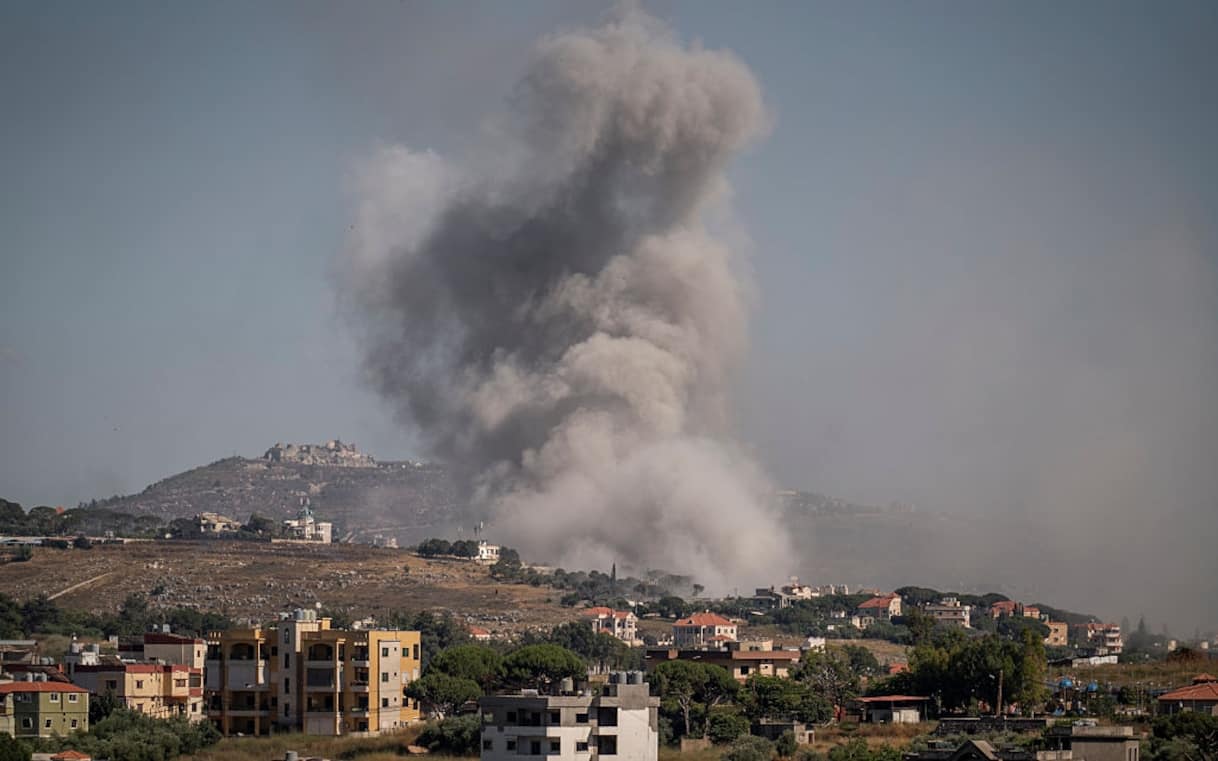
Ongoing hostilities in Southern Lebanon have resulted in at least 16 deaths, complicating fragile diplomatic efforts to solidify a ceasefire between regional actors. While international mediators continue to push for high-level talks, recent reports indicate that at least one Lebanese Armed Forces soldier was killed in an Israeli Defense Forces (IDF) strike, further straining the terms of the existing cessation of hostilities. According to Reuters, the incident occurred despite the ongoing efforts to maintain a buffer zone, highlighting the volatility of the current security environment.
The situation in the Middle East remains fluid, with U.S. and Iranian representatives reportedly considering a new round of diplomatic engagement. Though early reports pointed toward meetings in Switzerland, the stability of these negotiations remains in question due to the persistent exchange of fire. As of late November, the death toll from the conflict continues to rise, with both local authorities and international observers expressing concern over the viability of long-term de-escalation strategies.
Status of U.S.-Iran Diplomatic Channels
Diplomatic channels between the United States and Iran are currently under intense scrutiny as both nations navigate the complexities of regional security. Reports from various international agencies suggest that potential discussions could take place as early as this week, though the exact venue and agenda remain subject to change. The U.S. Department of State has maintained that it remains committed to utilizing all available diplomatic avenues to prevent further regional escalation, though officials have not confirmed the specific logistics of upcoming meetings.
The uncertainty surrounding these talks reflects the broader geopolitical friction between Tehran and Washington. Observers note that while both sides have signaled a willingness to engage, the lack of a formal, public framework for these discussions often leads to conflicting reports regarding schedules. Any potential meeting would follow a period of heightened tension, during which the U.S. has reiterated its support for regional stability while Iran continues to voice strong opposition to Israeli military operations.
Impact of IDF Operations in Lebanon
The death of a Lebanese soldier in an IDF strike has drawn sharp condemnation from local leadership and raised questions about the rules of engagement currently governing the border area. According to an official statement from the Lebanese Armed Forces, the soldier was killed during an active operation in the southern part of the country. This loss of life is viewed by many analysts as a direct challenge to the ceasefire agreement that was intended to pull back combatants and allow for the return of displaced civilians.
The IDF has frequently stated that its operations in Southern Lebanon are aimed at neutralizing threats from non-state actors, specifically Hezbollah, and ensuring that northern Israeli communities remain secure. However, the involvement of the national Lebanese army in these incidents complicates the narrative of a binary conflict. The United Nations Interim Force in Lebanon (UNIFIL) continues to urge both sides to exercise maximum restraint, warning that any further miscalculations could lead to a broader regional confrontation.
Challenges to Regional Stability
The current impasse is characterized by a “wait-and-see” approach from both regional and international stakeholders. With the ceasefire under constant pressure, the primary goal for mediators—including the U.S. and European partners—is to prevent a total collapse of the current security arrangements. The lack of a unified political resolution means that local incidents often carry the weight of national crises, as seen in the recent casualties reported in the south.

Looking ahead, the next significant checkpoint for these developments will be the status of any confirmed meetings between U.S. and Iranian envoys. Analysts suggest that if these talks proceed, the focus will likely remain on containment rather than a comprehensive peace deal. Readers seeking further updates are encouraged to monitor official press releases from the White House and the United Nations for verified information on the status of ceasefire monitoring and diplomatic schedules. Please share your thoughts on these developments in the comments section below.
Related reading