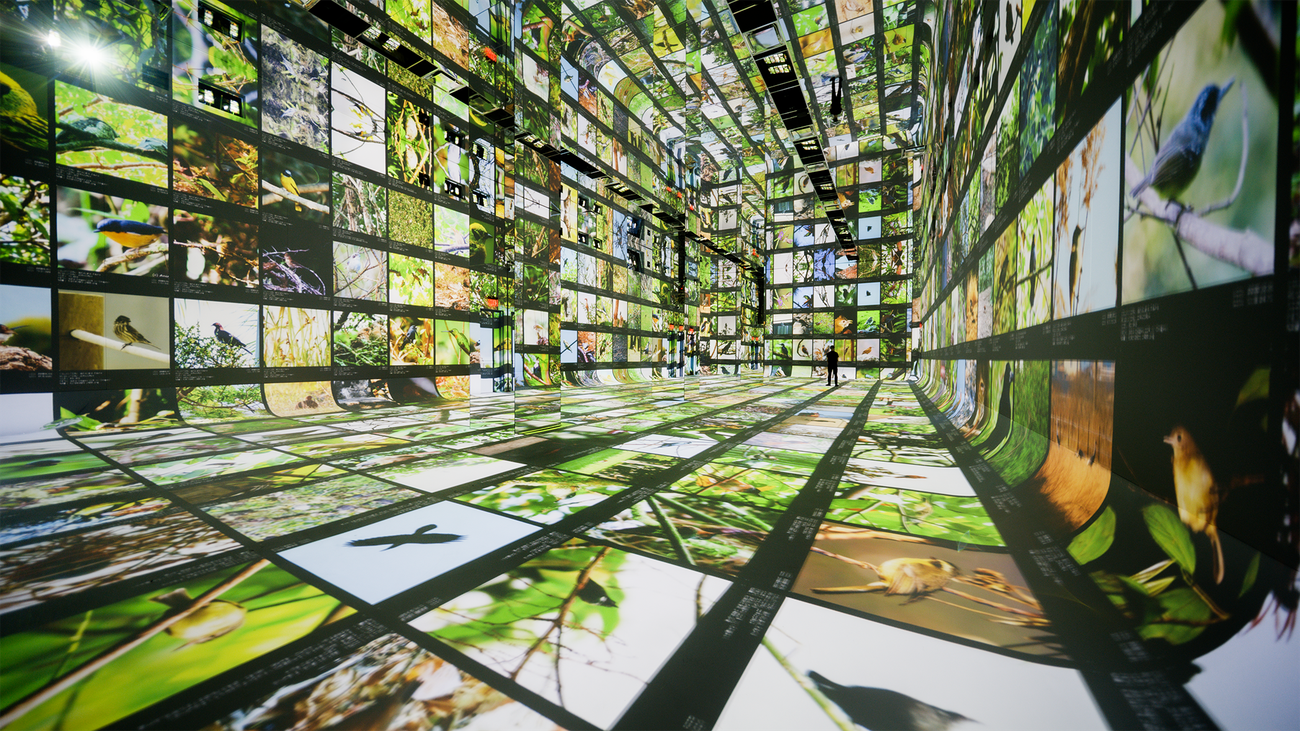
Dataland, described as the world’s first museum dedicated to artificial intelligence arts, has officially opened in Los Angeles, California. The institution functions as a collaborative space focused on the intersection of machine intelligence and creative expression, powered by infrastructure from Google Cloud and developed in partnership with Google Arts & Culture. According to Google’s official project announcement, the museum serves as a permanent home for large-scale AI models trained on vast, ethically sourced datasets to generate immersive, data-driven art installations.
The museum is the brainchild of media artist Refik Anadol and his creative studio. By utilizing advanced neural networks, the facility aims to transform complex datasets—ranging from environmental records to cultural archives—into sensory experiences. This project marks a significant shift in how AI-generated art is curated and presented to the public, moving beyond temporary gallery exhibitions into a dedicated, permanent institutional framework. As of the current opening phase, the museum features several interactive rooms where visitors can observe AI models interpreting real-time data streams, effectively turning the museum itself into a living, learning digital organism.
The Technological Foundation of Dataland
At the core of Dataland’s operations is the integration of high-performance computing and machine learning. The museum relies on Google Cloud’s Tensor Processing Units (TPUs), which are specialized hardware accelerators designed to handle the intensive computational requirements of training and running large-scale generative models. By leveraging this infrastructure, the studio can process massive datasets—such as millions of images of nature or historical documents—to create what Anadol refers to as “data sculptures.”
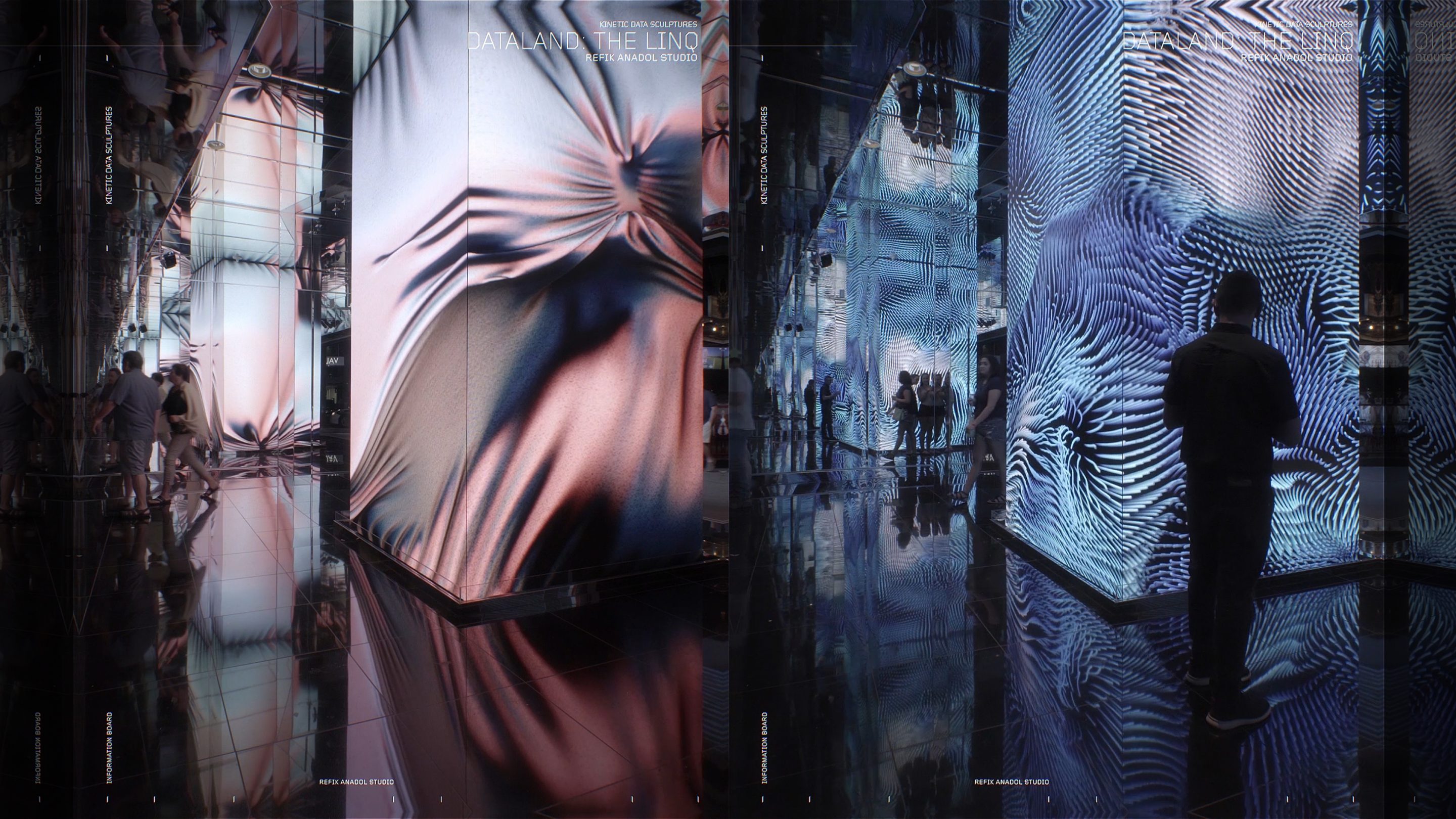
This technical setup allows for a level of complexity that traditional digital art installations have historically struggled to achieve. According to technical documentation provided by Google Arts & Culture, the collaboration focuses on ensuring that the datasets used for these models are ethically collected and curated. This emphasis on data provenance is a response to broader industry debates regarding copyright, model training, and the ethical use of machine learning in the arts. By maintaining a transparent pipeline from data acquisition to visual output, the museum positions itself as a leader in the responsible development of AI-driven creative technologies.
Bridging AI and Public Engagement
Beyond the technical specifications, Dataland is designed to demystify artificial intelligence for a global audience. The museum utilizes large-scale projection mapping and spatial audio to make abstract algorithmic processes tangible. Visitors encounter installations that react to their presence, utilizing sensor data to influence the AI’s generation in real time. This interactive approach is intended to shift the perception of AI from a purely functional or enterprise tool to a medium for artistic exploration and human-centric storytelling.

The partnership with Google Arts & Culture also ensures that these experiences are accessible beyond the physical location in Los Angeles. Digital twins and online archives allow users worldwide to interact with elements of the museum’s collection through web browsers. This hybrid model—combining a physical landmark with a robust digital interface—reflects a growing trend in the tech industry to integrate physical spaces with cloud-based services, a strategy that has been validated by its adoption in major cultural institutions globally over the last several years.
Institutional Impact and Future Development
The establishment of Dataland represents a milestone for both the art world and the artificial intelligence sector. By creating a dedicated space for AI arts, the studio has provided a permanent platform for artists who work primarily with code and data. This development is expected to influence how museums and galleries approach the acquisition and exhibition of generative art, moving toward a standard where computational infrastructure is as critical as physical lighting or climate control.
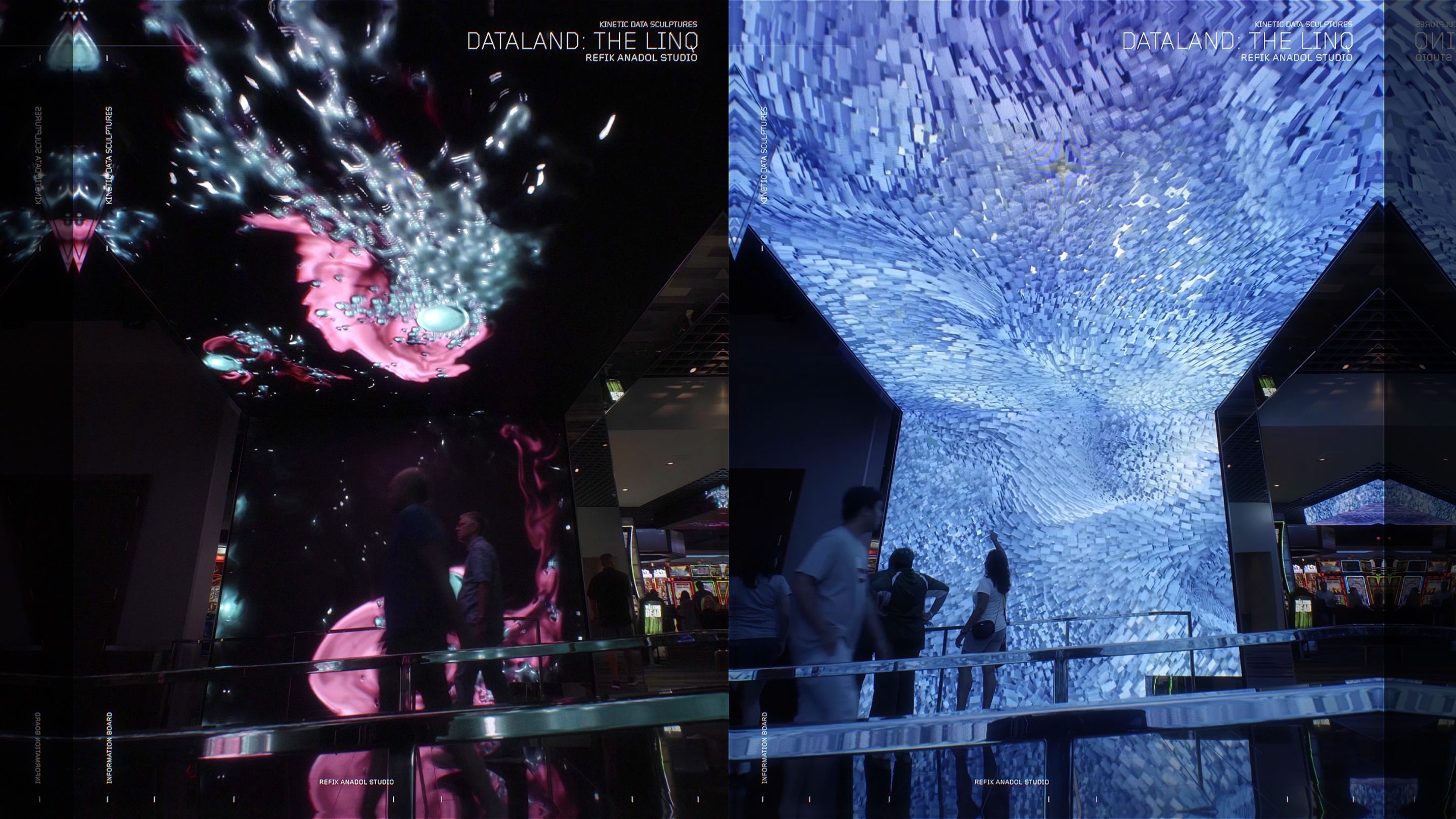
Looking ahead, the museum has announced plans to rotate its exhibitions based on new model training cycles. As the underlying machine learning models are updated with fresh datasets, the art installations within the museum will evolve, ensuring that the institution remains at the cutting edge of AI research. Stakeholders and industry observers are closely monitoring how this model of “living art” will impact traditional art valuation and museum attendance metrics in the coming years. For those interested in tracking the evolution of the museum’s exhibits, the studio maintains an official schedule of updates through their primary creative studio portal, where they outline upcoming research collaborations and technical milestones.
The museum is currently open to the public in Los Angeles, with scheduled rotations of its primary installations. Further updates regarding exhibit changes and research partnerships are expected to be released by the studio in the first quarter of next year. Readers are encouraged to share their experiences or questions regarding the intersection of AI and art in the comments section below.
Keep reading