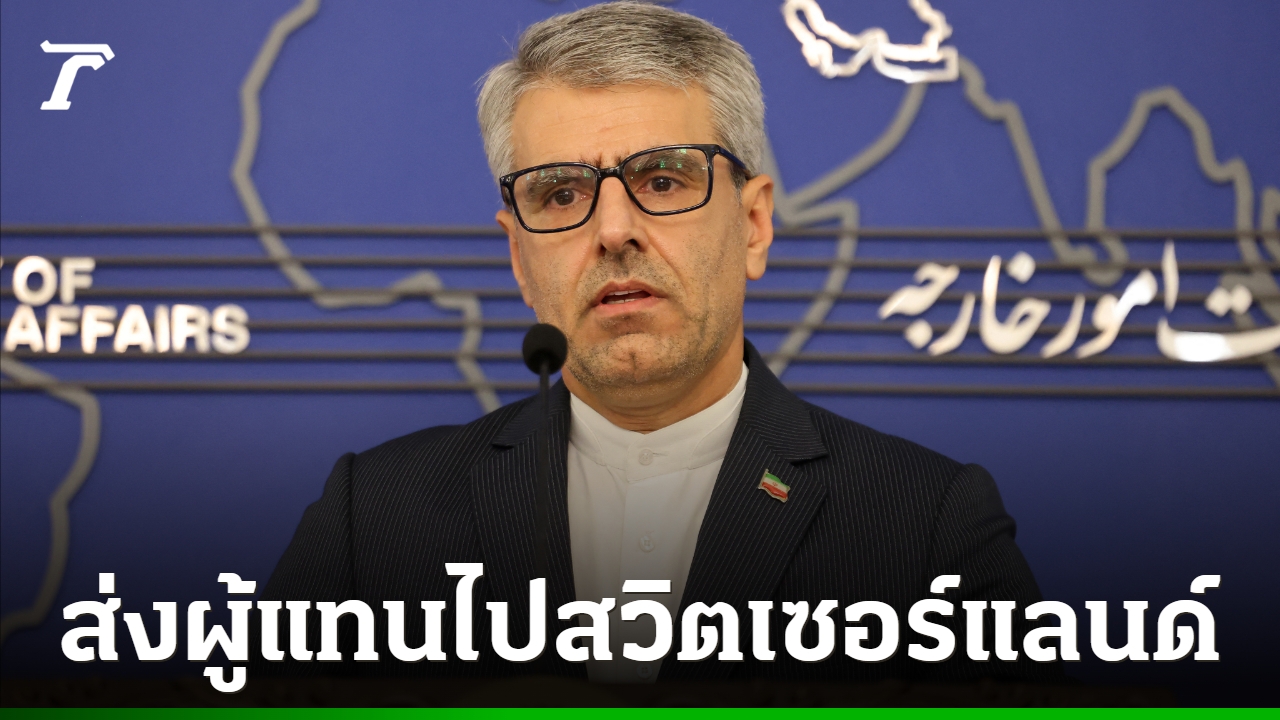
Diplomatic channels between Tehran and Washington remain under heavy scrutiny as reports emerge regarding potential high-level discussions in Switzerland. These developments come amid heightened regional tensions, where the stability of the Strait of Hormuz—a critical maritime chokepoint for global oil supplies—remains a primary focus for international monitors, according to updates from the U.S. Energy Information Administration regarding global transit risks.
The possibility of renewed engagement between Iranian and American representatives follows a period of volatile rhetoric surrounding regional ceasefires. While international observers track these movements, the core of the matter centers on whether both parties can reach a verifiable consensus on mutual compliance with existing agreements, as noted in recent reports by the Reuters Middle East desk.
Geopolitical Context of the Strait of Hormuz
The Strait of Hormuz, through which approximately 20% of the world’s total petroleum liquids consumption passes, is frequently cited as a flashpoint for international security. Any disruption in this area, whether through military posturing or administrative closure, has immediate implications for global energy markets. According to the International Energy Agency (IEA), the reliance of global markets on this specific corridor makes it a central pillar in any diplomatic dialogue involving Iran and the United States.
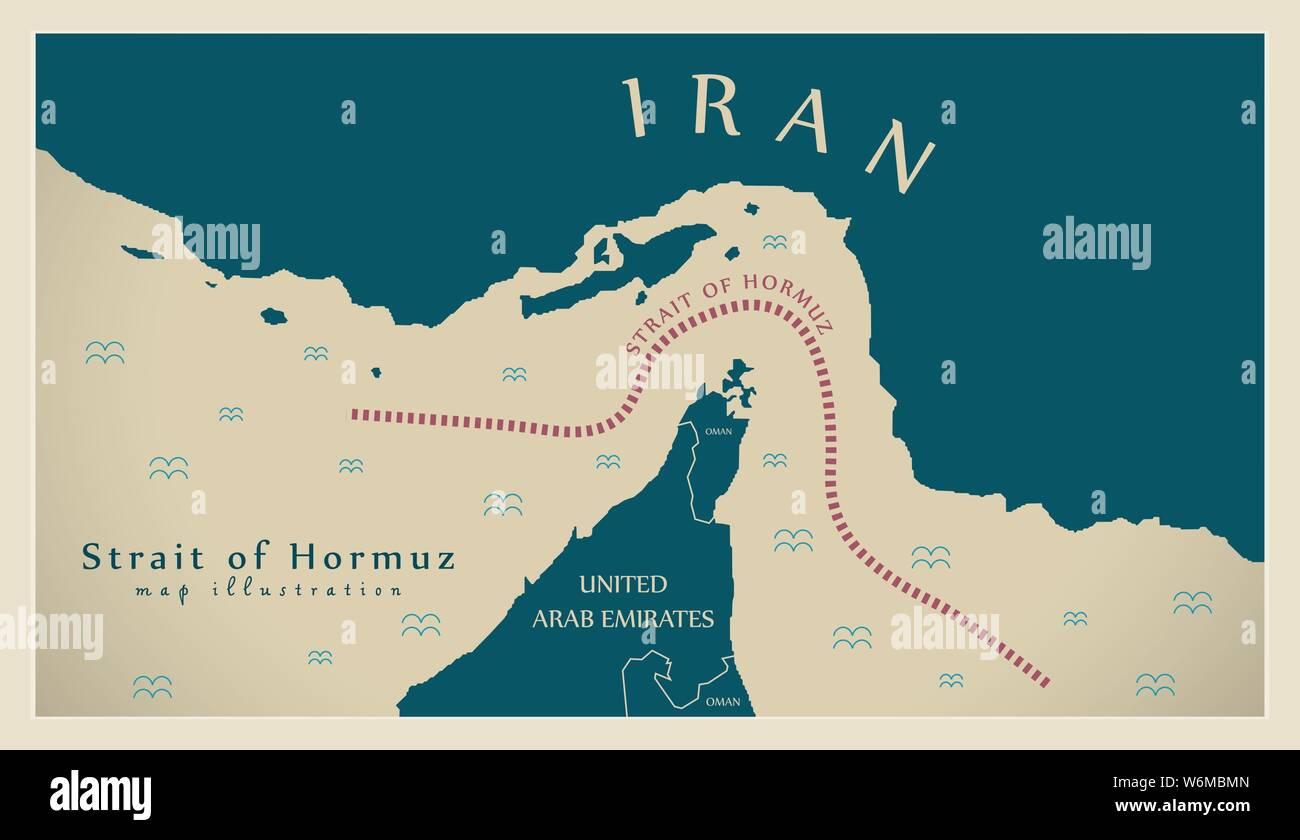
Recent reports of increased naval activity in the region have prompted reactions from international shipping coalitions. While some outlets have suggested that a comprehensive deal is imminent, analysts emphasize that security in the Gulf is contingent upon adherence to broader geopolitical frameworks, including non-proliferation commitments and maritime navigation rights under the United Nations Convention on the Law of the Sea.
Diplomatic Channels and Mediation Efforts
Switzerland has historically served as a neutral intermediary, maintaining a long-standing “protecting power” mandate for U.S. interests in Tehran. This role allows for the exchange of official communications when direct diplomatic relations are severed. The potential for a meeting in Swiss territory is consistent with this established diplomatic architecture, though official spokespeople from both the U.S. State Department and the Iranian Foreign Ministry have yet to confirm a specific date for such a high-level summit.

The role of third-party mediators in facilitating these conversations has been a subject of significant interest. Regional powers, including nations in the Middle East and South Asia, have periodically engaged in “back-channel” diplomacy to prevent the escalation of hostilities. As reported by the U.S. Department of State, the U.S. government maintains that it is open to diplomacy provided that such efforts align with its national security interests and those of its regional allies.
Addressing Compliance and Ceasefire Expectations
The dialogue between these two nations is frequently tethered to the status of broader regional conflicts. Specifically, the implementation of ceasefire agreements in the Levant remains a prerequisite for many of the diplomatic steps discussed in recent weeks. Iran has repeatedly characterized its regional policy as a response to the actions of other actors, while the United States maintains that Iran must demonstrate a measurable commitment to regional stability to warrant a shift in existing sanctions policies.
The complexity of these negotiations lies in the verification process. As outlined by the International Atomic Energy Agency (IAEA) in its ongoing monitoring reports, the gap between political rhetoric and technical compliance remains a significant hurdle. For any agreement to hold, observers look for tangible evidence—such as the cessation of specific military maneuvers or the verifiable reduction of regional proxy support—rather than mere statements of intent.
Monitoring Future Developments
The next phase of these diplomatic efforts will likely be marked by the presence—or absence—of official delegations in Geneva or other Swiss hubs. International monitoring groups are currently tracking official government press releases for any indication that a bilateral meeting has been scheduled. As of this writing, no official date has been set for a summit, and observers are cautioned against relying on unverified reports concerning the closure of maritime routes.
Readers interested in the most accurate, real-time updates are encouraged to monitor official statements from the U.S. Department of State and the Ministry of Foreign Affairs of the Islamic Republic of Iran. These portals serve as the primary sources for determining whether diplomatic progress is being made. Please share your thoughts on the impact of these developments on global energy stability in the comments section below.
Worth a look