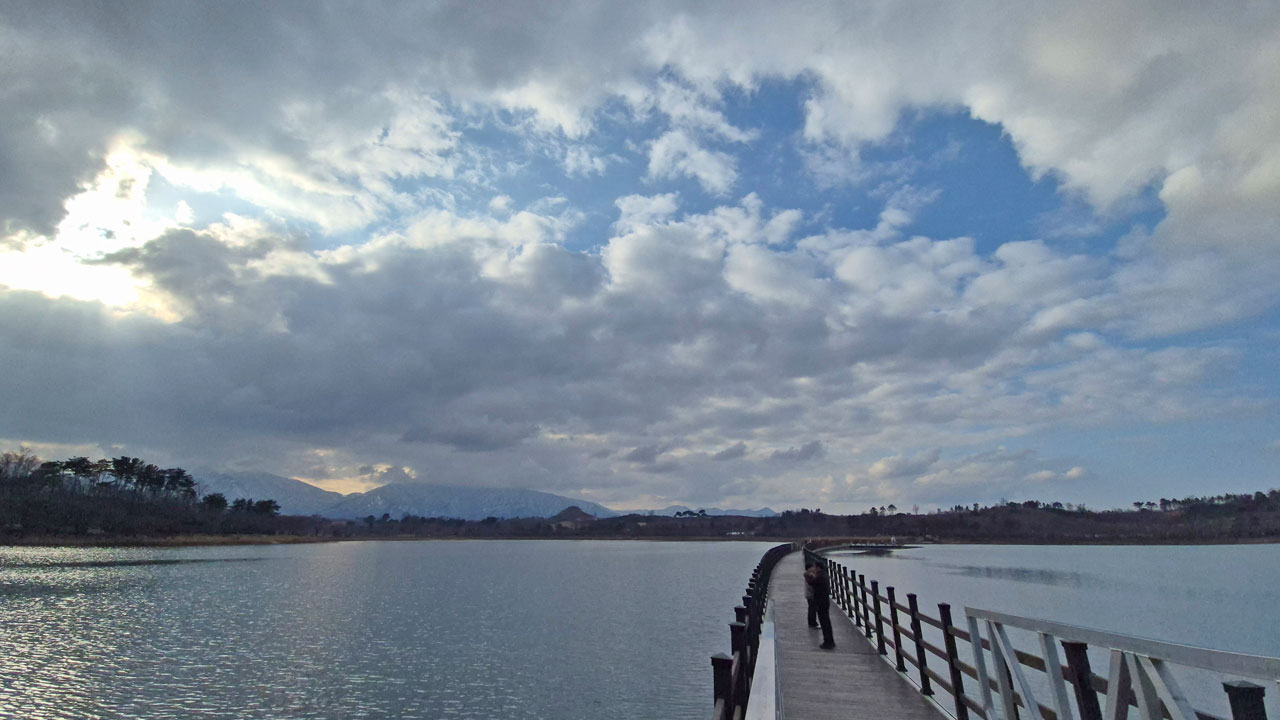
As the Northern Hemisphere marks the summer solstice—known in Korea as “Haji”—the day brings the year’s longest period of daylight, accompanied by high solar intensity across the Korean Peninsula. On June 21, weather authorities reported that while the country experienced intermittent cloud cover, conditions were expected to shift toward overcast skies by the evening hours. According to the Korea Meteorological Administration (KMA), the solstice serves as a seasonal marker for increasing temperatures and intensified ultraviolet radiation, necessitating precautions for outdoor exposure.
The summer solstice occurs when the Earth’s axial tilt is most inclined toward the sun, resulting in the longest day and shortest night of the calendar year. For regions across South Korea, the morning of June 21 began with mild to warm temperatures, with the KMA recorded minimums of approximately 18 degrees Celsius in Seoul and 20 degrees Celsius in Gwangju. These readings align with typical early-summer climate patterns in the region, where the arrival of the solstice often precedes the onset of the East Asian monsoon season.
Understanding Ultraviolet Exposure During the Solstice
The primary concern for public health during the summer solstice is the elevated ultraviolet (UV) index. Because the sun reaches its highest point in the sky, UV radiation levels frequently reach “very high” or “extreme” categories during the midday hours, typically between 10:00 a.m. and 3:00 p.m. The Korea Disease Control and Prevention Agency (KDCA) advises that prolonged exposure without adequate protection—such as high-SPF sunscreen, wide-brimmed hats, and sunglasses—can lead to acute skin damage or heat-related illnesses.
Meteorologists emphasize that cloud cover does not necessarily negate the risk of UV radiation. While intermittent clouds may provide temporary relief from direct heat, UV rays can penetrate thin cloud layers, often leading to a false sense of security for individuals spending extended time outdoors. Health officials recommend checking the real-time UV index provided by the national weather service before planning outdoor activities, particularly on days when the sun remains above the horizon for over 15 hours.
Atmospheric Trends and Evening Shifts
The transition from clear or partly cloudy morning skies to more overcast conditions by the evening on June 21 reflects the complex, moisture-laden air masses often present during this time of year. While the solstice is a fixed astronomical event, the associated weather patterns are highly variable. The KMA noted that humidity levels are expected to rise as the season progresses, which often exacerbates the perceived temperature, commonly referred to as the “heat index.”
For residents, the evening cooling trend is often less pronounced following the solstice due to the lingering warmth in urban heat islands. In metropolitan areas like Seoul, concrete and asphalt absorb solar radiation throughout the long daylight hours and release it slowly overnight. This phenomenon often keeps nighttime temperatures higher than in rural areas, impacting overall sleep quality and energy consumption for cooling purposes.
Preparedness for Early Summer Heat
As the region moves deeper into the summer, the focus shifts toward managing the risks of heatwaves. The Ministry of the Interior and Safety maintains a rigorous monitoring system for heat-related injuries, issuing advisories when daily high temperatures are projected to exceed specific thresholds for consecutive days. Residents are encouraged to stay hydrated and avoid strenuous labor during peak heat hours.
For those tracking daily shifts, the Korea Meteorological Administration provides continuous updates through its official website and mobile applications. These updates include specific regional forecasts, air quality indices, and maritime warnings. Readers are encouraged to monitor these official channels for the most accurate information as weather patterns evolve throughout the week. If you have questions regarding safety protocols or local weather impacts, please share your thoughts or inquiries in the comments section below.