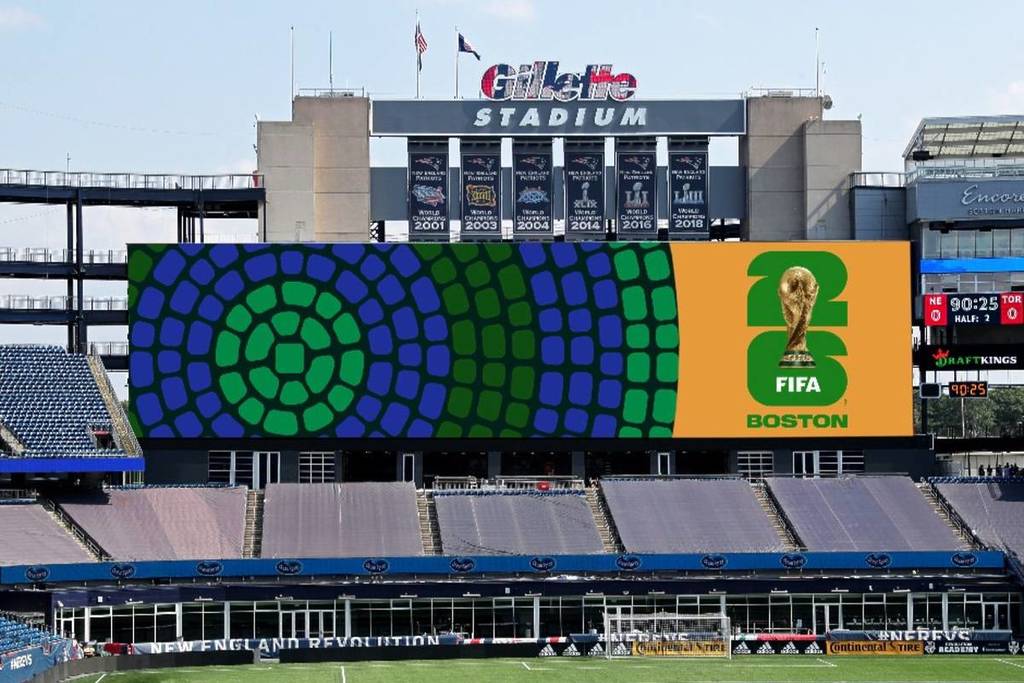
Boston’s cultural landscape recently underwent a marked shift as the city hosted a significant influx of Scottish visitors for the FIFA World Cup qualifiers. According to official municipal reports, the surge of international sports fans created a temporary economic and social footprint across the city, reminiscent of a major festival atmosphere. While local businesses experienced a sharp increase in activity, the departure of the traveling supporters has now initiated a period of transition for the city’s hospitality and tourism sectors.
The presence of supporters, often identified by their traditional kilts and the sound of bagpipes, was concentrated primarily in downtown hubs and designated fan zones. Data from the City of Boston’s Economic Development office indicates that large-scale international sporting events provide a measurable boost to local revenue, particularly for establishments in the North End and Seaport districts. For local merchants, the challenge now lies in recalibrating operations following the high-volume demand generated by the tournament’s match schedule.
Economic Impact of International Sporting Events
The economic ripple effect of hosting international sports fans in Boston remains a subject of ongoing analysis by local trade organizations. According to the Greater Boston Chamber of Commerce, events that draw thousands of international visitors typically lead to a spike in hotel occupancy rates and restaurant receipts. During the week in question, the hospitality sector reported near-capacity bookings, a trend consistent with previous large-scale international gatherings in the Commonwealth of Massachusetts.

However, the departure of these groups necessitates a return to standard operational baselines. Business owners in the downtown corridor have noted that while the influx provided a significant short-term gain, the logistical demands of managing such crowds required additional staffing and security measures. The Massachusetts Office of Travel and Tourism tracks these cycles to better prepare for future international events, noting that the “post-event lull” is a standard phase of the tourism lifecycle in urban environments like Boston.
Cultural Integration and Public Atmosphere
The visual and auditory presence of Scottish culture—ranging from musical performances to traditional attire—provided a unique backdrop to the city’s daily rhythm. Local authorities confirmed that public safety and crowd management protocols remained in effect throughout the duration of the matches. According to the Boston Police Department, the events concluded without major public disturbance, attributing the orderly atmosphere to effective coordination between event organizers and city officials.
For many residents, the experience highlighted the city’s capacity to serve as a global hub for sports tourism. Sociologists and urban planners often cite these moments as essential for maintaining Boston’s global reputation. As the city transitions back to its regular pace, the focus has shifted toward reviewing the logistical lessons learned from the recent surge, ensuring that infrastructure remains resilient for future international visitors.
What Happens Next for Boston’s Tourism Sector
Looking ahead, the City of Boston is preparing for the next cycle of regional and international events scheduled through the remainder of the calendar year. According to the Meet Boston tourism board, the city’s strategy involves diversifying the types of events hosted to maintain consistent economic activity. The next major update regarding city-wide event impact is expected during the upcoming quarterly fiscal review, where officials will evaluate the total tax revenue generated by the recent influx of visitors.
City officials have encouraged business owners and residents to provide feedback on the recent influx via the municipal online portal to assist in planning for future international gatherings. As Boston returns to a quieter rhythm, the focus remains on sustaining the momentum gained during this period of high international visibility. We invite our readers to share their observations on how these large-scale events affect their neighborhoods in the comments section below.
Keep reading