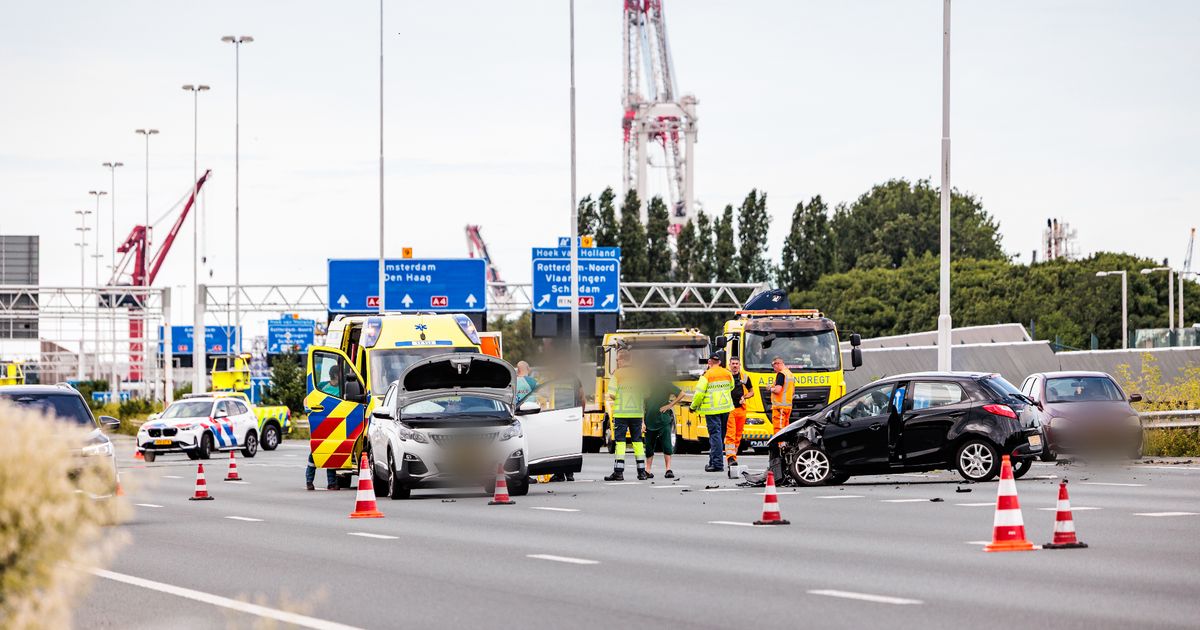
A multi-vehicle collision involving several cars on the A4 motorway near Rotterdam caused significant traffic disruption and lane closures during the morning peak hours. Emergency services responded to the scene shortly after the incident occurred near the Beneluxtunnel, leading to temporary lane restrictions that affected regional commuters and freight traffic moving through the Rijnmond area.
According to reports from Rijkswaterstaat, the national authority responsible for the management of the Dutch motorway network, the accident resulted in injuries, though specific details regarding the condition of those involved remained limited as of the latest update. Traffic flow was heavily impacted, with authorities closing multiple lanes to facilitate the safe extraction of vehicles and the investigation of the crash site.
Sequence of Events on the A4 Motorway
The chain-reaction collision took place on the A4, a vital transit artery for the Rotterdam port region. Motorists traveling in the direction of the Beneluxtunnel experienced severe delays as traffic backed up for several kilometers. Emergency teams, including ambulances and police units, were dispatched to the site to provide medical assistance and secure the perimeter.
The incident, commonly referred to in local reporting as a kettingbotsing (chain collision), necessitated the temporary closure of multiple lanes. Traffic management systems operated by Verkeersinformatiedienst (VID) and Rijkswaterstaat monitored the congestion, advising drivers to seek alternative routes or expect substantial travel time increases during the morning commute.
Managing Regional Traffic Flow
The A4 near the Beneluxtunnel is a known bottleneck in the Dutch road network. When incidents occur in this section, the impact often cascades into the surrounding Schiedam and Rotterdam road networks. Rijkswaterstaat typically coordinates with local law enforcement to clear such accidents as efficiently as possible to restore normal traffic capacity.
For drivers navigating the region, official traffic updates are provided in real-time through the VanAnaarBeter portal, which serves as the primary source for roadwork and incident-related delays in the Netherlands. Motorists are encouraged to check these official channels before departure, especially during high-traffic periods, to receive the most accurate information regarding lane availability and estimated clearance times.
Emergency Response and Investigation
Following the collision, emergency personnel focused on stabilizing the scene and ensuring the safety of all commuters. While the exact cause of the crash remains under investigation by local police, typical protocols for such incidents involve documenting the sequence of vehicle impacts and assessing whether external factors—such as weather conditions or mechanical failure—played a role.
The presence of emergency vehicles and the resulting lane closures are standard measures taken to protect both the victims and the first responders operating on the highway. Once the vehicles are removed and the road surface is cleared of debris, authorities perform a final safety check before reopening the lanes to regular traffic. Updates on the status of the investigation are expected to be released through official municipal or regional police channels as they become available.
How to Monitor Traffic Updates
For those frequently traveling through the Rijnmond area, maintaining access to reliable traffic information is essential for safety and planning. The following resources are recognized for providing verified, up-to-the-minute data on Dutch motorway conditions:
- Rijkswaterstaat Verkeersinformatie: The official government source for motorway status and incident reports.
- VanAnaarBeter: A comprehensive platform offering data on road infrastructure and current traffic flow.
- NOS Teletekst (Pagina 700): A traditional yet highly reliable source for urgent traffic updates in the Netherlands.
The investigation into the circumstances surrounding the collision is ongoing. Authorities will provide further details, including any potential traffic advisories for the coming days, through their official communication channels. Readers are encouraged to share this information with fellow commuters to ensure widespread awareness of ongoing traffic disruptions in the Rotterdam region.
Related reading