
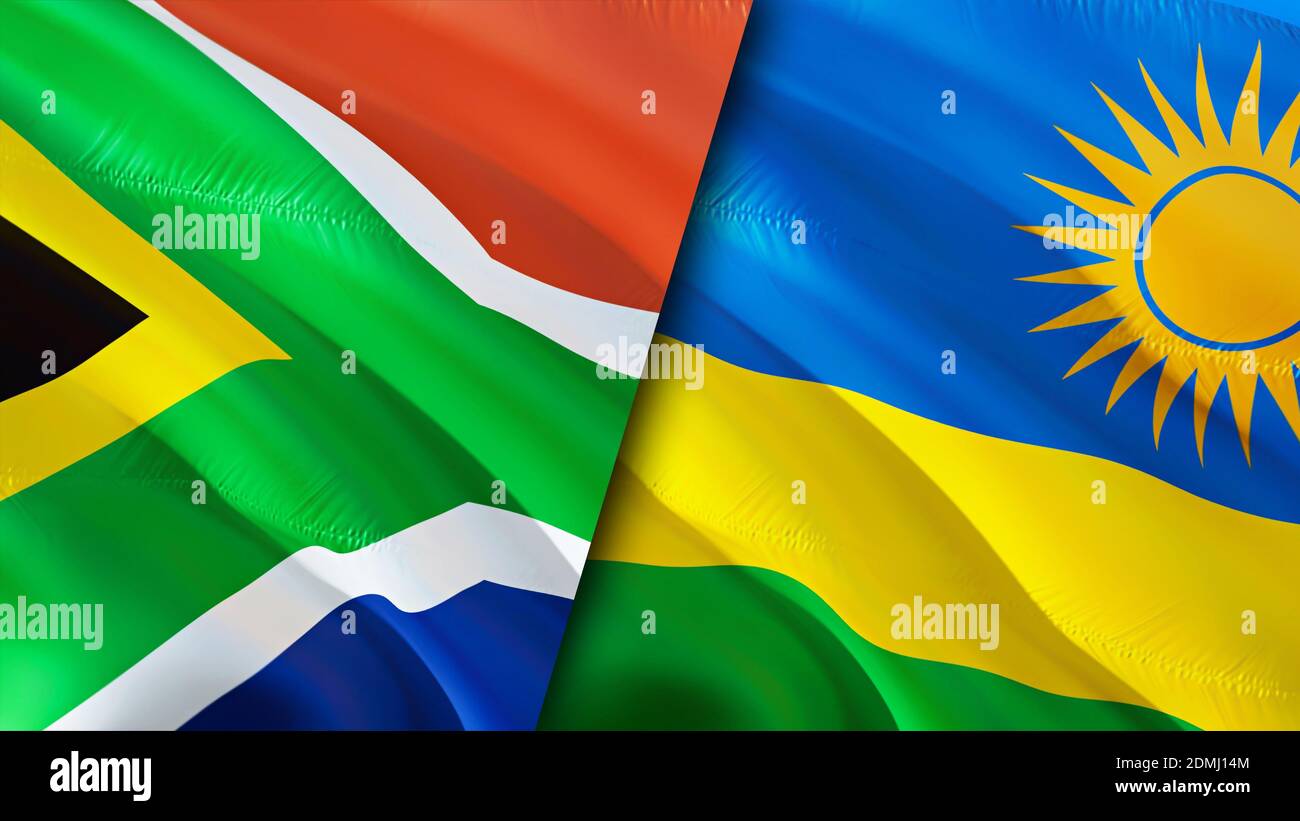
Diplomatic relations between Rwanda and South Africa are showing signs of a measured thaw following over a decade of strained ties, as both nations move toward a strategic partnership focused on regional stability and increased people-to-people mobility. High-level engagements between Kigali and Pretoria have replaced years of political friction with a renewed emphasis on cooperation, marking a significant shift in the bilateral dynamic of two of the continent’s most influential actors, according to recent government briefings and diplomatic assessments from the South African Department of International Relations and Cooperation.
The relationship between the two nations reached a nadir in 2014, when South Africa expelled three Rwandan diplomats following an investigation into an alleged assassination attempt against exiled Rwandan dissident Faustin Kayumba Nyamwasa, a move that prompted a reciprocal expulsion of South African diplomats from Kigali, as reported by the BBC. For years, the presence of Rwandan opposition figures in South Africa and allegations of cross-border interference remained persistent obstacles to normalization. However, recent meetings between officials suggest a pragmatic pivot, likely driven by the shared necessity of regional economic integration and security cooperation within the Southern African Development Community (SADC) and the East African Community (EAC) frameworks.
The Path to Diplomatic Normalization
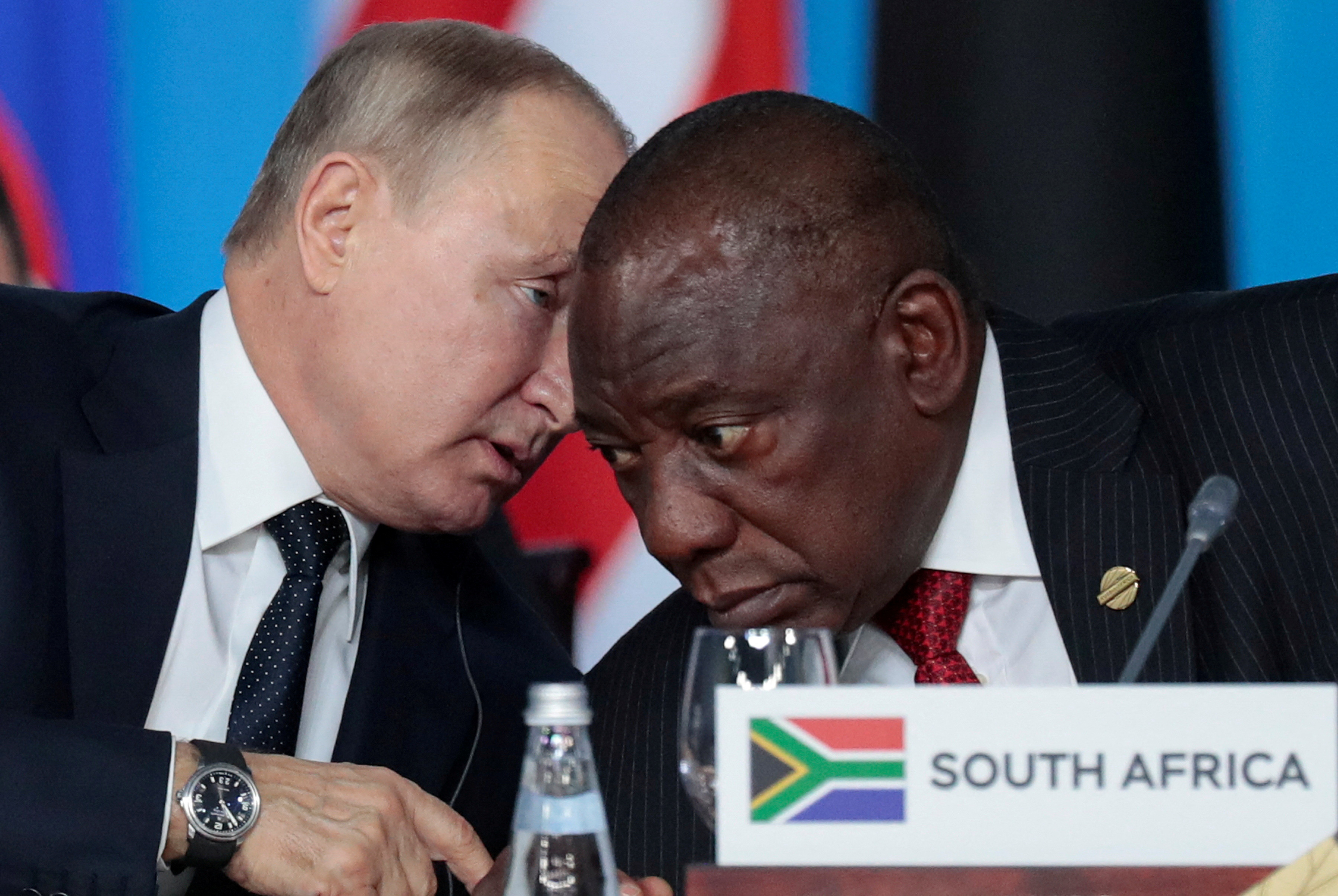
Recent diplomatic activity indicates a transition from mutual suspicion to structured dialogue. In recent years, both countries have signaled an intent to restore full diplomatic functionality, including the normalization of visa services and the return of high-level envoys. According to the South African Government, the restoration of these ties is considered essential for the broader African Union’s Agenda 2063, which emphasizes intra-continental cooperation. Analysts note that the shift is not merely symbolic; it represents a strategic realignment as both Pretoria and Kigali seek to manage regional security threats, particularly in the eastern Democratic Republic of Congo, where both nations maintain distinct, and sometimes conflicting, security interests.
Enhancing People-to-People Mobility
A core component of this rapprochement is the easing of travel restrictions, which have long hampered trade and tourism between the two countries. The resumption of efficient visa processing is expected to facilitate business partnerships and educational exchanges. Data from the Statistics South Africa periodically highlights the importance of intra-regional tourism and business travel to the national economy, and an open border policy with Rwanda is viewed as a key step in strengthening these economic corridors. By reducing the administrative burden on citizens, both governments aim to foster a climate of trust that has been absent for the better part of a decade.
Regional Security and Strategic Interests
The strategic partnership between Rwanda and South Africa carries significant weight for the continent’s security architecture. South Africa, often viewed as a regional hegemon in the Southern African bloc, and Rwanda, an increasingly influential player in East and Central Africa, have divergent approaches to conflict resolution. The Institute for Security Studies has frequently documented how these differing approaches have previously complicated regional peace efforts. By engaging in direct, high-level talks, both capitals are attempting to mitigate the risks of proxy tensions and ensure that their respective foreign policies do not lead to direct confrontation in shared spaces of influence.
Next Steps in the Bilateral Agenda
The next confirmed checkpoint for this warming relationship is the upcoming session of the Joint Permanent Commission for Cooperation (JPCC), a mechanism designed to oversee the implementation of bilateral agreements. While specific dates for the next plenary session remain subject to final scheduling by the respective ministries of foreign affairs, the focus remains on the formalization of agreements regarding trade, intelligence sharing, and consular services. Officials from both sides have indicated that these meetings will serve as a barometer for the durability of the current thaw.
The progress of these negotiations remains a point of interest for regional observers and the international community. We invite our readers to share their perspectives on the role of bilateral diplomacy in strengthening continental unity in the comments section below.
Related reading