
For the modern traveler, the best men’s travel blazers in 2026 balance wrinkle resistance, temperature regulation, and a structured silhouette that maintains its shape after hours in transit. Selecting the right garment requires an understanding of textile technology, as contemporary designs increasingly favor high-performance synthetic blends and technical wools over traditional heavy fabrics. Independent testing of options from brands including Uniqlo, Suitsupply, and Eddie Bauer indicates that versatility remains the primary metric for business-casual mobility.
As a physician and journalist who has evaluated medical-grade textiles and consumer apparel, I have observed a distinct shift toward “active-wear” tailoring. Travelers now prioritize garments that can transition directly from a long-haul flight to a professional boardroom setting without necessitating a steamer. This guide evaluates the current market landscape based on durability, material composition, and functional design.
Evaluating Performance Fabrics in Modern Tailoring
The core of a functional travel blazer lies in its material science. According to the Textile World industry standards, the integration of elastane and technical polyester has revolutionized how garments withstand the physical stressors of travel, such as compression in overhead bins or prolonged periods of sitting. Unlike traditional 100% wool suiting, which often requires significant maintenance to prevent creasing, these performance blends utilize high-twist yarns that naturally resist deformation.
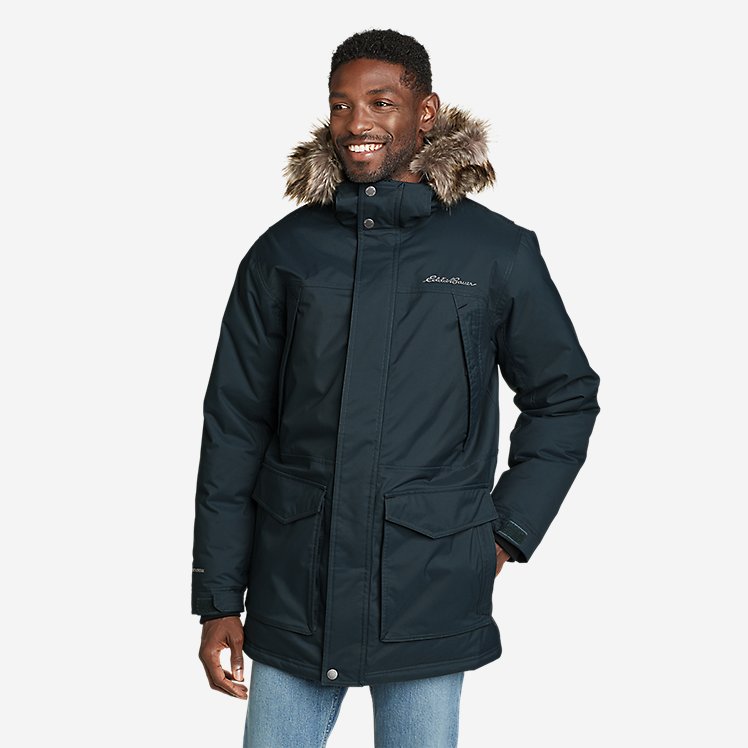
Uniqlo’s approach to this category centers on the “Comfort Jacket” series, which frequently utilizes proprietary dry-stretch technology. This material is designed for moisture-wicking, an essential feature for travelers moving between varying climates. In contrast, Suitsupply leans into Italian-inspired aesthetics, often incorporating wool-silk-linen blends that provide a more refined texture while maintaining a degree of natural resilience. Eddie Bauer’s offerings, meanwhile, often prioritize utility, incorporating zippered interior pockets and water-resistant finishes that cater to the “adventure-travel” segment of the market.
Design Considerations for Transit and Utility
A blazer’s utility is defined by its ability to secure personal items and maintain a professional appearance under duress. When selecting a travel-ready jacket, experts recommend prioritizing construction over purely aesthetic markers. A half-canvassed or unconstructed blazer is generally superior for travel because it lacks the stiff, internal padding that can become permanently creased or damaged when folded into a suitcase.

According to research from the Federal Trade Commission regarding textile labeling, consumers should verify the fiber content to ensure the garment meets their specific needs for breathability. For instance, a traveler heading to a humid climate should look for a higher percentage of linen or high-twist wool, whereas those in colder regions might benefit from a denser, bonded knit fabric. The structural integrity of the shoulder—often the most vulnerable part of a blazer—is a key indicator of quality; a well-designed travel blazer will feature flexible, soft-shoulder construction that resets its shape quickly after being unpacked.
Comparison of Leading Market Silhouettes
The following table outlines the functional differences between common construction styles found in the 2026 market, based on current retail specifications and industry manufacturing standards.
| Brand Style | Primary Material | Best Use Case |
|---|---|---|
| Technical Knit | Polyester/Elastane Blend | Long-haul flights, high activity |
| Soft-Tailored Wool | High-Twist Merino Wool | Business meetings, formal transitions |
| Utility-Focused | Nylon/Cotton Blend | Outdoor commutes, variable weather |
While technical knits offer the highest level of comfort, they often lack the crisp lapel roll of a wool-blend jacket. Travelers must decide if their priority is absolute comfort or professional sharpness. For those requiring a middle ground, many manufacturers now offer “travel-specific” wool blends that have been treated with anti-wrinkle finishes, providing the aesthetics of a formal suit with the convenience of an athletic garment.
What Happens Next in Apparel Innovation
The future of travel-ready menswear is increasingly focused on sustainability and “smart” textiles. As reported by The Business of Fashion, major retailers are investing in recycled synthetic fibers that offer the same stretch and wrinkle-recovery properties as virgin petroleum-based materials. This shift is in response to both consumer demand for eco-conscious products and tightening international regulations regarding textile waste.
For the traveler, this means that by late 2026 and into 2027, we can expect to see more blazers that incorporate antimicrobial properties—a significant advantage for garments intended to be worn for multiple days of travel without access to professional dry cleaning. As these technologies become more accessible, the gap between high-end bespoke tailoring and mass-market travel apparel will likely continue to narrow, favoring the consumer who values both form and function.
Readers are encouraged to monitor upcoming seasonal collection releases from major retailers for updates on these new textile integrations. If you have specific experiences with travel-ready blazers, please share your insights in the comments section below to help our global community make informed purchasing decisions.
Keep reading