Italian Prime Minister Giorgia Meloni has publicly challenged U.S. President-elect Donald Trump to prioritize his own domestic approval ratings following a series of critical remarks directed at her administration. The exchange, which has drawn international attention, centers on Meloni’s assertion that the incoming American leader’s public comments regarding Italy’s political stance are both unprovoked and lacking in substance, according to reporting by Reuters.
The diplomatic friction intensified after Donald Trump issued statements targeting the Italian government’s recent policy decisions and broader political trajectory. Meloni, who has led Italy since October 2022, responded by dismissing the criticism, framing the rhetoric as an unnecessary intrusion into Italian sovereignty. By telling the president-elect to focus on his own popularity, the Italian leader signaled a firm departure from the traditionally deferential tone often adopted by European heads of state when engaging with American executive power, as noted in assessments by CBS News.
Origins of the Diplomatic Dispute
The tension between Rome and the incoming administration in Washington stems from a series of public barbs regarding Italy’s current political alignment. While the two leaders have previously shared ideological common ground on several right-wing populist issues, the recent escalation reflects a shift toward open confrontation. According to the Associated Press, Meloni described the president-elect’s comments as “constant, unprovoked attacks,” characterizing them as fundamentally senseless in the context of bilateral relations.
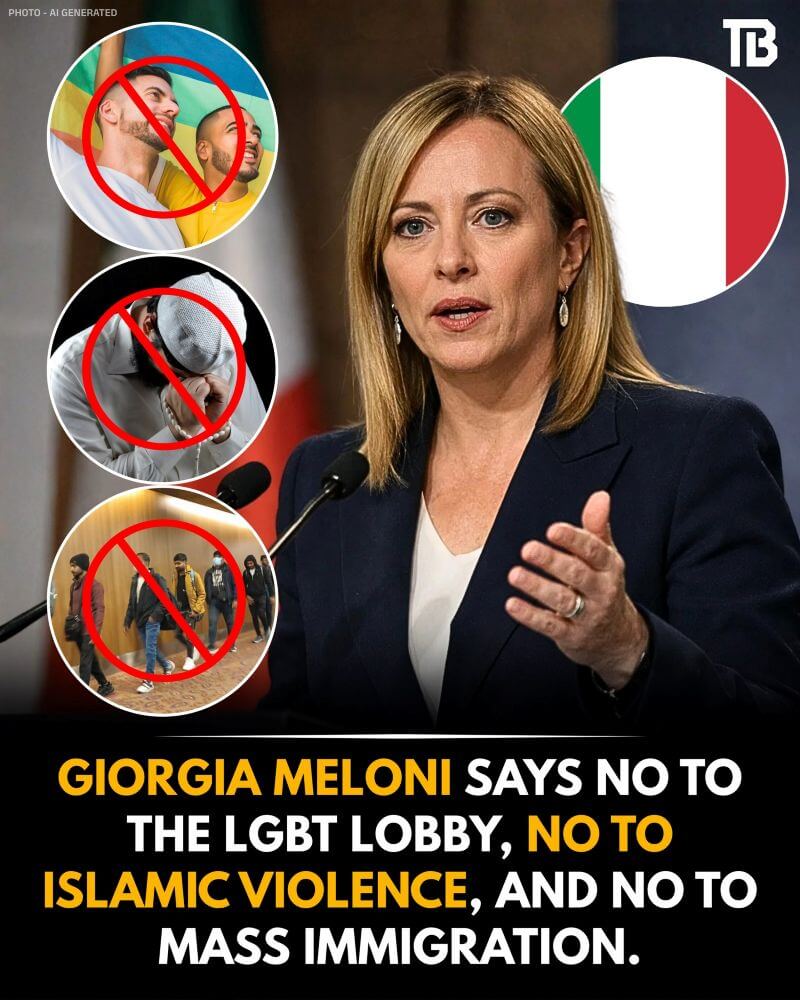
Analysts suggest this public spat highlights the complexities of navigating the “America First” foreign policy platform as it intersects with European national interests. For the Italian government, the primary objective remains maintaining stability within the European Union while managing the expectations of a incoming U.S. leader who has historically prioritized transactional diplomacy. The friction appears rooted in differing views on economic policy and Italy’s commitment to multilateral agreements, subjects that have frequently served as flashpoints in transatlantic discourse, as reported by The New York Times.
The Response from Rome
In a direct address to the criticism, Meloni maintained that Italy does not “beg” for approval or validation from foreign powers. Her administration has emphasized that the nation’s political decisions are the result of democratic mandates within Italy, not external pressures. This stance is seen by political observers as an attempt to consolidate her domestic base, which prizes national autonomy, while simultaneously demonstrating to international partners that Italy remains an independent actor, according to BBC News.
The Italian government has not yet indicated whether it intends to seek a formal diplomatic channel to resolve the dispute or if it will continue to respond in the public sphere. Historically, the relationship between Italian prime ministers and U.S. presidents has been a pillar of Mediterranean security and economic cooperation. The current trajectory, however, suggests that the incoming U.S. administration may pursue a more confrontational approach toward traditional European allies, forcing leaders like Meloni to recalibrate their public communication strategies.
Looking Ahead: Transatlantic Implications
The next major checkpoint in this developing narrative will be the official transition of power in Washington, scheduled for January 20, 2025. Following the inauguration, observers expect a recalibration of diplomatic protocols as the new administration begins to outline its specific legislative and foreign policy priorities. The impact of these comments on long-term trade agreements and defense cooperation between the U.S. and Italy remains to be seen, with both nations currently awaiting the formal appointment of key cabinet positions in the U.S. that will influence foreign relations, as documented by the White House transition office.

As the situation evolves, the global community is watching to see if the rhetoric remains confined to public statements or if it will translate into policy shifts. For now, both capitals remain in a period of strategic assessment. We invite our readers to join the conversation in the comments section below and share your perspective on how this diplomatic strain might influence European and American relations in the coming year.
Worth a look