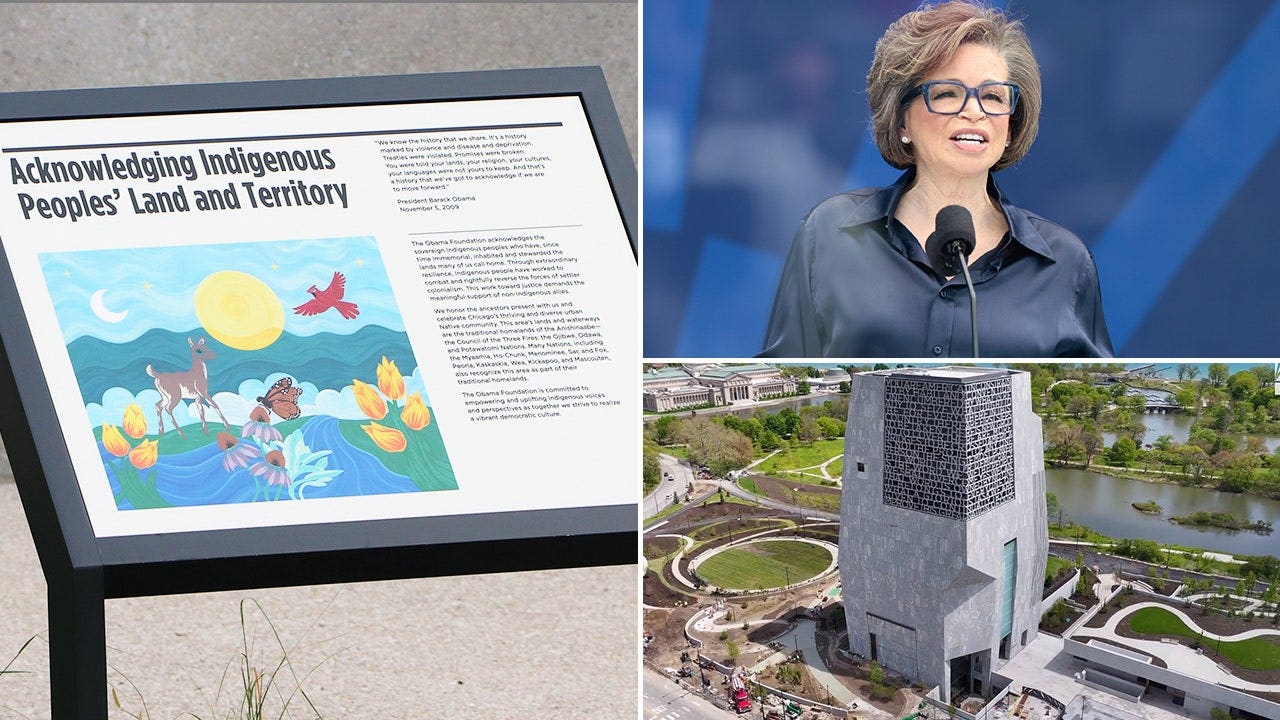
The Obama Presidential Center, currently under construction in Chicago’s Jackson Park, has incorporated a formal acknowledgment of the Indigenous peoples who historically inhabited the region into its site design. This addition follows years of public debate regarding the project’s environmental impact, its location on protected public parkland, and its broader influence on the surrounding South Side neighborhoods, according to project documentation from the Obama Foundation.
The development of the Obama Presidential Center represents a significant administrative and urban planning undertaking in Chicago. The project, which occupies approximately 19.3 acres of Jackson Park, has been subject to extensive federal and local review processes, including an environmental assessment required by the National Environmental Policy Act (NEPA) due to the involvement of federal oversight and funding, as detailed by the National Park Service. Since the center’s inception, the site has remained a focal point for community organizers, historic preservationists, and local residents concerned with issues ranging from potential gentrification to the loss of public green space.
Historical Context and Land Acknowledgment
The inclusion of Indigenous messaging at the site is part of a broader effort by the Obama Foundation to address the historical significance of the land. The Chicago region, including the area now designated as Jackson Park, served as a traditional gathering place for various Indigenous nations, including the Council of the Three Fires—the Ojibwe, Odawa, and Potawatomi—as well as the Ho-Chunk, Miami, and Menominee peoples, as documented by the City of Chicago’s Department of Cultural Affairs and Special Events. By embedding these acknowledgments into the physical landscape of the center, organizers aim to formalize a recognition of this history.
This initiative arrives amid ongoing tensions regarding the project’s footprint. While supporters emphasize the potential for economic revitalization and the creation of a global hub for civic engagement, critics have argued that the privatization of public parkland sets a concerning precedent. According to records from the City of Chicago, the project agreement includes a long-term lease for the site, a move that faced legal challenges from groups like the Protect Our Parks organization, which sought to halt construction on the grounds that the project violated the public trust doctrine.
Project Scope and Community Impact
The Obama Presidential Center is designed to house a museum, a public library, and various community spaces. Construction timelines have shifted throughout the project’s life, with recent milestones including the opening of specific community-focused areas to the public. These events, which have featured appearances by former President Barack Obama and former First Lady Michelle Obama, serve to highlight the foundation’s commitment to the South Side, a region that played a pivotal role in the former president’s early career in community organizing.

Economic impact remains a central pillar of the foundation’s argument for the center’s necessity. The foundation has cited projections for job creation and increased tourism revenue for the Woodlawn and Jackson Park neighborhoods. However, these projections are frequently contrasted with concerns from local housing advocates regarding rising property taxes and the displacement of long-term residents. Data from the Cook County Clerk’s office regarding property tax assessments in the vicinity of major development projects often serves as a baseline for these community discussions.
Navigating Public Criticism and Design
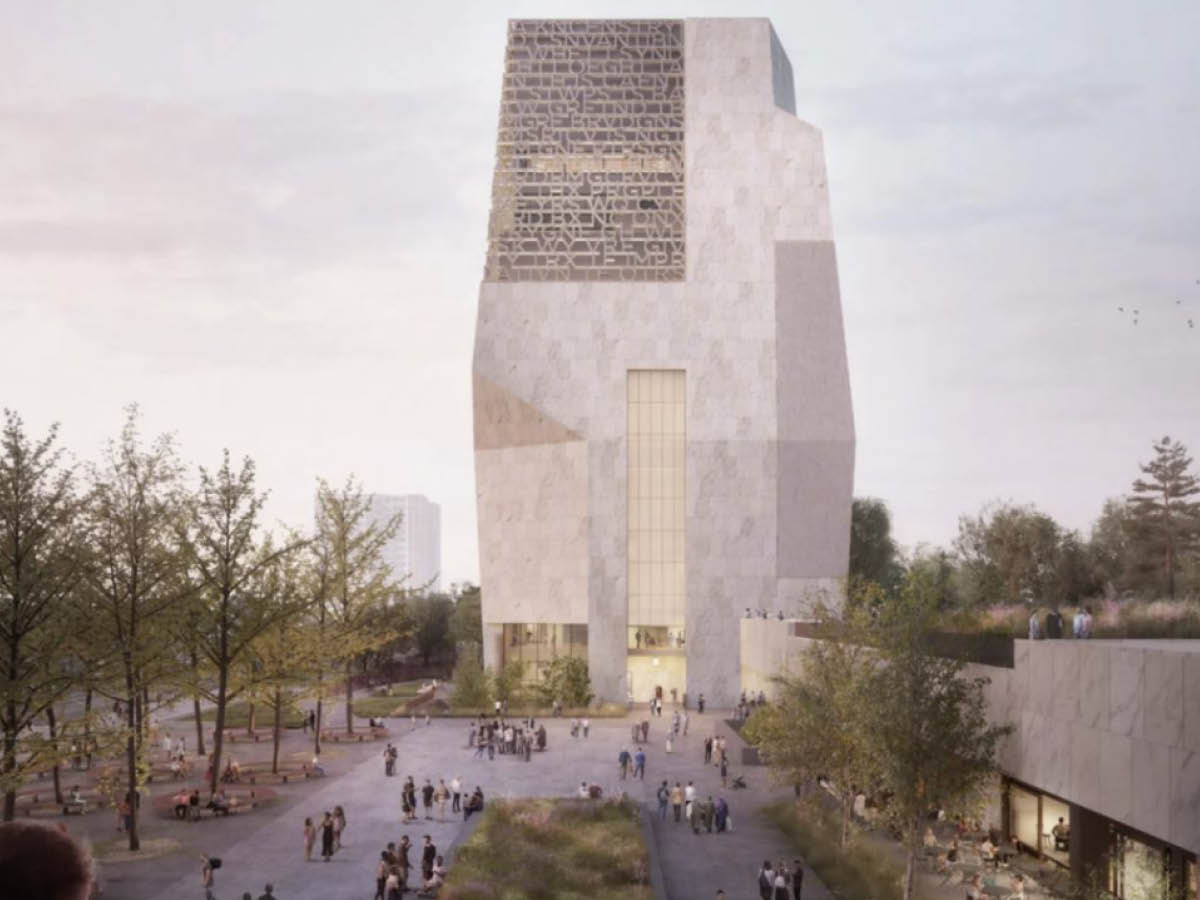
Architectural and structural critiques have also colored the project’s development. The design, characterized by a prominent tower, has been described by various observers as a departure from the traditional aesthetics of presidential libraries. Some local commentators have expressed reservations about the scale of the structure in relation to the historic landscape design of Jackson Park, which was originally envisioned by Frederick Law Olmsted for the 1893 World’s Columbian Exposition. The National Register of Historic Places lists Jackson Park as a significant cultural landscape, necessitating a rigorous Section 106 review process to mitigate the impact of new construction on the park’s historic character.
The Obama Foundation has consistently maintained that the center is designed to be an open, accessible space for the community. In response to criticism, the project team has adjusted site plans to include expanded green spaces and pedestrian-friendly infrastructure. The inclusion of Indigenous messaging is viewed by the foundation as a component of its broader mission to foster inclusivity and historical awareness within the campus.
Looking Ahead: Future Milestones
As the construction enters its final phases, the focus of the Obama Foundation is shifting toward the operational aspects of the center. Future milestones include the final completion of the museum interior and the official opening of the library archives. These developments will be subject to ongoing oversight by the City of Chicago and the relevant federal agencies responsible for monitoring the project’s adherence to the original land-use and environmental agreements.

Official updates regarding the project’s progress and upcoming public events are maintained by the Obama Foundation. The next scheduled public engagement sessions, which typically address community programming and employment opportunities, are announced through the foundation’s official digital portals. Readers and community members are encouraged to monitor these sources for direct information regarding site access and future project updates.
Keep reading