
The United States Men’s National Team (USMNT) continues its strategic evolution on the international stage, building a squad defined by a diverse talent pool and increasing tactical cohesion. Following a high-profile 2-0 victory against Australia in recent international competition, the program is currently focused on long-term development cycles ahead of major continental and global tournaments. According to official reports from U.S. Soccer, the team’s current roster reflects a deliberate emphasis on integrating players with varied international experiences, a trend that analysts suggest is reshaping the identity of American men’s soccer.
Building a Competitive Roster Through Global Talent
The recent success of the U.S. squad highlights a growing reliance on players who have developed their skills within both the domestic Major League Soccer (MLS) structure and prominent European leagues. This dual pathway provides the coaching staff with a tactical flexibility that was previously inconsistent in earlier cycles. As noted by FIFA, the globalization of player development pipelines has allowed national federations to tap into deeper talent reservoirs, often utilizing the backgrounds of players with dual-national heritage to strengthen specific positional needs.
The victory over Australia served as a barometer for this strategy. By maintaining defensive discipline and capitalizing on transition moments, the U.S. demonstrated a level of maturity that coaching staff members have highlighted as a priority for the current cycle. For supporters and analysts, the match underscored a shift toward a more pragmatic, results-oriented approach compared to previous eras that prioritized possession-heavy styles regardless of opponent profile.
Tactical Evolution Under Current Leadership
The tactical setup employed by the U.S. technical staff emphasizes high-intensity pressing and rapid vertical transitions. This style of play is designed to exploit the physical conditioning of a younger roster, a hallmark of the program’s recent training camps. According to match data published by ESPN, the team’s ability to control the midfield against established opponents like Australia suggests that the current tactical framework is gaining traction among the core group of starters.
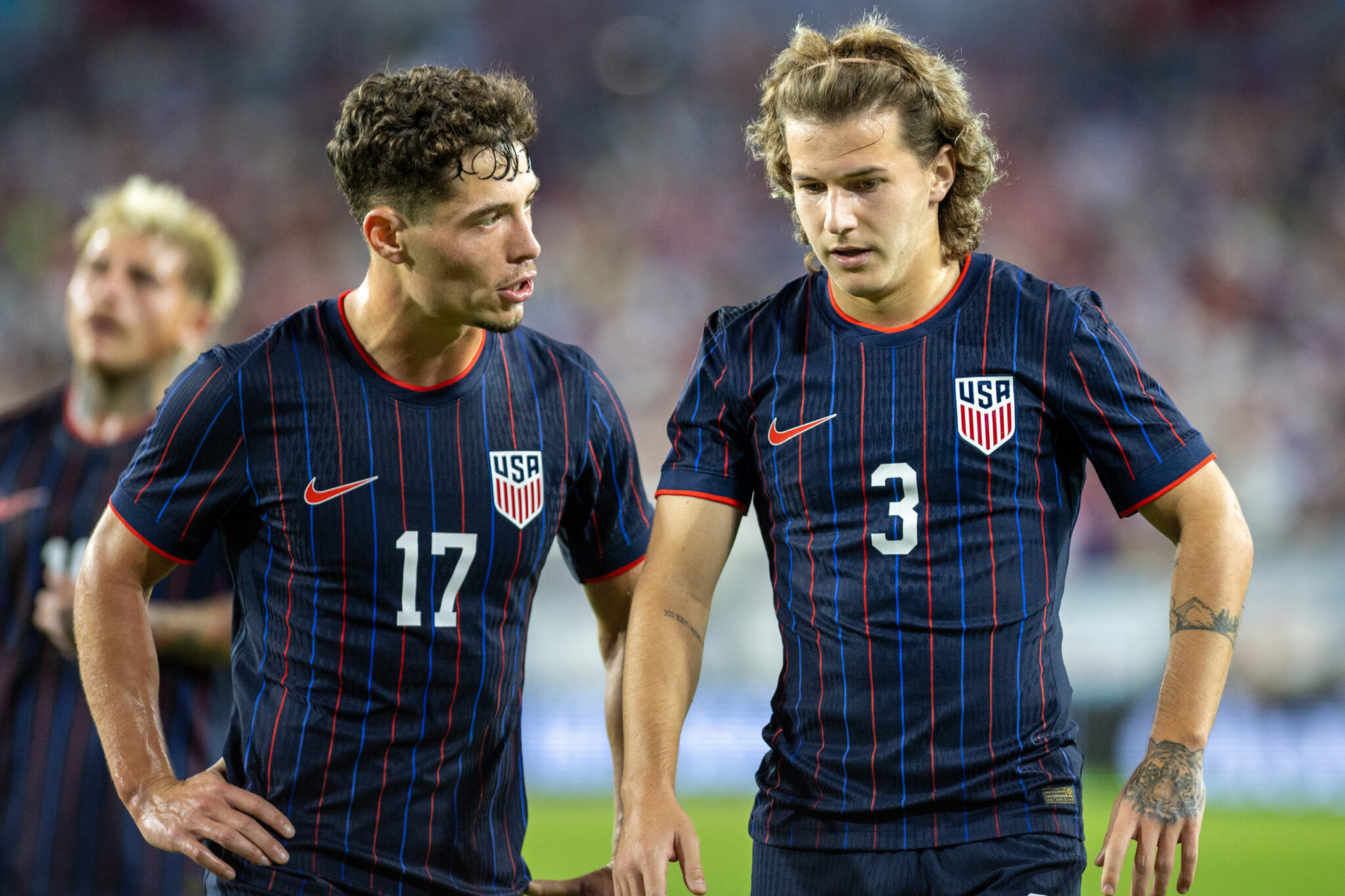
Consistency remains the primary challenge for the program. While the win against Australia provided a morale boost and concrete evidence of progress, the team must now replicate these performances against top-tier global competition. The integration of younger players—many of whom are still establishing themselves at the club level—requires careful management of player load and international travel, factors that the federation monitors closely throughout the calendar year.
Looking Ahead: The Path to Future Tournaments
The focus for the USMNT now shifts toward the upcoming CONCACAF Nations League fixtures and preparations for the next FIFA World Cup cycle. With the United States serving as a co-host for the 2026 tournament, the pressure to perform is significant. The federation has stated that its primary goal is to foster a “championship culture” that transcends individual match results, focusing instead on building a deep, resilient squad capable of competing with the world’s elite teams.
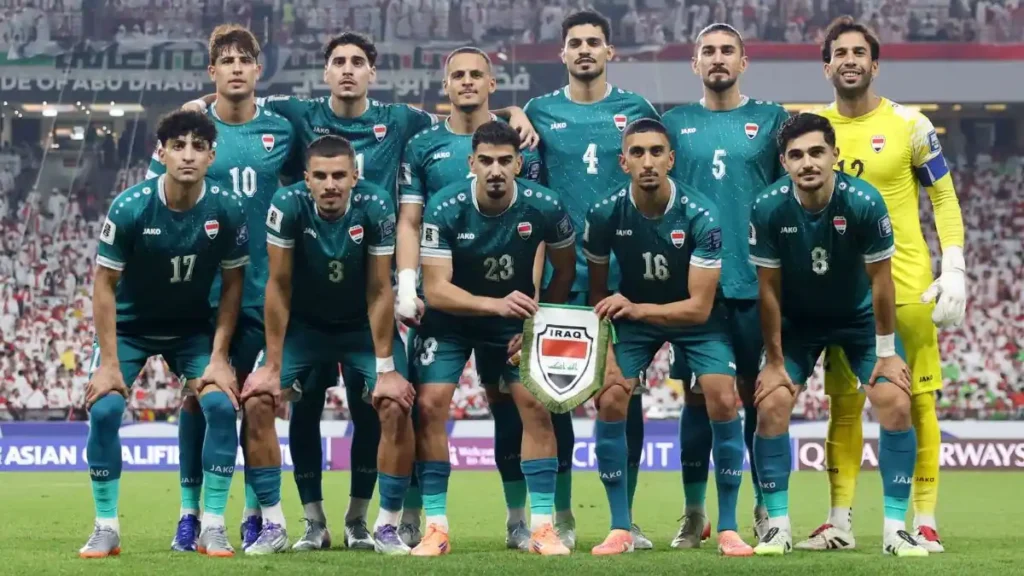
Official schedules for the remainder of the year are managed through the CONCACAF portal, where fans can track upcoming fixtures and ticket availability. As the team moves forward, the primary metric for success will be the ability to maintain this defensive structure while simultaneously increasing offensive efficiency in the final third. The upcoming international break will provide another opportunity for the coaching staff to evaluate fringe players and solidify the starting XI before the next competitive window opens.
The U.S. Men’s National Team returns to action in the coming months, with official match dates and venue confirmations expected to be released via the team’s official digital channels. We encourage readers to join the conversation below by sharing their thoughts on the team’s current trajectory and the tactical adjustments observed in recent matches.
Keep reading