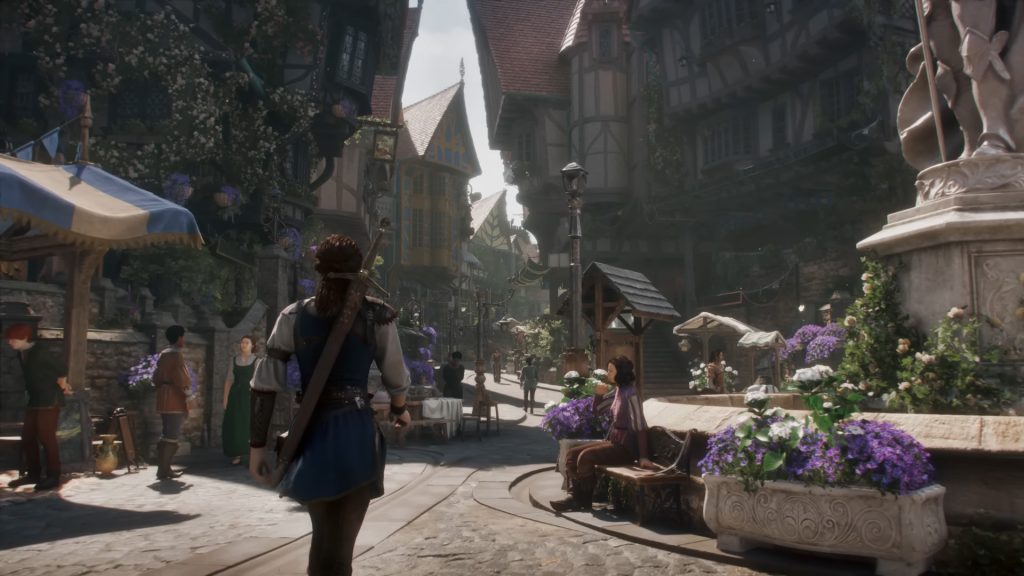
The medieval RPG genre, long dominated by established titans, is seeing a surge of interest as new independent titles attempt to redefine the player experience through technical ambition and historical immersion. Recent footage circulating on platforms like YouTube has highlighted a growing wave of indie developers moving away from fantasy tropes to focus on gritty, realistic, or system-heavy medieval simulations. These titles often aim to challenge market leaders by prioritizing deep mechanical complexity over traditional quest-marker navigation.
For players and industry observers, this shift represents a departure from the “theme park” style of role-playing games that have defined the last decade. By leveraging modern game engines and sophisticated physics-based combat systems, these developers are attempting to capture a niche audience that values emergent gameplay—where the world reacts dynamically to player decisions rather than following a scripted path. According to industry analysis from GamesIndustry.biz, the success of such titles often hinges on their ability to sustain player engagement through complex crafting, survival, and social hierarchies rather than just graphical fidelity.
The following YouTube video provides a visual look at one such project currently seeking to capture the attention of the RPG community:
The Rise of Simulation-Heavy RPGs
Modern medieval RPGs are increasingly defined by their adherence to simulationist principles. Unlike high-fantasy epics that rely on magic systems, these new projects frequently emphasize the logistical challenges of the Middle Ages. Developers are focusing on mechanics such as dynamic weather, hunger, fatigue, and realistic combat injury systems. This trend is supported by the widespread availability of middleware like Unreal Engine 5, which allows smaller studios to achieve visual standards once reserved for AAA developers, as noted in recent reports by IGN.
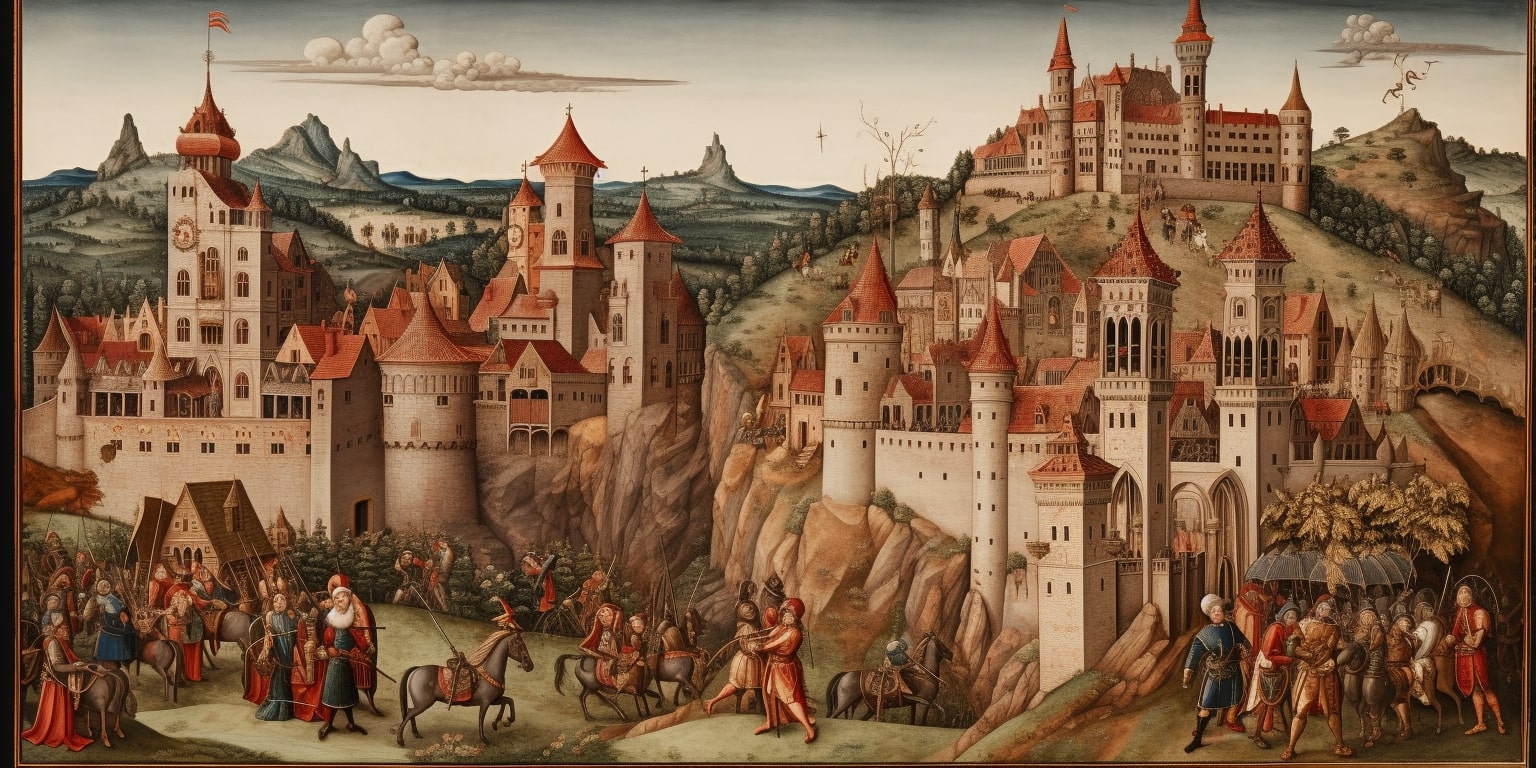
The appeal for players lies in the “living world” concept. In these games, the environment is not merely a backdrop but a series of systems that interact with one another. If a player burns down a granary, the local economy—and the price of food—reacts accordingly. This level of systemic depth requires significant engineering work, a challenge that many independent studios are tackling by prioritizing early access feedback loops to refine their core game loops over several years of development.
Why Players Are Shifting Toward Indie Medieval Titles
The growing preference for indie-developed medieval RPGs is largely driven by a demand for higher difficulty and player agency. Many players report “franchise fatigue” with blockbuster series that have become increasingly streamlined and formulaic. In contrast, smaller, ambitious projects often allow for “emergent storytelling,” where the most memorable moments in the game are those that the developers did not explicitly script. This shift in player preference is documented in market trends analyzed by Polygon, which tracks how independent titles often foster more dedicated, albeit smaller, communities through direct interaction with developers on platforms like Discord and Steam.
Furthermore, the democratization of development tools has allowed creators to focus on specific, hyper-realistic niches. Whether it is a focus on castle management, realistic sword fighting, or political intrigue, these games provide a depth that broad-spectrum RPGs often sacrifice to appeal to a wider demographic. The result is a segmented market where players can choose the specific type of medieval fantasy—or historical realism—that suits their playstyle.
What Happens Next for the Genre
As these projects move through their development cycles, the primary hurdle remains the transition from technical proof-of-concept to a polished, feature-complete product. The gaming industry is littered with “ambitious” projects that failed to deliver on their initial promises. According to PC Gamer, the most successful recent indie RPGs are those that maintain transparency about their development roadmaps and utilize early access programs to stress-test their systems before a full 1.0 release.

Looking ahead, the next significant milestone for many of these developers will be their presence at major industry trade shows or upcoming Steam Next Fest events, where they will have the opportunity to prove their mechanics to a wider audience. Investors and publishers are watching these metrics closely to determine which concepts have the potential to scale. For those interested in tracking the progress of these titles, official Steam community pages and developer social media feeds remain the most reliable sources for updates, patch notes, and roadmap revisions.
What do you think of this shift toward simulation-heavy medieval RPGs? Share your thoughts in the comments below, and be sure to follow our coverage as these projects continue to evolve toward their official release dates.
Keep reading