
Pope Francis has emphasized the universal nature of the Catholic Church’s mission, asserting that no distance is too great for the message of Christ’s love. During recent pastoral engagements, including a visit to the tomb of Saint Augustine in Pavia, the pontiff highlighted the necessity of maintaining a direct, personal connection with faith as the foundation for social and spiritual life.
The Pope’s remarks, delivered to diverse audiences ranging from youth groups to those suffering from chronic illness, centered on the theme of reconciliation and active compassion. According to the Holy See’s official press office, these messages serve as a framework for his ongoing efforts to address global polarization and the suffering of the marginalized. For the Vatican, the recent focus on Pavia—a city historically significant for its ties to Saint Augustine—underscores the Church’s objective to link historical tradition with contemporary humanitarian challenges.
The Significance of the Visit to Pavia
Pope Francis’s visit to Pavia was framed as both a celebration of the city’s heritage and a call to civic responsibility. The pontiff described the city as a “gift and a task,” urging residents and local leaders to view their community as a space where faith translates into tangible service to the vulnerable. This pastoral visit, which took place in late 2024, included a solemn moment of reflection at the Basilica of San Pietro in Ciel d’Oro, where the relics of Saint Augustine are preserved, as documented by the Vatican Bulletin.
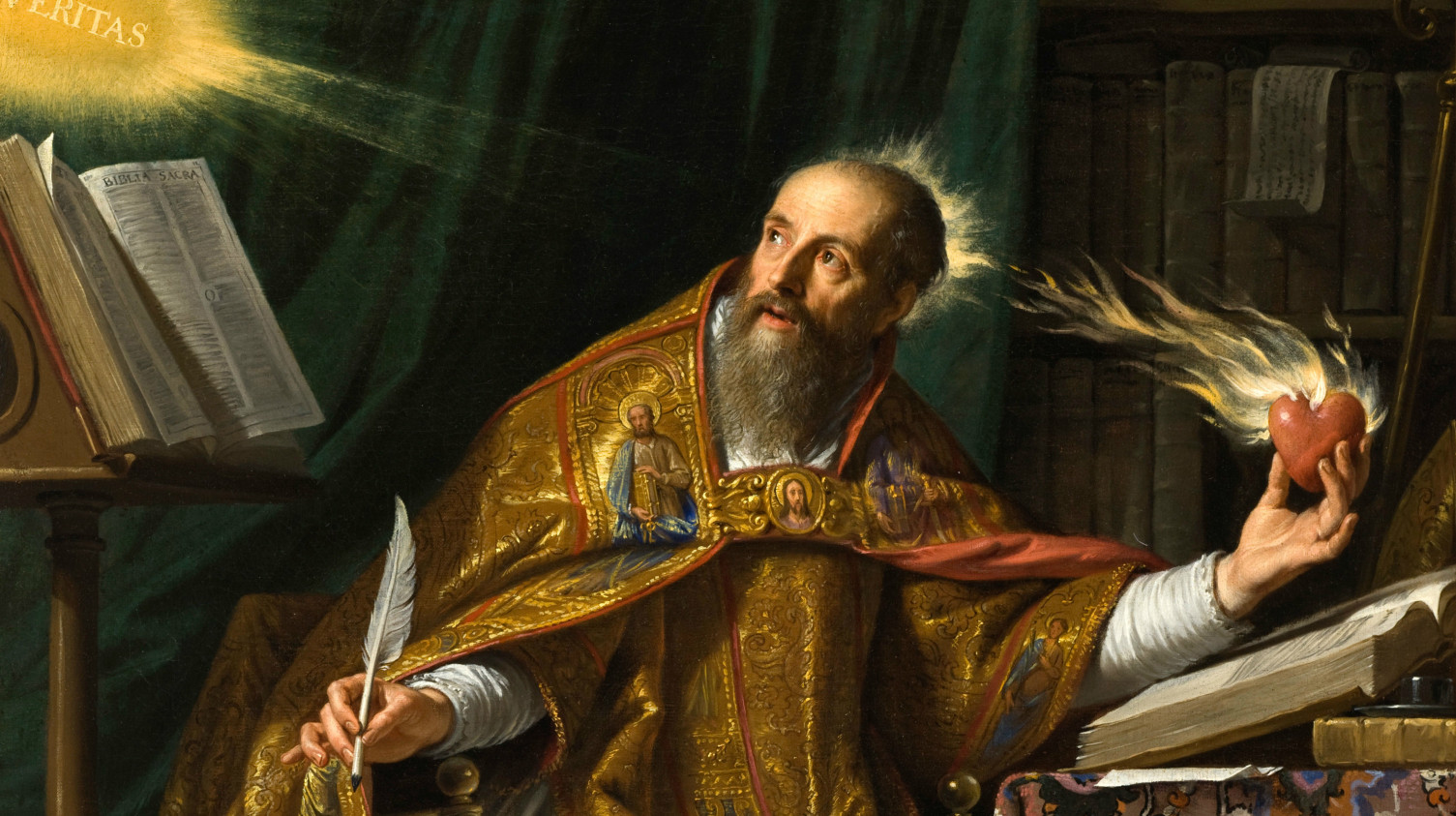
By focusing on the life of Saint Augustine, the Pope sought to remind the faithful that the intellectual and spiritual pursuit of truth requires a humble connection to the divine. This aligns with the broader Vatican strategy of encouraging local dioceses to engage more deeply with their specific historical and cultural contexts to address modern isolation and secularization.
Addressing Youth and the Call for Peace
In a direct address to younger generations during his recent travels, Pope Francis issued a plea for a shift in communication, specifically regarding the rise of digital hostility. He stated that the time has come to move beyond hateful rhetoric, urging youth to initiate peace-building efforts within their own lives. This message is consistent with the Pope’s repeated calls for global social harmony, which have been a hallmark of his pontificate since his election in 2013.
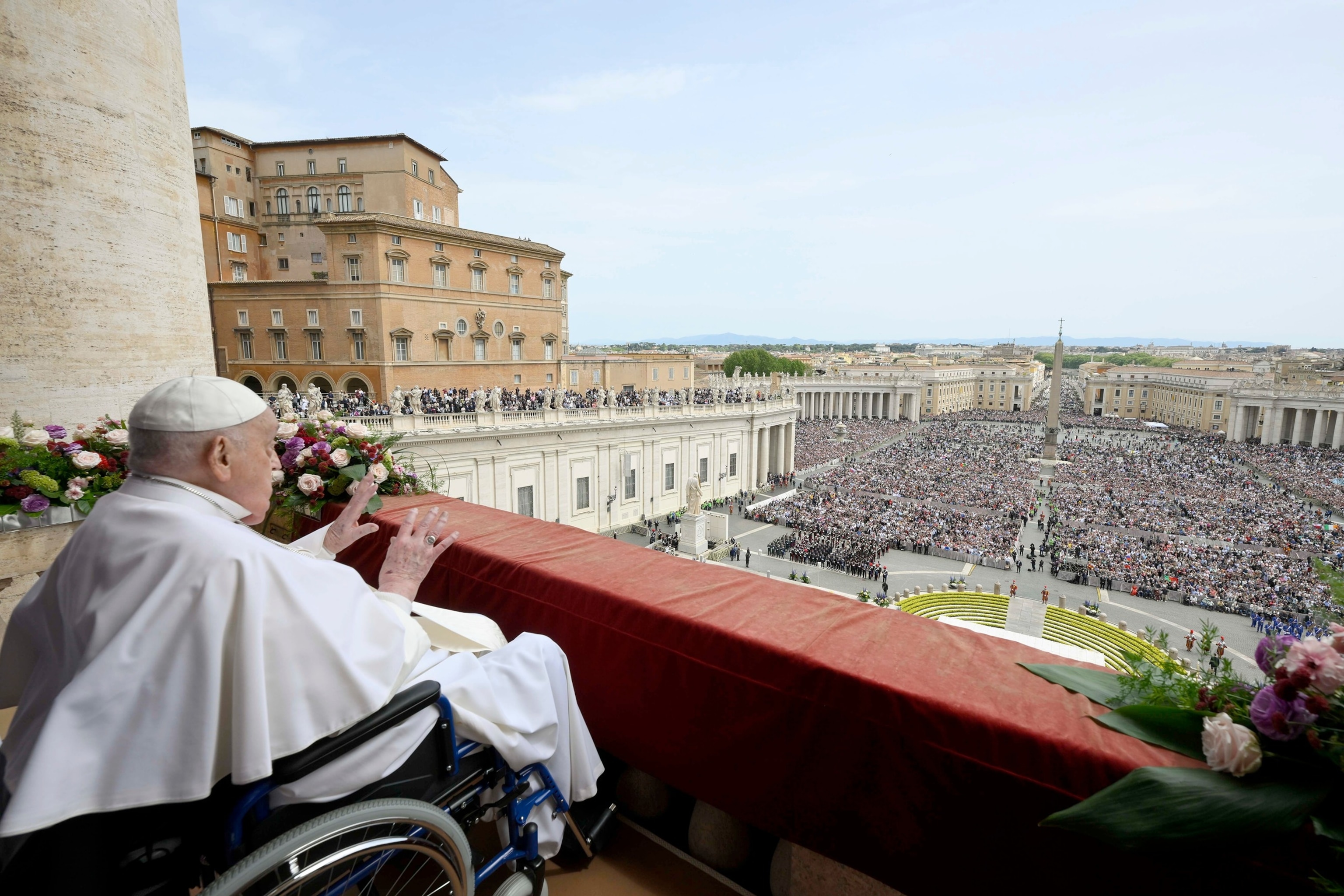
The pontiff’s emphasis on “starting with oneself” is a strategic pivot designed to counter the systemic nature of online bullying and political extremism. By framing peace as a personal duty rather than just a diplomatic achievement, the Vatican aims to empower individuals to influence their immediate social environments, thereby creating a ripple effect of tolerance and understanding.
Compassion for the Suffering
During his interactions with cancer patients and those enduring long-term medical struggles, the Pope addressed the complexities of human suffering. He offered a message of comfort, noting that the divine perspective is fundamentally opposed to the experience of pain. This theological stance, reported by official Vatican transcripts, is intended to provide spiritual solace while simultaneously encouraging the medical community to prioritize the dignity of the patient in all clinical settings.
The Vatican’s engagement with health care remains a priority, with the Dicastery for Promoting Integral Human Development frequently coordinating with global health organizations to advocate for equitable access to treatment. These efforts reflect the Pope’s conviction that the Church must be a “field hospital,” present where the need is greatest, regardless of geographic or political boundaries.
Looking Ahead: The Church’s Global Mission
The Vatican’s current pastoral trajectory suggests a continued focus on decentralized outreach. By visiting smaller, historically significant cities like Pavia, the Pope is signaling a shift away from exclusively center-based diplomacy, favoring direct engagement with local populations. This approach is expected to continue through the upcoming liturgical year, with further travel plans likely to be announced via the official Vatican portal in the coming months.

The effectiveness of this outreach remains a subject of ongoing discussion among theologians and social observers. While some point to the Pope’s ability to draw large crowds as evidence of his influence, others emphasize the challenge of translating these messages into lasting policy changes. As the Church prepares for upcoming plenary sessions, stakeholders are watching to see how these themes of love, peace, and suffering will be integrated into the broader governance of the global institution. Readers are encouraged to monitor future updates from the Holy See for official schedules and upcoming encyclicals regarding these themes.