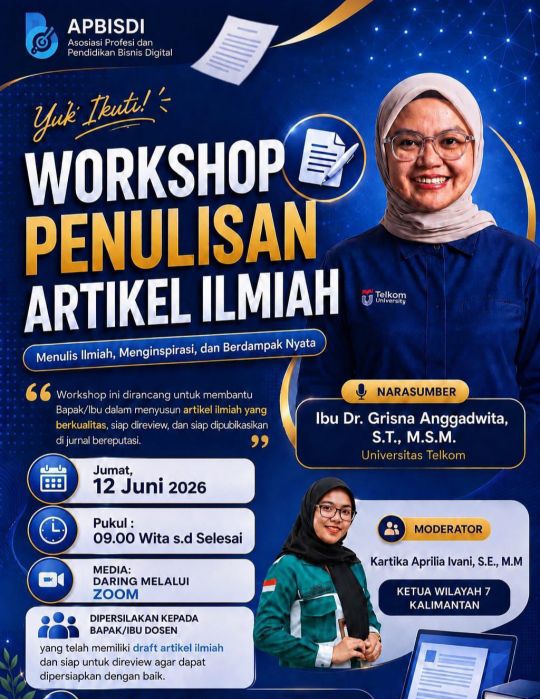
The Association of Indonesian Business Administration Science Lecturers (APBISDI) has initiated a targeted training program to improve the quality of scientific publication among its members. By focusing on the rigorous demands of writing academic articles, the organization aims to elevate the visibility and impact of research produced by business administration scholars within the national and international academic landscape.
Effective scholarly communication is a foundational pillar for higher education institutions, serving as a primary metric for academic accreditation and knowledge dissemination. Dr. Helena Fischer, Editor of Health at World Today Journal, notes that standardized training in academic writing is critical for ensuring that research findings meet the stringent peer-review requirements of indexed journals. For faculty members, these sessions provide a structured approach to translating complex administrative theories into publishable, evidence-based manuscripts.
The Role of Academic Writing in Higher Education
Scientific publication serves as the primary vehicle for career progression and institutional assessment in Indonesia. The Indonesian Ministry of Education, Culture, Research, and Technology (Kemendikbudristek) maintains specific mandates regarding the dissemination of research, often tying funding and institutional rankings to the volume and quality of publications in reputable, indexed journals, as detailed in the official guidelines for academic performance.
For scholars in the field of business administration, the challenge lies in balancing empirical rigor with practical industry application. Training programs organized by bodies like APBISDI typically address the common hurdles faced by researchers, including the selection of appropriate journals, adherence to specific style guides, and the navigation of the peer-review process. According to the Science and Technology Index (SINTA), which tracks research output in Indonesia, the ability to produce high-impact papers is a significant determinant of a university’s overall quality score.
Addressing the Gap in Publication Standards
A recurring challenge in academic publishing is the gap between raw data collection and the final manuscript preparation. Many researchers struggle with the structural requirements of top-tier journals, which demand clear methodology, robust discussion sections, and precise citation management. Training initiatives, such as those conducted by APBISDI, offer faculty members a structured environment to receive feedback on their work-in-progress.
These workshops often focus on several key areas:
- Literature Synthesis: Moving beyond simple citation to critical engagement with existing research.
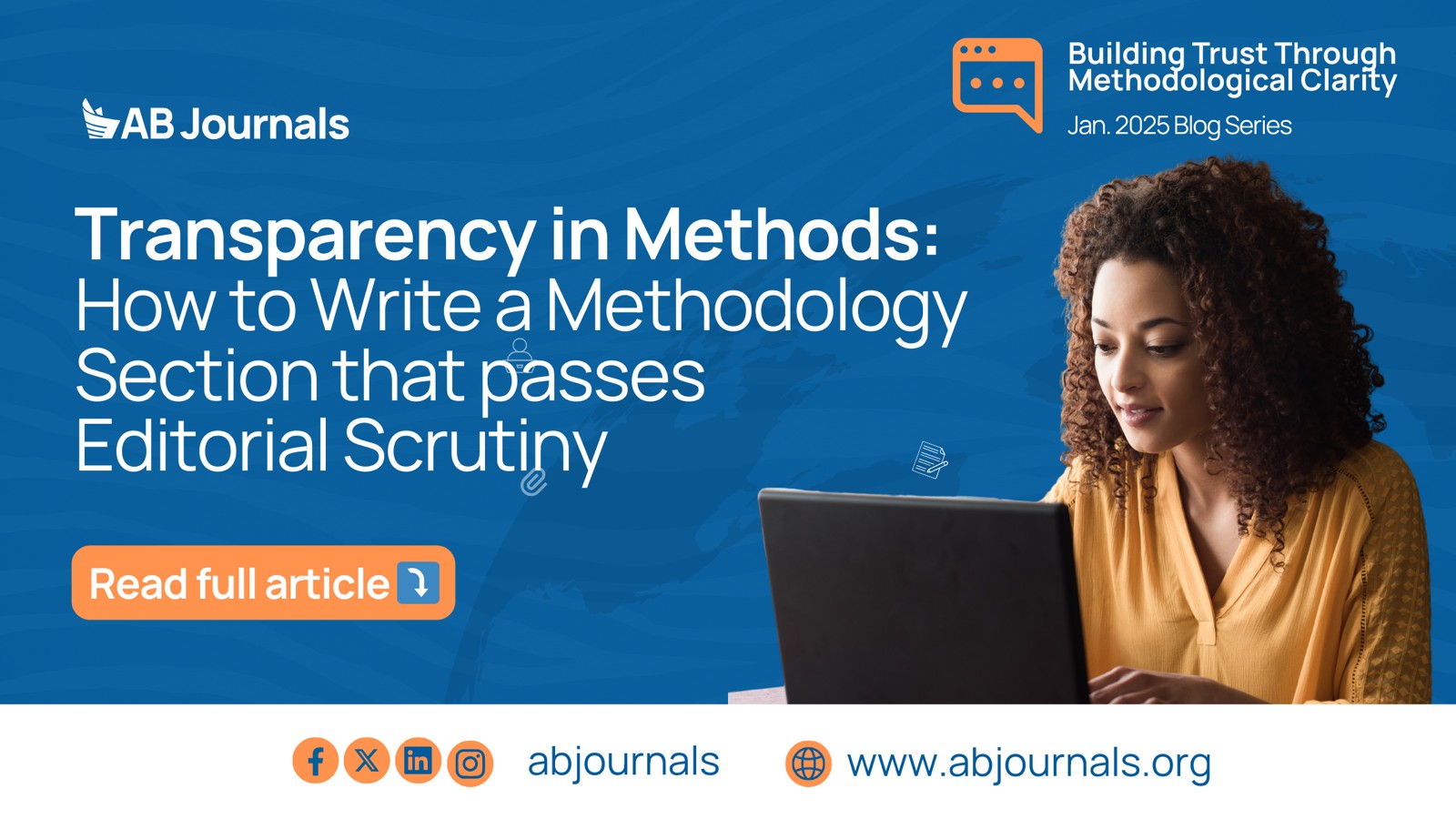
- Methodological Transparency: Ensuring that research methods are documented clearly enough to allow for replication.
- Journal Selection: Identifying predatory journals versus legitimate, high-impact outlets to ensure research reaches the appropriate audience.
Professional associations play a vital role in this ecosystem by providing the peer support necessary to bridge these gaps. By facilitating collaboration between senior researchers and junior faculty, organizations like APBISDI foster a culture of mentorship that extends beyond the classroom.
Why Academic Visibility Matters
The urgency for high-quality publication stems from the global trend toward “open science,” where research findings are expected to be accessible and easily discoverable. When Indonesian business administration research is published in reputable, indexed databases—such as Scopus or Web of Science—it increases the global footprint of Indonesian academic institutions. This visibility is not merely a matter of prestige; it attracts international collaboration and funding opportunities.
Furthermore, policy-oriented research in business administration can have direct impacts on local economic development. When faculty members publish work that addresses real-world administrative or managerial challenges, that research can eventually inform public policy or organizational best practices. As noted by the National Research and Innovation Agency (BRIN), the translation of academic research into policy-ready documents is a priority for the national research agenda.
Future Directions for Researchers
As the landscape of scholarly publishing evolves, the necessity for continuous professional development becomes clearer. Researchers are encouraged to monitor updates from their respective professional bodies regarding upcoming workshops and training schedules. These sessions often serve as the most effective route for faculty to stay informed about changes in journal submission policies, ethical standards in publishing, and the growing use of AI-assisted tools in research drafting.

Faculty members looking to improve their research impact should consult their institutional research offices for internal resources and upcoming training opportunities. For those participating in workshops like the one organized by APBISDI, the focus remains on long-term skill acquisition rather than immediate output. The goal is to build a sustainable pipeline of high-quality research that contributes to the broader field of business administration.
The next phase for participants usually involves the submission of manuscripts to targeted journals following the conclusion of the workshop. Readers interested in the progress of these academic initiatives can follow the latest announcements through institutional press releases or the official portals of the Indonesian Ministry of Education, Culture, Research, and Technology. We encourage readers to share their thoughts or experiences with academic publication training in the comments section below.
Keep reading