
nLighten has completed a £15 million refurbishment of its edge datacentre in Bristol, doubling its potential AI-ready power capacity to 1.2MW. The upgrade incorporates dry cooling technology and serves as a key component of the company’s broader £100 million modernization program across its UK operations.
The completion of the Bristol site refurbishment marks a significant shift in the facility’s capability to handle high-density computing tasks. By increasing the available power to 1.2MW, nLighten aims to meet the growing demand for localized, low-latency processing required by artificial intelligence (AI) applications and edge computing services.
This investment follows a strategic decision by the European datacentre operator to prioritize AI-ready infrastructure. The company has indicated that the Bristol project is part of a wider commitment to modernize its UK footprint, with total planned investments exceeding £100 million.
How does the Bristol upgrade support AI workloads?
The primary driver behind the £15 million Bristol refurbishment is the rising power density required by modern AI hardware. Traditional datacentre configurations often struggle to provide the concentrated power necessary for the GPU-intensive workloads that drive machine learning and large language models.
By doubling the potential power capacity to 1.2MW, the Bristol edge datacentre can now support more intensive server configurations. Edge datacentres are positioned geographically closer to end-users than massive “core” datacentre hubs. This proximity is critical for AI applications that require real-time data processing, such as autonomous systems, augmented reality, and industrial IoT (Internet of Things) analytics, where even millisecond delays in latency can impact performance.
The ability to provide 1.2MW of power at an edge location allows developers to deploy AI models closer to the source of data generation. This reduces the need to transmit massive datasets to centralized cloud providers, effectively lowering latency and optimizing bandwidth usage across the network.
Why is dry cooling being used in the Bristol facility?
A central element of the Bristol refurbishment is the implementation of dry cooling technology. As datacentres scale to meet AI demands, thermal management becomes a critical challenge. High-density AI chips generate significantly more heat than standard CPU-based servers, necessitating more robust cooling solutions.
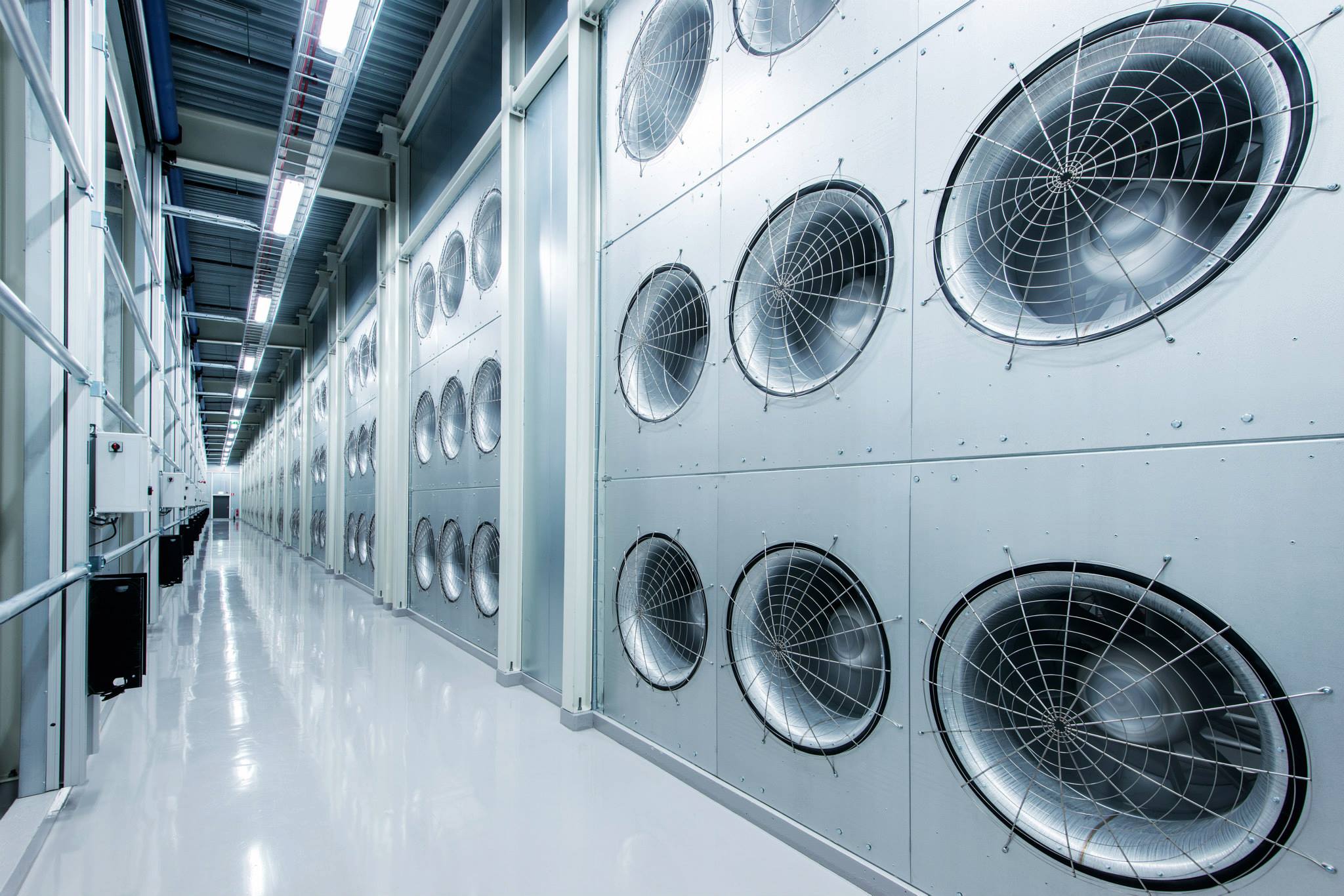
Dry cooling systems function by using ambient air to dissipate heat from the datacentre environment, typically through heat exchangers. Unlike traditional evaporative cooling, which relies on the consumption of large volumes of water to facilitate temperature reduction, dry cooling minimizes water usage. This makes the facility more sustainable and less reliant on local water infrastructure, a growing concern for datacentre operators globally.
The transition to dry cooling also impacts the facility’s Power Usage Effectiveness (PUE). While water-based cooling can sometimes offer lower PUE in specific climates, dry cooling provides a more predictable and environmentally stable method for managing the heat loads associated with the 1.2MW capacity upgrade. For edge sites like Bristol, where space and resource availability may be more constrained than in massive hyperscale campuses, dry cooling offers a scalable and sustainable thermal management strategy.
What is the scope of nLighten’s UK modernization program?
The Bristol project is not an isolated upgrade but a single milestone within a larger capital expenditure plan. nLighten has committed over £100 million to a modernization program aimed at upgrading its UK datacentre estate. This program focuses on transitioning existing infrastructure to meet the specific technical requirements of the AI era.
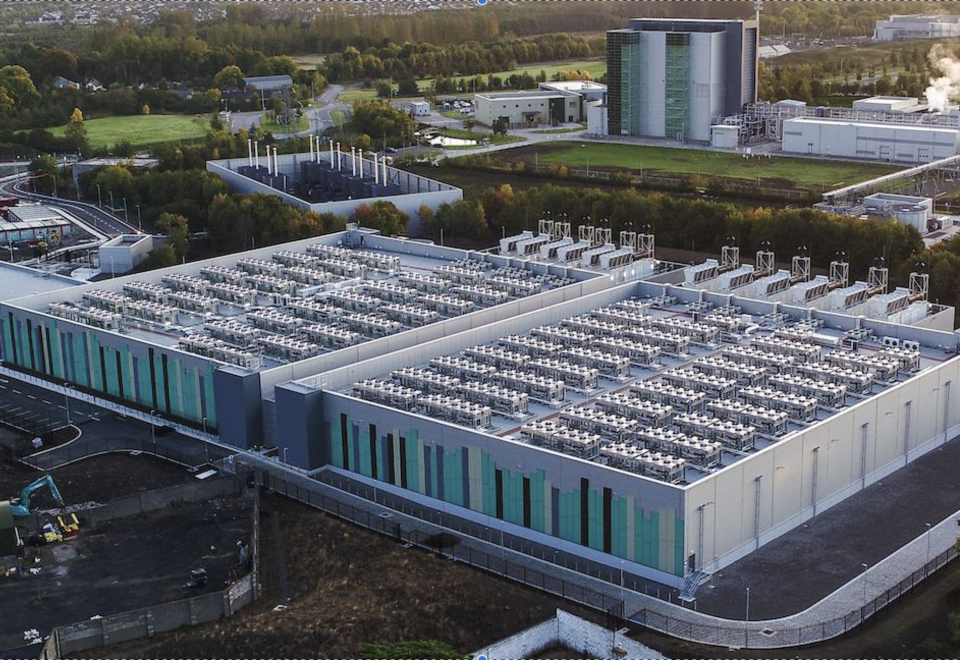
The broader strategy involves several key pillars:
- Power Density Upgrades: Increasing the kilowatt (kW) capacity per rack to accommodate high-performance computing (HPC) hardware.
- Sustainability Integration: Implementing advanced cooling technologies, such as the dry cooling used in Bristol, to reduce environmental impact.
- Edge Expansion: Strengthening the network of edge nodes to provide distributed computing power across the United Kingdom.
This £100 million investment suggests that nLighten is positioning itself to capture the “edge AI” market. As enterprises move away from purely centralized cloud models toward hybrid architectures that utilize edge computing, the demand for modernized, high-capacity local sites is expected to rise.
Comparison of Bristol Site Capabilities
| Feature | Pre-Refurbishment (Estimated) | Post-Refurbishment |
|---|---|---|
| Total Power Capacity | 600kW | 1.2MW |
| Primary Cooling Method | Standard Cooling | Dry Cooling |
| Primary Workload Focus | General Purpose Computing | AI-Ready / High-Density |
| Total Investment | N/A | £15 Million |
Note: Pre-refurbishment power is estimated based on the company’s statement that capacity has doubled to 1.2MW.

What happens next for nLighten’s infrastructure?
Following the completion of the Bristol refurbishment, the company is expected to continue its rollout of the £100 million modernization program across other UK sites. While specific locations for the next phase of upgrades have not been officially confirmed, the company’s focus remains on increasing power density and cooling efficiency to support AI-driven demand.
Industry analysts suggest that the success of the Bristol site will serve as a blueprint for how edge operators manage the tension between increased power requirements and sustainability mandates. The integration of dry cooling and high-capacity power at an edge location provides a scalable model for the next generation of distributed computing.
Further details regarding the specific timelines for the remaining portion of the £100 million investment are expected to be released in subsequent company financial updates or infrastructure announcements.
Do you think edge datacentres will become the primary driver for AI growth in the UK? Share your thoughts in the comments below and share this article with your network.
Related reading